Spider veins can show up in surprising places—including your legs and even your face. While they might look similar, the causes, treatments, and implications can vary quite a bit depending on their location.
Key Takeaways
Facial spider veins often result from sun damage or skin trauma.
Leg spider veins are usually linked to venous insufficiency.
Treatment varies depending on vein location, skin sensitivity, and underlying causes.
What Are Spider Veins?
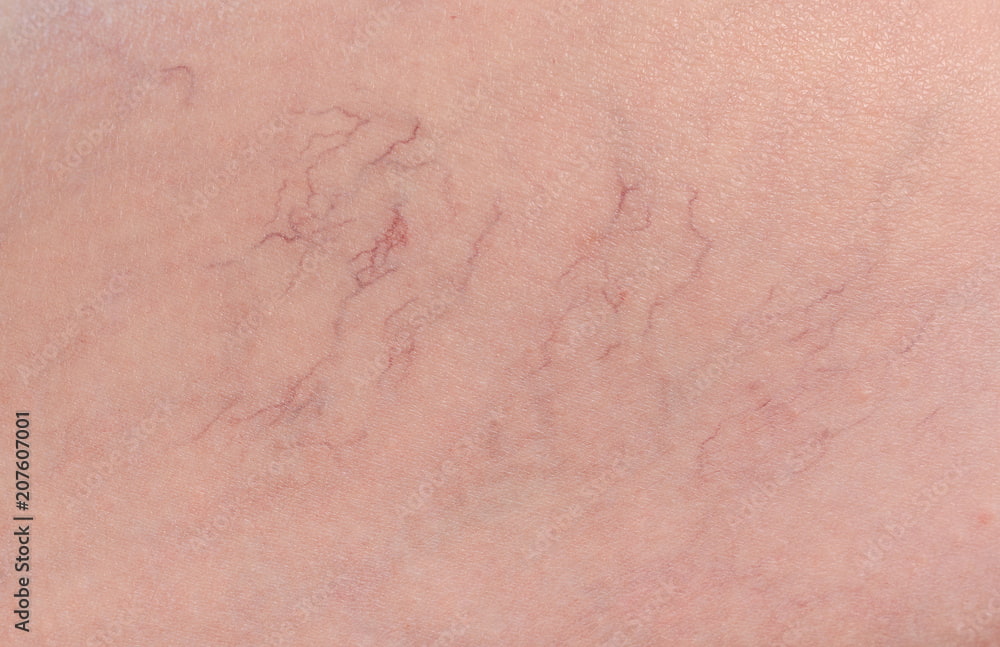
Spider veins are tiny, dilated blood vessels near the surface of the skin. They appear as red, blue, or purple webs or branches—hence the name “spider veins.” You can read more about what causes spider veins here.
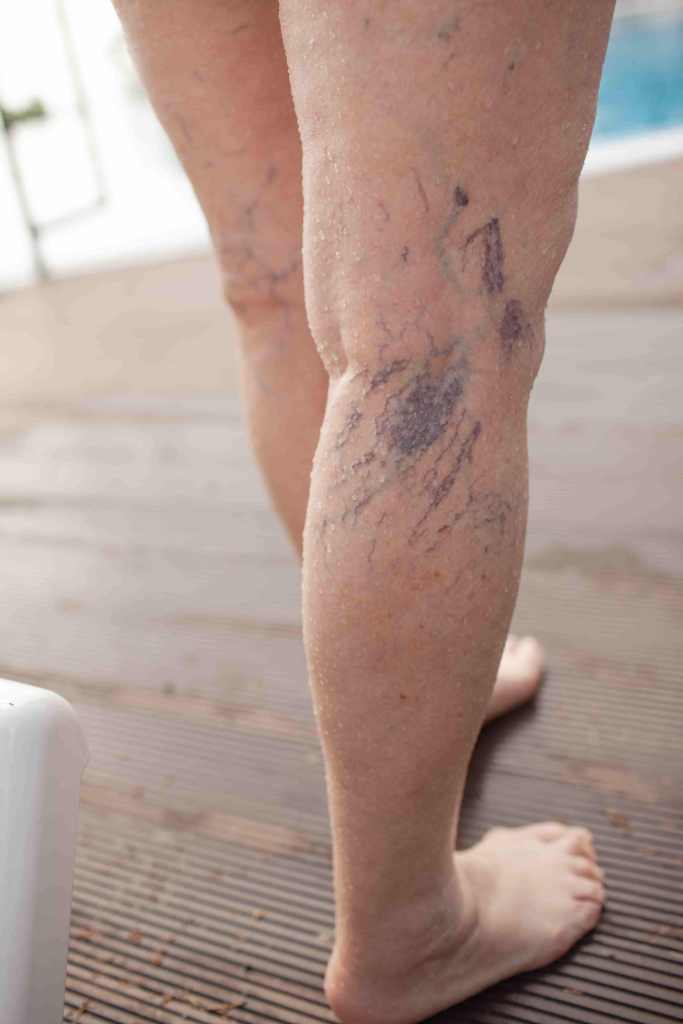
Leg Spider Veins
Spider Veins on the Face
Facial spider veins—commonly found on the cheeks, nose, or chin—are typically caused by:
Sun exposure
Injury or trauma
Frequent use of topical steroids
Genetics
They’re also known as telangiectasias and are usually a cosmetic issue, not a sign of deeper vein problems.
Spider Veins on the Legs
In contrast, leg spider veins often develop due to:
Venous insufficiency
Pregnancy
Prolonged standing
Hormonal changes
Obesity
These are often related to poor circulation and can sometimes indicate underlying varicose veins or chronic venous disease. Learn more about venous insufficiency here.
Treatment Options in Dubai
Facial spider veins are best treated with vascular lasers or Intense Pulsed Light (IPL).
Leg spider veins may require sclerotherapy, laser therapy, or compression stockings.
For sensitive facial areas, we use gentle laser settings with cooling technology to reduce discomfort.
For a personalised plan for sclerotherapy Dubai check Dubai Vein Specialist.
Can Spider Veins Be Prevented?
While some risk factors like genetics and aging are unavoidable, you can reduce the chance of spider veins by:
Wearing sun protection on your face
Avoiding prolonged standing
Using compression stockings for leg support
Managing rosacea or skin inflammation properly
When to Seek Medical Advice
If you notice spider veins suddenly appearing, especially on your legs, or if you have aching or heaviness or leg swelling, you might benefit from a vascular evaluation. Book vein assessment in Dubai here.
1. Are facial spider veins dangerous? No, spider veins on the face are typically harmless and mostly cosmetic. However, they may be linked to conditions like rosacea or chronic sun damage and can be treated with non-invasive laser options.
2. Can spider veins on the legs turn into varicose veins? Spider veins and varicose veins are related but not the same. Spider veins may be a sign of underlying venous insufficiency, which can lead to varicose veins over time if left untreated.
3. Is the treatment for spider veins on the face painful? Facial spider vein treatments, especially with modern vascular lasers, are usually well tolerated. Most patients describe it as a mild tingling or snapping sensation, and numbing options are available for added comfort.
Persistent leg swelling is a common complaint in adults, especially in warmer climates like Dubai. While it may be caused by a variety of conditions, one of the most frequent and often overlooked causes is chronic venous insufficiency (CVI). This condition develops when the veins in your legs struggle to return blood to the heart, causing fluid buildup and visible swelling.
Understanding the connection between venous insufficiency and leg swelling is crucial for both diagnosis and treatment. In this blog, we explore the symptoms, causes, and effective solutions available for patients with varicose vein in dubai.
Venous insufficiency occurs when the valves in your leg veins become weak or damaged. These valves are responsible for keeping blood moving toward the heart. When they fail, blood can pool in the legs, leading to pressure buildup, swelling, and a variety of uncomfortable symptoms.
This condition can lead to more serious complications if left untreated, such as skin discoloration, varicose veins Dubai, venous eczema, or even ulcers.
Common Symptoms of CVI
Swelling in one or both legs (especially around the ankles)
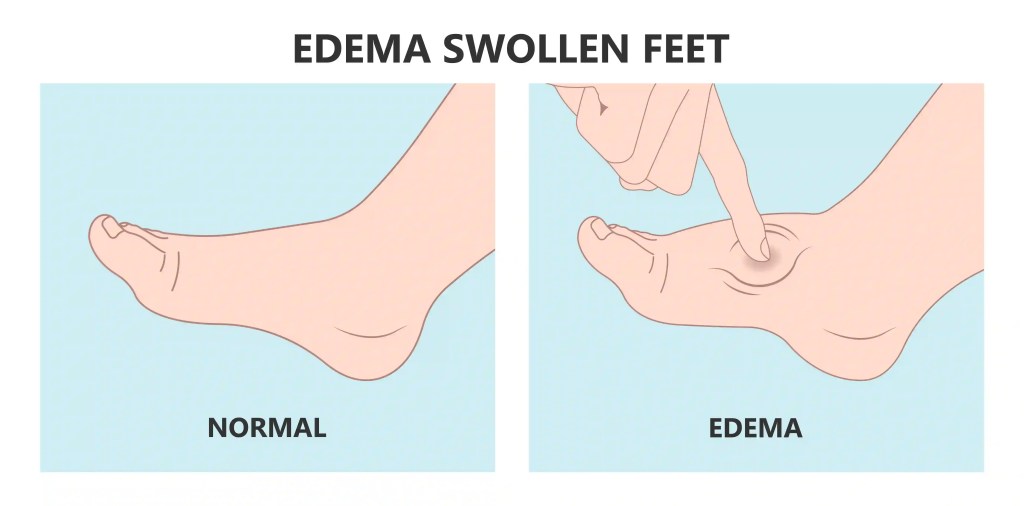
When blood collects in the veins, pressure builds up and pushes fluid into surrounding tissues. This results in pitting edema—a type of swelling where pressing the skin leaves an indentation. Over time, this can lead to discomfort, difficulty walking, and skin breakdown if not addressed.
Who Is at Risk?
Certain individuals are more likely to develop venous insufficiency and leg swelling, including:
People over age 50
Pregnant women
Individuals with a family history of vein problems
Those who sit or stand for extended periods
People with obesity or a sedentary lifestyle
Diagnosis and Evaluation
If you’re experiencing leg swelling in Dubai, a thorough clinical assessment is essential. Doppler ultrasound is the gold standard for evaluating vein function and diagnosing CVI.
Treatment Options in Dubai
At Dubai Vein Specialist, we offer a full range of varicose vein treatment Dubai for leg swelling caused by venous insufficiency:
To minimize your risk of venous insufficiency and reduce leg swelling:
Avoid standing or sitting too long
Elevate your legs during rest
Wear compression stockings if advised
Maintain a healthy weight
Stay active with walking or swimming
Frequently Asked Questions (FAQs)
Q1: Can venous insufficiency go away on its own? A: No, venous insufficiency typically worsens over time if left untreated. Early management through lifestyle changes and medical treatments can significantly reduce symptoms and prevent complications.
Q2: Is leg swelling always a sign of a vein problem? A: Not always. While venous insufficiency is a common cause, swelling can also result from lymphatic issues, heart conditions, kidney disease, or medications.
Q3: Do I need surgery for venous insufficiency? A: Not necessarily. Many patients respond well to non-surgical treatments like compression therapy. A vascular specialist will recommend the most suitable approach based on your condition.
When to See a Vascular Specialist
If leg swelling is persistent, painful, or accompanied by skin changes, it’s time to consult a vascular expert. Early intervention leads to better outcomes and prevents long-term complications.
Final Thoughts
Leg swelling shouldn’t be ignored, especially when linked to venous insufficiency. Fortunately, effective treatments and diagnostic tools are available in Dubai. With early assessment and the right care plan, you can regain comfort, improve circulation, and reduce your risk of serious vein-related issues.
Is Sclerotherapy Safe for Spider Vein Treatment in Dubai?
Sclerotherapy is widely used treatments for spider veins, especially in the legs and ankles. It involves injecting a specialized solution into small surface veins, causing them to collapse and eventually fade from view. But like any medical procedure, sclerotherapy can come with a few side effects. Most are mild and temporary, but understanding them can help you prepare—and feel confident—before treatment.
In this article, we’ll cover the common, uncommon, and rare side effects of sclerotherapy, so you can make an informed decision before your appointment in Dubai.
These are infrequent and might need medical attention or repeat procedures
Allergic reactions – Rare, but possible. In severe cases will need urgent medical attention
Matting – The appearance of very fine, red veins near the treated area
Ulceration – Skin breakdown or wound formation near injection site
What to Do if You Experience Side Effects
Always seek medical advice from your healthcare professional
Most side effects are self-limiting
Apply cold compresses and elevate legs
Wear compression stockings as instructed
Contact your specialist if you notice prolonged pain, swelling, or discoloration
Why Choose an Expert in Dubai for Sclerotherapy?
Dr. Soroush Sohrabi is a UK-trained vascular surgeon who specializes in minimally invasive vein procedures. At his Dubai vein clinic, patients receive:
Micro sclerotherapy is a highly targeted treatment for small spider veins (thread veins). Using ultra-fine needles, a specialist injects a sclerosing solution that causes the vein walls to collapse and seal. Blood is redirected to healthier veins, and the treated ones gradually fade away.
Micro sclerotherapy dubai is an ideal choice for patients who want to remove spider veins safely and comfortably. Whether for medical reassurance or cosmetic enhancement, it’s a proven method with lasting results.
Understanding the Key Differences in Symptoms, Risks, and Treatment Options
Spider veins and varicose veins are often mistaken for one another—they differ in size, symptoms, and health implications. If you’re noticing thin red veins or bulging blue ones on your legs, it’s important to understand which condition you may be dealing with.
In this blog, we’ll explore the difference between spider veins and varicose veins, what causes them, and what treatment options are available in Dubai.
Spider veins
What Are Spider Veins?
Spider veins, or telangiectasias, are small, thin blood vessels that appear close to the surface of the skin. They often look like red, blue, or purple lines or webs. Spider veins are typically painless and are mostly considered a cosmetic concern.
Common Locations:
Thighs
Calves
Ankles
Face
Typical Causes:
Genetics
Hormonal changes (pregnancy, birth control)
Prolonged standing or sitting
Sun exposure
Venous insufficiency
What Are Varicose Veins?
Varicose veins are larger, swollen, and twisted veins that often bulge above the skin surface. They are caused by damaged vein valves, which allow blood to pool and veins to stretch.
These veins can be painful and may indicate chronic venous insufficiency (CVI), a more serious condition requiring treatment.
Common Symptoms:
Aching or heaviness in the legs
Swelling in ankles or calves
Throbbing or cramping
Skin discoloration or eczema
Common Causes:
Genetics
Obesity
Pregnancy
Prolonged standing
Aging
👉 Explore varicose vein symptoms and causes
How Are They Different?
Feature
Spider Veins
Varicose Veins
Size
Small, thread-like
Bulging, rope-like
Color
Red, blue, or purple
Blue or dark purple
Location
Surface of skin (legs, face)
Legs, behind knees, thighs
Symptoms
Usually painless
May have pain, swelling, cramps, heaviness
Medical Concern
Mostly cosmetic
Often medical, linked to CVI
Should You Be Concerned?
While spider veins are generally harmless, varicose veins can lead to complications like:
Venous ulcers
Skin thickening or discoloration
Superficial thrombophlebitis
Early diagnosis with Doppler ultrasound is key to determining whether you have a cosmetic issue or there is venous insufficiency.
👉 Book your Doppler assessment
Treatment Options in Dubai
Whether you have spider veins or varicose veins, treatment options are available:
Spider Vein Treatments
Microsclerotherapy
Laser treatment
Varicose Vein Treatments
Endovenous Laser Ablation (EVLA)
Radiofrequency Ablation (RFA)
ClariVein® MOCA
Phlebectomy
Final Thoughts
Spider veins and varicose veins may appear similar at first glance, but they differ significantly in their impact on your health.
If you’re unsure which you have, or you’re experiencing symptoms like leg heaviness or pain, it’s time to consult a vascular expert.
📍 Contact Dr. Soroush Sohrabi, Consultant Vascular Surgeon at Dubai Vein Specialist, for a personalized assessment.
👉 Visit Dubai Vein Specialist to learn more and schedule your consultation today.
A Guide to Understanding and Treating Spider Veins in Dubai
If you’ve noticed thin red, blue, or purple lines spreading across your legs, you’re not alone. These small, visible veins, often resembling spider webs, are a common cosmetic and vascular concern—especially in a climate like Dubai’s, where heat and long hours on your feet can worsen circulation.
In this blog, we’ll explain what spider veins are, why they form, whether you should be concerned, and what treatment options are available right here in Dubai.
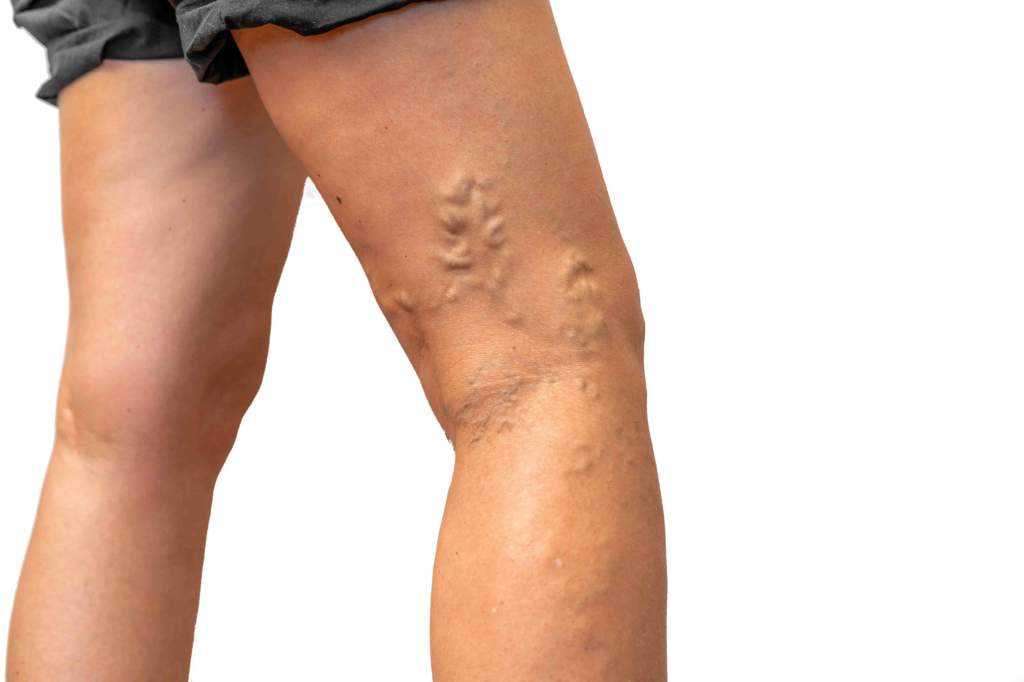
Leg Spider veins
What Are Spider Veins?
Spider veins (telangiectasias) are small, dilated blood vessels that appear close to the surface of the skin. Unlike varicose veins, they do not bulge, but they can still be a cosmetic concern.
Common signs include:
Red, purple, or blue lines that spread like branches
Most often appear on thighs, calves, ankles, or face
What Causes Spider Veins?
Spider veins could be as a result of chronic venous insufficiency or they can appear due to skin injury such as sun exposure or hormonal changes
In Dubai, sun exposure and prolonged standing—especially in certain professions—can contribute to the development or worsening of spider veins.
Are Spider Veins a Medical Concern?
In most cases, spider veins are not dangerous. They are usually cosmetic, but they can indicate early-stage chronic venous insufficiency or accompany deeper vein issues, They can also be accompanied by leg swelling if there venous insufficiency.
A vascular surgeon can use Doppler ultrasound to determine if deeper venous problems are present.
How Are Spider Veins Treated?
At Dubai Vein Specialist, we offer several modern treatments:
All treatments are minimally invasive and performed on an outpatient basis.
Can Spider Veins Be Prevented?
While not all spider veins can be prevented, you can reduce your risk by:
Moving regularly and avoiding long periods of standing or sitting
Wearing compression stockings during the day
Elevating your legs when resting
Maintaining a healthy weight and staying hydrated
Avoid prolong sun exposure
These simple habits can make a big difference, especially in Dubai’s high-temperature environment.
When to See a Specialist
If your spider veins are spreading, causing discomfort, or affecting your confidence, it’s time to consult a vein expert.
📍 Book a consultation with Dr. Soroush Sohrabi, Consultant Vascular Surgeon at Dubai Vein Specialist, and learn more about safe and effective treatment options tailored to your condition.
Final Thoughts
Spider veins are common and often harmless, but they can be a sign that your circulation needs attention. Whether you want clearer legs or peace of mind, professional evaluation and treatment can make a real difference.
👉 Learn more about spider veins from the Cleveland Clinic 👉 Visit dubaiveinspecialist.com to take the first step toward healthier-looking legs today.
Understanding Symptoms, Diagnosis, and Advanced Vascular Treatments in the UAE
Intermittent claudication is one of the earliest and most important warning signs of Peripheral Artery Disease (PAD)—a condition that affects thousands of people in the UAE, especially those over 50 or with cardiovascular risk factors. The condition causes leg pain during walking or physical activity due to reduced blood flow. Left untreated, it can progress and affect your mobility, independence, and overall cardiovascular health.
At vascular-surgeon.ae, we specialize in the diagnosis and minimally invasive treatment of intermittent claudication and arterial disease in Dubai and across the UAE, offering personalized care and the latest technology.
pain in calf during walking could be a sign of intermittent claudication
What Is Intermittent Claudication?
Intermittent claudication is caused by atherosclerosis—the buildup of plaque in the arteries supplying blood to your legs. As these arteries narrow, muscles receive less oxygen during physical activity, leading to a cramping or aching pain that improves with rest.
This discomfort usually starts in the calves but can also affect the thighs or buttocks depending on the artery involved. It is often one of the first signs of a circulatory problem that requires vascular assessment.
According to the Mayo Clinic, intermittent claudication is a common symptom of PAD, and early diagnosis can prevent serious complications.
Symptoms of Intermittent Claudication
Leg cramps, heaviness, or burning pain when walking
Pain that disappears at rest
Weak pulses in the lower limbs
If you live in the UAE and experience any of these symptoms, particularly during warm weather walking or long periods of activity, a vascular screening is recommended.
Who’s at Risk in the UAE?
The following individuals are at increased risk of intermittent claudication and PAD, especially in the UAE’s urban and high-risk population:
People over age 50
Smokers or former smokers
Those with diabetes, high blood pressure, or high cholesterol
People with sedentary lifestyles
Patients with a family history of vascular disease
Given the high prevalence of diabetes and heart disease in the UAE, intermittent claudication is a symptom that should never be ignored.
Diagnosing Claudication in Dubai
At our vascular clinic in Dubai, we use modern, non-invasive diagnostics to assess blood flow:
Doppler ultrasound
Ankle-brachial index (ABI)
CT angiography or MR angiography
These tools help pinpoint arterial blockages and guide treatment planning for patients across the UAE.
Vascular Treatments for Intermittent Claudication in Dubai
We offer internationally recognized treatments adapted to the needs of patients living in Dubai and the UAE.
Lifestyle Changes
Quitting smoking
Supervised walking programs
Managing cholesterol, blood pressure, and diabetes
Weight control and healthy diet (adapted for UAE lifestyle)
Supervised or unsupervised exercise programs
Angioplasty
Angioplasty is a minimally invasive treatment that uses a balloon catheter to reopen narrowed leg arteries. It is performed at our Dubai facility under local anesthesia and offers same-day discharge in most cases.
Arterial Stenting
When the artery requires long-term structural support, we insert an arterial stent—a small metal mesh tube that holds the artery open. This is a common step in treating UAE-based patients with moderate to severe narrowing.
Arterial Lithotripsy
Arterial lithotripsy is ideal for patients in the UAE who have calcified or hardened arteries. It uses sound wave energy to break apart calcium, allowing safer and more effective ballooning and stenting.
Surgical Bypass
In advanced cases, especially with multiple or long-segment blockages, we may perform bypass surgery using your own vein or a synthetic graft. This is done in select patients across Dubai and the UAE after thorough assessment.
Why Choose vascular-surgeon.ae?
Dr. Soroush Sohrabi is a UK-certified vascular and endovascular surgeon with decades of experience treating patients in Dubai and abroad. He provides world-class vascular diagnostics and interventions, including:
Full Doppler assessments
Balloon angioplasty, stenting, and lithotripsy
Non-surgical and surgical limb salvage
Personalized treatment plans adapted to your lifestyle in the UAE
Book a Vascular Consultation in Dubai
If you live in the UAE and experience leg pain when walking, don’t ignore it. Intermittent claudication is a sign of a deeper vascular problem. Get the answers and treatment you need from one of Dubai’s leading vascular specialists.
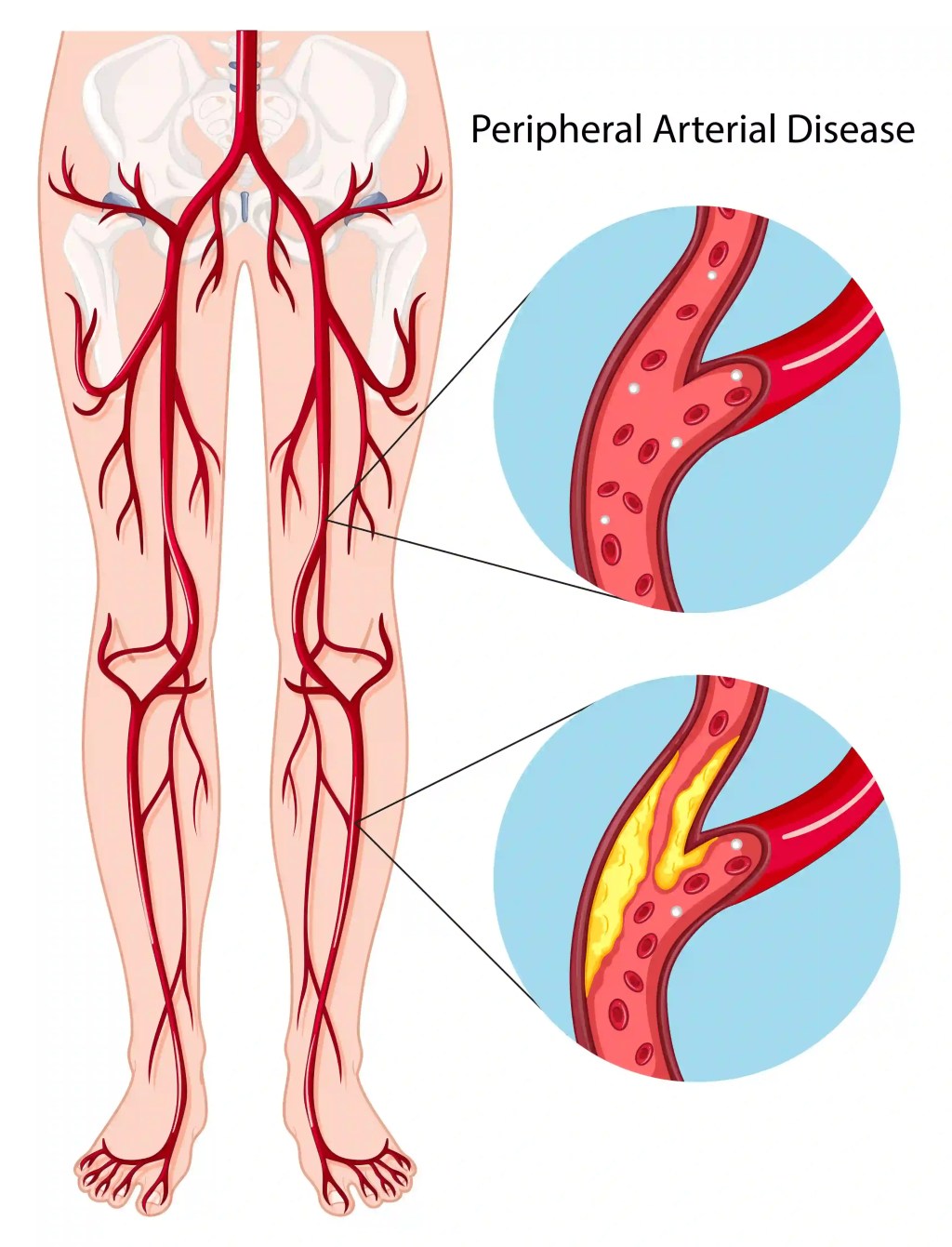
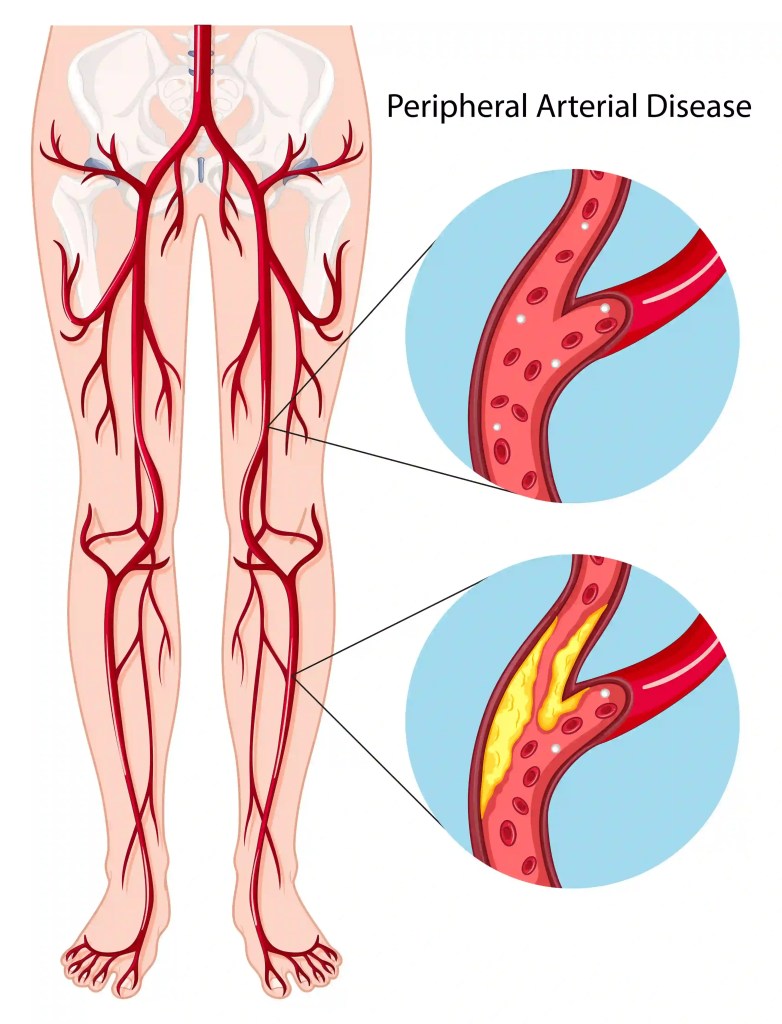
Peripheral Arterial Disease (PAD) is a circulatory condition that occurs when arteries become narrowed or blocked due to plaque buildup, restricting blood flow to the limbs. Understanding the risk factors that contribute to PAD is critical for prevention, early diagnosis, and effective treatment.
In the UAE, lifestyle-related health conditions such as diabetes, high cholesterol, and hypertension are prevalent, contributing to increased awareness and diagnoses of PAD.
Peripheral artery disease
Why Risk Factors Matter
Risk factors don’t just raise your chances of developing PAD—they can influence how quickly the condition progresses and how severe the symptoms become. Identifying and addressing these factors early can delay onset, reduce complications, and improve overall vascular health.
Major Risk Factors for PAD
Below are the most significant contributors to PAD, many of which are common and preventable:
Diabetes: Chronic high blood sugar can damage blood vessels and impair circulation.
Smoking: Tobacco use accelerates arterial damage and increases the likelihood of blood clots.
High Blood Pressure (Hypertension): Over time, increased pressure weakens arterial walls.
High Cholesterol: Excess cholesterol leads to plaque buildup inside arteries.
Obesity: Excess weight contributes to hypertension, diabetes, and sedentary habits.
Age Over 50: Risk increases with age, particularly when combined with other conditions.
Family History of Vascular Disease: A genetic predisposition can raise your risk.
Diagnosing PAD in At-Risk Individuals
Early detection in high-risk individuals is key. Doppler ultrasound, and ankle-brachial index (ABI) test are very useful as initial tests to determine the presence of PAD.
Reducing Your Risk: Lifestyle Modifications That Work
Making the following changes can significantly reduce your PAD risk:
Stop smoking completely
Manage diabetes through diet, exercise, and medication
Keep cholesterol and blood pressure under control
Eat a balanced, heart-healthy diet
Incorporate regular walking or low-impact aerobic activity
When to See a Specialist
If you fall into one or more of the high-risk categories listed above, it’s important to consult a vascular specialist even if symptoms are mild or absent. Early PAD can be silent but may progress to serious complications like ulcers, gangrene, or limb loss.
What to do if you are in the UAE / Dubai
Risk factor management and early intervention are central to PAD care. In Dubai, consultants such as Dr. Soroush Sohrabi, a UK-trained vascular surgeon, provides tailored assessments and minimally invasive treatments for patients at risk. His approach is rooted in evidence-based care, international fellowship training, and patient education.
Book a Vascular Risk Assessment
If you are concerned about your risk for PAD, early evaluation can make all the difference. Visit www.vascular-surgeon.ae to book a consultation with Dr. Soroush Sohrabi.
FAQs
Q: I have diabetes—should I be screened for PAD? A: Yes. Diabetics are at significantly higher risk and should undergo regular vascular assessments.
Q: Does quitting smoking reduce my risk even if I smoked for years? A: Absolutely. Quitting at any stage slows arterial damage and improves circulation.
Q: Can PAD be prevented entirely? A: While not all cases can be prevented, managing risk factors can delay onset and reduce severity.
Q: Are PAD risk factors the same as heart disease risk factors? A: Many are shared, including smoking, hypertension, and high cholesterol. PAD often coexists with coronary artery disease.
Peripheral Arterial Disease (PAD) in the UAE: What You Need to Know
Peripheral Arterial Disease (PAD) is a circulatory condition that affects blood flow to the limbs, most commonly the legs. It occurs when arteries become narrowed or blocked due to plaque buildup, reducing oxygen-rich blood supply. While often overlooked, PAD can lead to serious complications if not diagnosed and treated early. In the UAE, the prevalence of risk factors such as diabetes, smoking, and sedentary habits has contributed to an increased awareness and diagnosis of Peripheral Arterial Disease (PAD) as a growing vascular concern
Peripheral Artery Disease
Early Signs and Symptoms
PAD can develop gradually and may go unnoticed in its early stages. Common symptoms include:
Leg pain or cramping during walking (claudication)
Numbness or weakness in the legs
Coldness in the lower leg or foot
Slow-healing sores on the toes, feet, or legs
Changes in skin colour or loss of hair on the legs
These symptoms are often dismissed as signs of aging or fatigue, but they may indicate serious arterial narrowing. If you experience any of these signs, early vascular evaluation is essential.
Risk Factors for PAD
The following conditions significantly increase the risk of developing PAD:
Diabetes
Smoking
High blood pressure
High cholesterol
Obesity
Age over 50
Family history of vascular disease
PAD is more common in individuals with multiple cardiovascular risk factors. In particular, diabetic patients in the UAE are at elevated risk due to the impact of high blood sugar on arterial walls.
Understanding the Progression of PAD
Without timely intervention, PAD can progress from mild symptoms to critical limb ischemia—a condition in which blood flow to the extremities becomes severely compromised. This may lead to non-healing wounds, infections, tissue loss, and eventually amputation. Early diagnosis and treatment are essential to prevent these outcomes and preserve limb function.
Diagnosis and Assessment
Early detection of PAD is crucial. Diagnosis typically involves a combination of physical examination and diagnostic imaging. A Doppler ultrasound is often used to assess blood flow and identify arterial blockages. In some cases, an ankle-brachial index (ABI) test or CT angiography may be required.
Treatment for PAD depends on the severity of the condition. Options include:
Lifestyle changes: Quitting smoking, adopting a balanced diet, managing blood sugar and cholesterol levels, and engaging in a regular walking program can significantly improve symptoms and slow disease progression.
Medication: Antiplatelet drugs (e.g., aspirin or clopidogrel) may be prescribed to reduce the risk of clot formation. Cholesterol-lowering drugs (statins), antihypertensives, and medications to improve walking distance (cilostazol) are also common.
Minimally invasive procedures: In cases where blood flow is severely restricted, image-guided procedures such as angioplasty (using a balloon to open the artery) or stenting (placing a mesh tube to keep the artery open) are effective.
Surgical intervention: In advanced cases, bypass surgery may be required to reroute blood flow around the blocked arteries.
Dr. Soroush Sohrabi, a UK-trained consultant vascular surgeon in Dubai, offers a comprehensive range of PAD treatments tailored to each patient’s needs. His expertise in minimally invasive techniques ensures better outcomes with shorter recovery times, allowing patients to return to daily life quickly and safely.
“One of my patients, a 62-year-old man with longstanding diabetes and smoking history, presented with calf pain, non-healing foot ulcers, and visible skin changes. A Doppler assessment revealed multiple areas of arterial narrowing. The patient underwent angioplasty with stenting, followed by a supervised walking program. Within three weeks, his ulcers healed significantly, and he was able to walk longer distances without pain.”
Preventing PAD: What You Can Do
Prevention is crucial, especially for individuals with risk factors. Here are some steps to lower your risk:
Stop smoking immediately
Maintain a healthy weight and BMI
Monitor and control blood sugar if diabetic
Manage blood pressure and cholesterol through medication and diet
Exercise regularly, especially walking
Avoid prolonged periods of sitting or inactivity
These changes not only reduce the risk of PAD but also improve heart health and overall circulation.
PAD treatment in Dubai
Peripheral Arterial Disease (PAD) requires careful evaluation and management by a qualified vascular specialist. In Dubai, consultants such as Dr. Soroush Sohrabi—trained in the UK, Australia, and the US—offer evidence-based care supported by modern diagnostic and minimally invasive treatment options.
Book a Consultation
If you or a loved one are experiencing symptoms of PAD, don’t delay treatment. Early diagnosis can prevent complications and preserve quality of life. Visit www.vascular-surgeon.ae to book your consultation with Dr. Soroush Sohrabi.
FAQs
Q: Is PAD the same as poor circulation? A: PAD is a form of poor circulation, specifically due to narrowed arteries restricting blood flow to the limbs.
Q: Can PAD be cured? A: While PAD can’t be cured, it can be effectively managed through lifestyle changes, medication, and interventions.
Q: Is PAD a serious condition? A: Yes. If untreated, it can lead to limb ischemia, ulcers, gangrene, or even amputation.
Q: Does PAD only affect older adults? A: While PAD is more common in those over 50, younger individuals with diabetes, high cholesterol, or a smoking history are also at risk.
Q: When should I see a vascular surgeon for PAD? A: If you experience leg pain while walking, skin discoloration, cold limbs, or non-healing wounds, it’s important to consult a vascular specialist as soon as possible.
A Non-Invasive, Proven Support for Healthier Veins
When it comes to treating varicose veins, not every solution has to involve surgery or lasers. For many patients in Dubai, compression therapy offers a gentle, effective way to relieve symptoms, improve circulation, and prevent vein conditions from progressing.
Whether you’re in the early stages of varicose veins or recovering from a minimally invasive procedure, compression stockings can play a major role in supporting long-term vein health and improve your symptoms if you are planning for varicose vein treatment Dubai.
It is important to to remember that compression therapy and compression socks “do not” cure varicose veins but they can help with symptomatic relief.
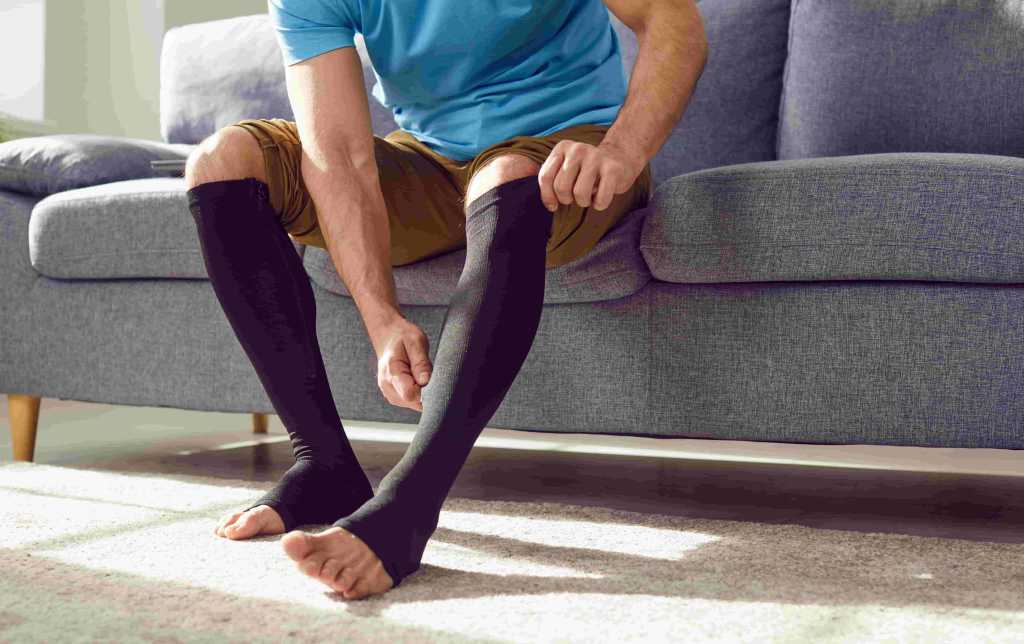
Compression socks
What Are Varicose Veins?
Varicose veins are enlarged, twisted veins that usually appear in the legs and feet. They’re caused by faulty one-way valves inside your veins that allow blood to flow backward and pool. Over time, this leads to visible bulging veins, aching, heaviness, and swelling.
Some patients may also have
Skin changes (eczema, pigmentation)
Leg ulcers
Thrombophlebitis (vein inflammation)
Symptoms
Some of the most common symptoms of varicose veins include:
Heaviness or aching in the legs
Leg cramps, especially at night
Swelling around the ankles or calves
Visible bulging or twisted veins
Itching, dryness, or eczema on the legs
Tiredness or discomfort after standing
If you’re experiencing any of these signs, it’s time to seek advice from a vein specialist.
What Is Compression Therapy?
Compression therapy is a non-invasive treatment that involves wearing medical-grade compression stockings or bandages. These garments apply controlled pressure to your legs, helping your veins push blood back toward your heart more efficiently.
Unlike over-the-counter socks, medical compression stockings are specially designed to deliver graduated pressure—strongest at the ankle and gradually decreasing up the leg.
How Does Compression Therapy Work?
Compression therapy helps restore normal blood flow and prevents fluid buildup in the legs. Here’s what it does:
Improves circulation: Assists weakened veins in returning blood to the heart
Reduces swelling (edema): Reduces fluid buildup in tissues
Prevents vein distention: Limits further damage to veins and valves
Relieves discomfort: Reduces heaviness, tiredness, and leg cramps
Supports healing: Enhances recovery after procedures like sclerotherapy or laser ablation
When Is Compression Therapy Recommended?
Compression therapy is commonly used in a range of vascular conditions, including:
Varicose veins – Helps reduce swelling and improve comfort
Chronic venous insufficiency (CVI) – Prevents progression of vein disease
Post-treatment recovery – Used after procedures like EVLA, RFA, or ClariVein®
Leg ulcers and venous wounds – Supports wound healing
Deep vein thrombosis (DVT) – Lowers risk of clot formation during travel or immobility
Important Safety Considerations
Compression therapy is safe for most patients but must be prescribed after proper vascular assessment. It is not suitable for people with:
Peripheral arterial disease (PAD)
Skin infections or open wounds (without medical supervision)
Before recommending compression stockings, Dr. Soroush Sohrabi performs a comprehensive Doppler ultrasound to evaluate both venous and arterial circulation.
Types of Compression Stockings
There are different types and compression levels, depending on your vein condition and treatment plan:
Class I (15–20 mmHg): Mild symptoms and early-stage varicose veins
Class II (20–30 mmHg): Moderate symptoms, swelling, and venous reflux
Class III (30–40 mmHg): More advanced cases or after ulcer healing
Custom-fit garments: For unique leg shapes or lymphedema cases
At Dubai Vein Specialist, we help you choose the right class, size, and brand based on your individual needs and comfort.
Compression After Procedures – Why It Matters
Compression therapy isn’t just for managing varicose veins treatment Dubai— it also plays a role in recovery after procedures such as:
Wearing time depends on your treatment plan and condition severity:
For symptom relief: 6–8 hours per day during daily activities
After treatment: Daily wear for 1–2 weeks as prescribed
For travel/DVT prevention: During long flights or extended sitting
Dr. Soroush Sohrabi will guide you on duration and daily routines to get the most benefit from your compression therapy.
Frequently Asked Questions
Q: Are compression stockings painful to wear? A: No. While they may feel snug at first, properly fitted compression stockings should never be painful.
Q: Can I buy compression socks from a pharmacy? A: Yes but for medical-grade results, it’s best to use physician-recommended products, fitted to your measurements and condition.
Q: Are compression garments safe during pregnancy? A: Yes. In fact, they’re often prescribed to manage varicose veins during pregnancy. Always consult your doctor before use.
Why Choose Dr. Soroush Sohrabi in Dubai?
At Dubai Vein Specialist, Dr. Soroush Sohrabi brings UK-accredited training, decades of vascular expertise, and the latest diagnostic tools to every patient. He is widely regarded as one of Dubai’s most trusted vein specialists, offering non-surgical options like compression therapy alongside advanced interventions.
Your care begins with a detailed Doppler ultrasound, and every recommendation—from stockings to surgery—is tailored to your anatomy, goals, and lifestyle.
Final Thoughts
Compression therapy is a proven and powerful tool in managing varicose veins. Whether used on its own or as part of a broader treatment plan, it improves blood flow, reduces discomfort, and helps prevent complications. With the guidance of an expert, it’s a safe and simple way to stay active and protect your legs.





You must be logged in to post a comment.