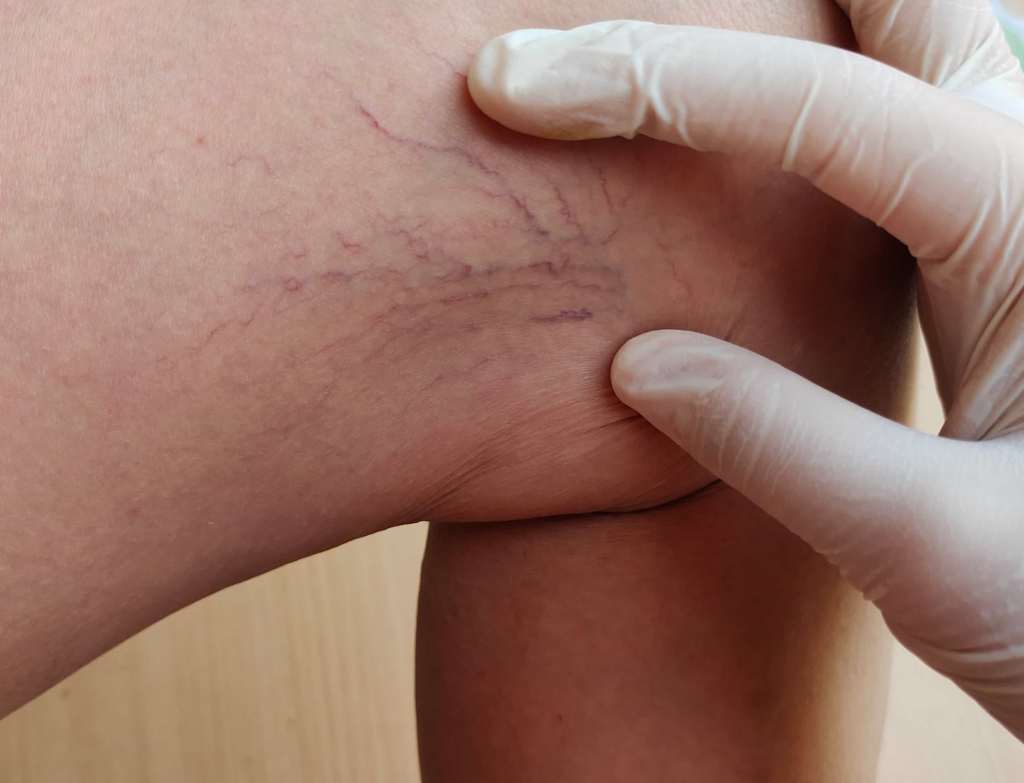
Tag: spider veins

  • What Blue Veins Around Your Ankles Could Mean, Spider vein Dubai explains

    When you notice small, bluish veins or red spots spreading around your ankles, you might not think much of it at first.
    When you notice tiny bluish veins or red dots forming around your ankles, it might seem like a minor cosmetic issue. But in reality, this subtle skin change could be your body’s early signal of a deeper venous (related to veins) problem. These clusters of small veins are known as Corona Phlebectatica, and they often point to underlying chronic venous insufficiency (CVI)—a common cause of varicose veins and spider veins.

    If you’re living in Dubai and have seen these changes around your ankles, now is the time to take action. Left untreated, this condition can progress into more serious complications. In this blog, we’ll explain what corona phlebectatica is, what causes it, and the latest options for varicose vein treatment in Dubai and spider vein treatment in Dubai.
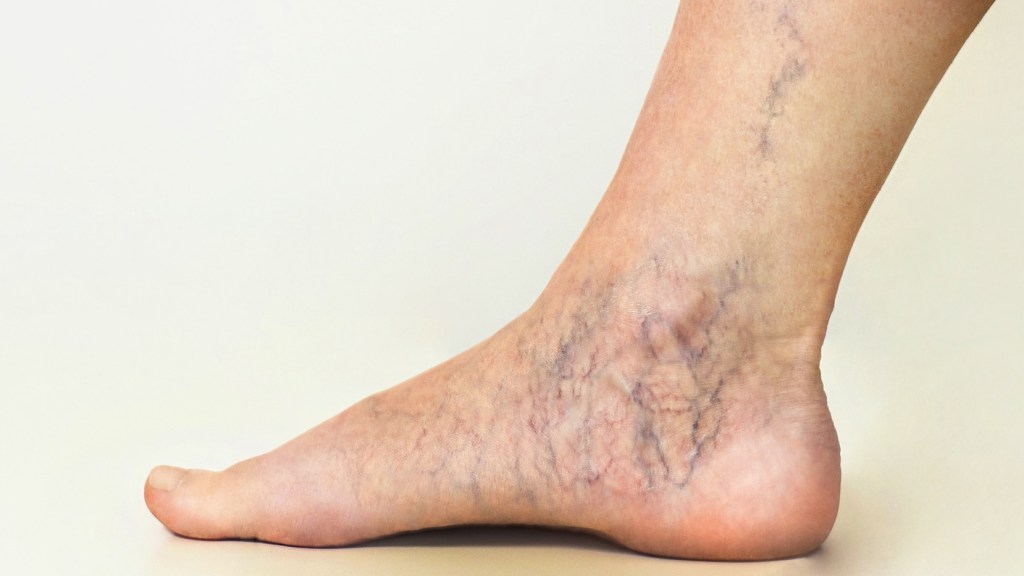
    Ankle veins or Chorona phlebectatica

    What Is Corona Phlebectatica?

    Corona phlebectatica is a medical term that refers to the appearance of dilated, visible veins around the ankle area. It’s often a telltale sign of early venous disease. These small veins tend to appear as:

    • Blue or purple spider-like veins
    • Red spots or blotchy skin patches
    • Tiny broken blood vessels (telangiectasias)
    • A fan-shaped network of veins on the inner ankle

    Although corona phlebectatica may not cause pain initially, it is typically one of the first visible markers of chronic venous insufficiency (CVI), a condition where blood flow in the veins is impaired, causing pressure to build and veins to stretch or weaken.


    Why You Shouldn’t Ignore It

    Think of corona phlebectatica as your skin’s early warning system. Whilst for many this is a cosmetic concern, it could be accompanied by other symptoms of CVI such as

    • Persistent leg swelling
    • Prominent varicose veins
    • Worsening spider veins
    • Skin changes like darkening or hardening
    • Itching or burning sensations
    • Venous leg ulcers

    In Dubai’s hot climate, many residents tend to wear open footwear, and the veins around the ankles become even more noticeable. Although Many residents seek treatment for cosmetic reasons, a growing number of people would like to have relief for accompanying symptoms.


    What Causes Corona Phlebectatica?

    Corona phlebectatica is typically caused by increased venous pressure in the legs, a hallmark of chronic venous insufficiency (CVI). In this condition, the valves in your veins that keep blood moving toward the heart become weak or damaged. As a result, blood begins to pool in the lower limbs, leading to:

    • Dilated superficial veins
    • Increased capillary pressure
    • Telangiectasia formation
    • Skin and tissue damage over time

    This is particularly common in individuals who stand or sit for long periods—like office workers, flight attendants, and hospitality staff in Dubai. Other contributing factors include:

    • Genetics
    • Pregnancy
    • Obesity
    • Lack of regular exercise
    • Hormonal changes
    • Prior episodes of deep vein thrombosis (DVT)

    How Is It Diagnosed?

    While corona phlebectatica can be identified through a simple visual examination, a deeper diagnosis is required to evaluate your venous system. That’s where a Doppler ultrasound comes in.

    This non-invasive imaging test helps vascular specialists assess:

    • Valve function in deep and superficial veins
    • Presence of venous reflux (backward blood flow)
    • Location of blood pooling or clot formation

    💡 If you’re in the UAE, getting a Doppler ultrasound in Dubai is quick, painless, and provides crucial information for creating an effective treatment plan.


    Varicose Vein and Spider Vein Treatment Options in Dubai

    Once corona phlebectatica is confirmed, the main goal is to treat the underlying venous insufficiency. In Dubai, residents now have access to some of the world’s most advanced vein care options, including minimally invasive procedures for spider vein treatment Dubai.

    1. Lifestyle Changes

    • Elevate your legs regularly
    • Stay active with walking or light exercise
    • Maintain a healthy weight
    • Avoid standing or sitting for long hours

    2. Compression Therapy

    Wearing graduated compression stockings is often the first line of treatment. These stockings help improve circulation, reduce swelling, and support vein function.

    👉 Learn more about compression therapy for varicose veins in Dubai

    3. Endovenous Treatments

    Modern vein clinics in Dubai now offer endovenous thermal ablation techniques, including:

    • Laser Treatment (EVLA) – Uses heat energy to seal off faulty veins
    • Radiofrequency Ablation (RFA) – Uses radio waves to collapse the damaged vein

    These procedures are performed under local anesthesia, with minimal discomfort and no hospital stay required.

    4. Non-Thermal Treatments

    If you prefer a non-thermal, non-tumescent option, ClariVein® (MOCA) is an excellent alternative. It combines mechanical agitation and chemical ablation to close the vein without using heat. Venaseal® or medical glue is also popular non-thermal treatment in Dubai.

    👉 Explore ClariVein® treatment in Dubai

    5. Spider Vein Treatment Options

    When spider veins are more prominent, especially around the ankle, specialized treatments may include:

    • Sclerotherapy – A solution is injected into the vein to collapse it
    • Skin laser therapy – Effective for superficial spider veins and red spots

    👉 Discover spider vein treatment options in Dubai


    When Should You See a Vascular Specialist?

    If you notice any of the following, it’s time to consult a vein specialist in Dubai:

    • Spider veins forming a fan-like pattern around your ankle
    • Aching, heaviness, or fatigue in your legs
    • Swelling that worsens at the end of the day
    • Discoloration, itching, or skin texture changes
    • A family history of vein problems or leg ulcers

    A vascular expert will not only diagnose the stage of your vein disease but also customize a treatment plan suited to your condition and lifestyle.


    Why Choose Treatment in Dubai?

    Dubai is quickly becoming a global hub for advanced vein treatments thanks to:

    • DHA-certified vascular surgeons
    • Access to state-of-the-art Doppler equipment
    • Minimally invasive, walk-in-walk-out procedures
    • Multilingual care teams
    • Comfortable recovery facilities

    Whether you are a resident or a medical tourist, Dubai offers world-class care with no waiting list.


    FAQs About Corona Phlebectatica and Vein Treatment

    ❓ Is corona phlebectatica dangerous?

    Not immediately—but it often indicates underlying chronic venous insufficiency, which can worsen if left untreated.

    ❓ Can it go away on its own?

    Unfortunately, no. These veins won’t disappear without medical intervention. Early compression therapy or vein laser treatments can stop progression.

    ❓ Are treatments painful?

    Most patients tolerate procedures like sclerotherapy, laser ablation, and ClariVein® very well. These are minimally invasive, performed under local anesthesia, and allow you to walk right after.

    Please visit Dubaiveincare.com for in depth answers to the most common questions regarding vein issues.


    Final Thoughts

    Corona phlebectatica is not just a skin issue—it’ could be an early signal for chronic venous insufficiency. Fortunately, with early diagnosis and modern treatments available in Dubai, you can address the issue before it becomes severe.

    Whether you’re seeking varicose vein treatment in Dubai or looking for the best spider vein treatment in Dubai, a consultation with a vascular specialist is the first step toward healthier legs and a better quality of life.


    📍 Book a Consultation Today

    Visit Dubai Vein Specialist to schedule a personalized vein assessment with a board-certified vascular surgeon.


    🔗 Recommended Reading:

    ClariVein®: A Gentle, Modern Option for Varicose Vein Treatment

    What Are Spider Veins and Should You Be Concerned?

    Compression Therapy for Varicose Veins: Does It Really Work?
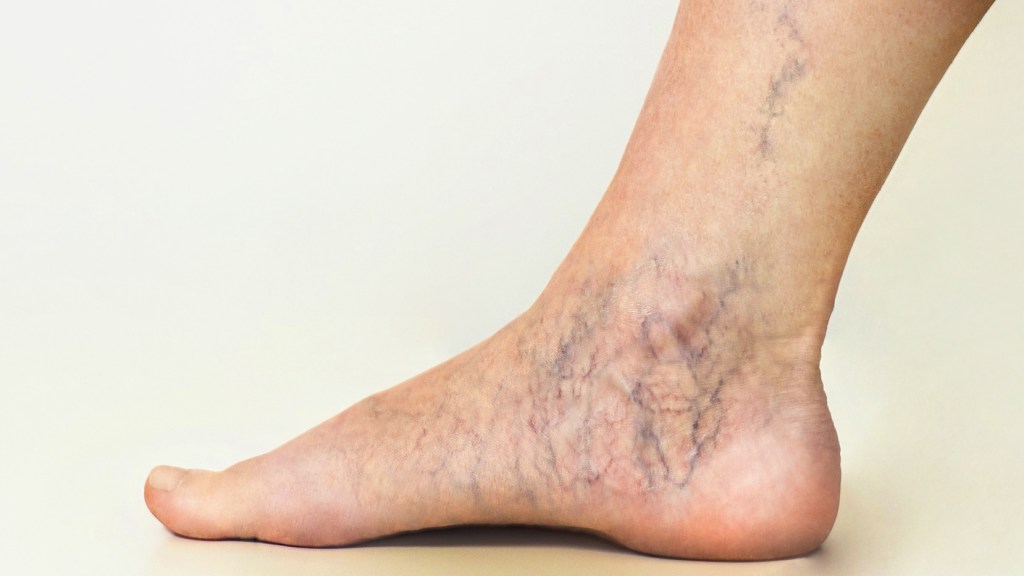
  • What Are Leg Spider Veins in Dubai And What Is Your Skin Is Telling You

    Spider veins might seem like a purely cosmetic issue—tiny red, blue, or purple lines near the surface of the skin.
    But sometimes, your body is trying to tell you something deeper.

    Ankle Spider Veins

    What Are Spider Veins?

    Spider veins are tiny, dilated blood vessels visible beneath the skin’s surface.
    They often appear on the legs, ankles, or even the face, and are usually harmless.

    In many cases, they develop due to age, hormonal changes, pregnancy, sun damage, or genetic predisposition.
    However, when spider veins appear along with other symptoms, they may point to underlying vein disease.

    👉 Learn more about spider vein sclerotherapy Dubai.


    Are Spider Veins Just Cosmetic?

    Not always.
    While many spider veins are purely aesthetic, sometimes they indicate an early stage of chronic venous insufficiency (CVI)—a condition where veins struggle to return blood to the heart efficiently.

    Signs that there might be venous insufficiency include:

    • Leg heaviness or fatigue after standing
    • Swelling around the ankles
    • Aching, throbbing, or burning sensations
    • Skin changes such as discoloration or thickening
    • Visible varicose veins along with spider veins

    When these symptoms accompany spider veins, a professional vascular evaluation is important.


    What does it all mean ?

    Spider veins caused by venous insufficiency won’t disappear on their own.
    Without treatment, venous insufficiency can lead to

    • Varicose veins
    • Leg ulcers
    • Chronic swelling
    • Skin breakdown

    📍 Explore vein diagnostic and treatment services in Dubai.


    How Are Spider Veins Treated?

    Modern spider vein treatments are safe, effective, and minimally invasive:

    • Sclerotherapy: A solution injected into the vein causes it to collapse and fade
    • Laser therapy: Focused light energy closes off small surface veins
    • Compression stockings: Improve circulation and prevent worsening of vein issues

    Choosing the right treatment depends on the location, severity, and any underlying vein disease.

    👉 Learn more about laser vein therapy in Dubai.


    When Should You See a Specialist?

    Consider consulting a vascular expert if:

    • Your spider veins are spreading
    • You feel aching, burning, or heaviness in your legs
    • Swelling or skin changes accompany the veins
    • You want cosmetic improvement with safe, effective techniques

    Trusted Source

    🔗 Mayo Clinic – Spider Veins Overview


    FAQs

    Q: Are spider veins dangerous?
    A: By themselves, spider veins are usually harmless. However, when they occur with leg pain, swelling, or varicose veins, they may signal chronic venous insufficiency that needs medical attention.

    Q: Can spider veins become varicose veins?
    A: Spider veins don’t “grow” into varicose veins, but both can stem from venous insufficiency. Early spider veins might indicate that deeper veins are already weakening.

    Q: Is treatment for spider veins painful?
    A: Most modern varicose vein treatments in Dubai, such as sclerotherapy in Dubai and laser therapy, are minimally uncomfortable. Many patients describe it as a slight stinging or tingling sensation.

    Q: Can spider veins come back after treatment?
    A: Treated veins usually don’t return, but new spider veins can develop over time due to genetics, aging, or lifestyle factors. Regular follow-up and preventive care help minimize recurrence.

    Q: Are there any risks with sclerotherapy for spider vein treatment?

    Sclerotherapy is generally considered as a safe and effective treatment for spider vein. Bruising and temporary swelling are common. Matting and staining can also occur.


    Final Thoughts

    Your skin often reflects what’s happening beneath the surface.

    👉 Visit Dubai Vein Specialist to explore varicose veins treatment Dubai.

  • Compression Therapy for Varicose Veins Treatment Dubai: Does It Really Work?

    Exploring the Effectiveness of Compression Stockings in Managing Varicose Veins in Dubai

    Compression therapy is often recommended as a first-line, non-invasive treatment for varicose veins and people looking for varicose vein treatment Dubai. But how effective is it really? And should you consider it if you’re experiencing leg swelling, aching, or visible veins?

    At Dubai Vein Specialist, we break down how compression therapy works, who it helps, and whether it can truly prevent the progression of venous disease.

    Compression socks

    What Is Compression Therapy?

    Compression therapy involves wearing specially designed stockings that apply graduated pressure to the legs. These stockings help support the veins and improve blood flow by:

    • Reducing pressure buildup in the veins
    • Preventing blood from pooling

    This is especially beneficial in Dubai, where long periods of standing, sitting, or heat-induced swelling are common.


    When Is Compression Therapy Recommended?

    Compression stockings are commonly used for:

    • Early-stage varicose veins
    • Pregnancy-related vein issues
    • Long-haul travel and flights
    • Post-treatment recovery after EVLA, RFA, or sclerotherapy
    • Patients not yet ready for or needing surgical treatment

    They are also useful for help with symptoms such as:

    • Leg fatigue
    • Mild swelling
    • Cramping
    • Skin irritation

    What the Evidence Says

    Studies show that compression therapy does not eliminate varicose veins, but it does help to reduce symptoms like aching, swelling, and discomfort. It is often used in combination with lifestyle changes or other treatments.

    In clinical settings, compression is also used post-procedure to improve recovery and maintain vein closure after ablation or sclerotherapy.

    According to the Mayo Clinic, compression therapy is a safe and effective management option that can delay progression and improve comfort.


    Types of Compression Stockings

    At Dubai Vein Specialist, we recommend medical-grade, graduated compression stockings that are fitted based on:

    • Compression level (measured in mmHg)
    • Your vein condition
    • Leg shape and length

    We typically suggest wearing them:

    • During the day while standing or sitting
    • On long flights
    • After any vein treatment

    Your vascular surgeon may guide you on the correct fit and duration.


    Pros and Cons

    Pros:

    • Non-invasive and drug-free
    • Relieves discomfort
    • Safe during pregnancy
    • Supports long-term vein health

    Cons:

    • Not a cure for vein disease
    • Needs to be worn consistently
    • May feel uncomfortable in hot climates (lighter versions are available)

    When to Consider More Advanced Treatment

    If your varicose veins are worsening, or symptoms persist despite compression, you may be a candidate for varicose vein treatment Dubai:

    • Endovenous Laser Ablation (EVLA)
    • Radiofrequency Ablation (RFA)
    • ClariVein® MOCA
    • Foam Sclerotherapy

    These are minimally invasive procedures performed in our Dubai clinic with excellent outcomes.


    Final Thoughts

    Compression therapy is a proven way to manage the symptoms of varicose veins, particularly in the early stages or alongside advanced treatments. While it may not “cure” the condition, it plays a key role in controlling discomfort and improving circulation.

    If you’re in Dubai and wondering if compression stockings are right for you, schedule a consultation at Dubai Vein Specialist today. We’ll help assess your veins and recommend the most effective plan for your long-term vascular health.


  • Best Shoes, Habits, and Lifestyle Tips to Prevent Varicose Veins Treatment Dubai

    How to Support Healthy Leg Circulation in Dubai’s Active, Urban Lifestyle

    Varicose veins don’t appear overnight. They develop gradually when valves inside your veins weaken, causing blood to pool and stretch the vein walls. While genetics play a role, your daily habits, footwear, and lifestyle choices can significantly influence your risk.

    In this blog, we’ll explore the best habits, shoe choices, and preventive routines that can help reduce the chances of varicose veins—especially relevant for those living in Dubai’s hot climate and fast-paced environment.

    Spider veins in the leg

    Why Prevention Matters

    In the UAE, prolonged sitting at desks or standing for long hours is common. These positions reduce venous return from your legs to your heart, increasing your chances of developing varicose veins. The good news? Small lifestyle adjustments can make a big difference.

    According to the Mayo Clinic, risk factors such as age, prolonged standing, and obesity play a key role in varicose vein development—and preventive steps like movement, weight management, and leg elevation can significantly reduce the risk.


    1. Choose Supportive Shoes (Not High Heels!)

    High heels may look elegant, but they can limit your calf muscle pump—a crucial mechanism for pushing blood back to the heart.

    Best options for circulation:

    Avoid tight shoes that constrict your feet or ankles, especially during long workdays.


    2. Wear Compression Stockings

    Graduated compression stockings gently squeeze your legs to encourage blood flow and reduce pooling. These are especially helpful if you:

    • Sit or stand for long hours
    • Are pregnant
    • Have a family history of vein disease


    3. Stay Physically Active

    Movement helps prevent blood from stagnating in the lower limbs. Activities that boost venous return include:

    • Brisk walking (great for early mornings or evenings in Dubai)
    • Swimming
    • Cycling
    • Leg raises and calf pumps during the workday

    Even 5-minute walks every hour can have lasting benefits for vein health.


    4. Maintain a Healthy Weight

    Excess weight adds pressure to your legs, which can damage valves and worsen reflux. Balanced nutrition and portion control help reduce inflammation and promote better blood flow.

    🟢 Focus on:

    • Leafy greens, berries, and citrus (rich in flavonoids)
    • Lean proteins and whole grains
    • Hydration, especially in Dubai’s climate

    5. Elevate Your Legs

    Leg elevation (above heart level) reduces venous pressure and promotes drainage. Try:

    • Elevating your feet for 15 minutes twice a day
    • Propping legs on a pillow after standing or walking for long periods

    6. Avoid Long Periods of Inactivity

    Whether you’re seated or standing, staying in one position too long can impair venous return.

    At work:

    • Stretch your calves every hour
    • Shift your weight between legs when standing
    • Flex your ankles under the desk

    7. Monitor Hormonal Factors

    Pregnancy, menopause, and hormone therapy can influence vein health. Women in Dubai should be particularly mindful during these periods, and discuss preventive options with their vascular specialist.


    When to See a Vascular Surgeon

    If you notice early symptoms like leg heaviness, mild swelling, or visible veins, it may be time for an evaluation. Early intervention can prevent complications and keep you active.

    A vascular surgeon can guide you for your vein treatment options.


    Final Thoughts

    Preventing varicose veins isn’t about one perfect habit—it’s about building small, sustainable routines that support healthy veins over time. With the right footwear, movement, and support, you can maintain healthy legs and a more active lifestyle in Dubai.