What You Really Need to Know About Varicose Veins in Dubai
In a city like Dubai, where appearance and well-being go hand in hand, many people see varicose veins as just a cosmetic issue. But are they really harmless? Or could they be a sign of something more serious?
In this article from Dubai Vein Specialist, we break down the common myths about varicose veins and explain the medical truth—so you can make informed decisions about your vascular health.
Myth #1: Varicose Veins Are Just a Cosmetic Issue
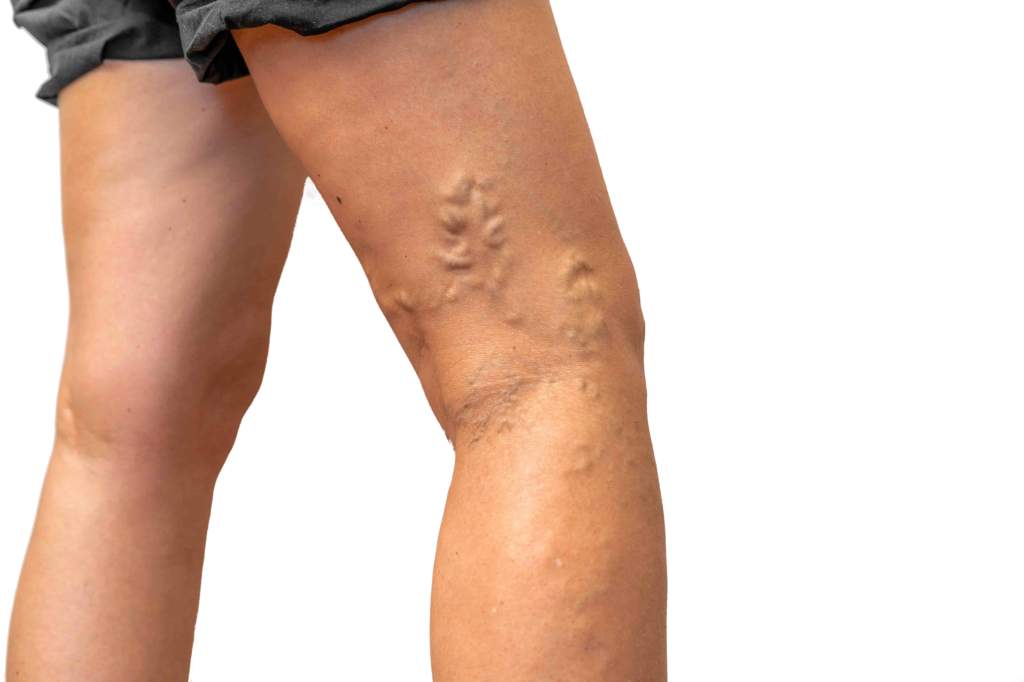
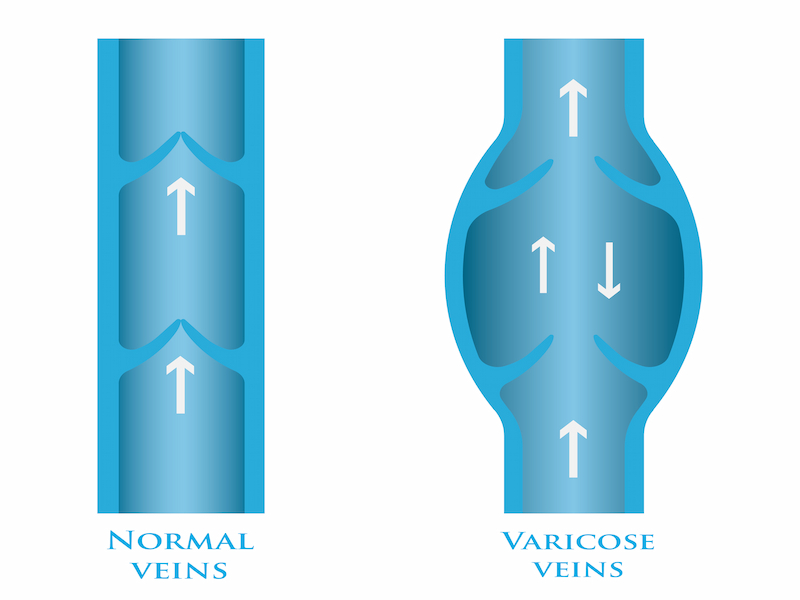
Reality: While they may look like just bulging or twisted veins under the skin, varicose veins are often caused by chronic venous insufficiency. This condition occurs when the valves in your leg veins weaken, allowing blood to pool and stretch the vein walls.
Reality: Although age increases your risk, varicose veins can affect young people, too—especially if there’s a family history, pregnancy, obesity, or a job that requires prolonged standing or sitting.
Hormonal changes during pregnancy or menopause are also key contributors, particularly in women.
Myth #3: If They Don’t Hurt, They’re Not a Problem
Reality: Even without pain, varicose veins may cause:
A heavy or tired feeling in the legs
Burning or throbbing sensations
Cramps at night
Restless legs
These symptoms can worsen over time, especially in hot climates like Dubai, where vein dilation is more common.
Myth #4: Surgery Is the Only Option
Reality: Not anymore. At Dubai Vein Specialist, we offer advanced, minimally invasive treatmentsthat are safe, effective, and performed under local anesthesia with little to no downtime:
ClariVein® MOCA – a non-thermal, gentle treatment
Endovenous Laser Ablation (EVLA)
Radiofrequency Ablation (RFA)
Foam Sclerotherapy
Compression therapy
Myth #5: Varicose Veins Don’t Lead to Complications
Reality: Although rare, but some patients could experience complications such as :
Chronic skin changes
Hardening of tissues (lipodermatosclerosis)
Open sores (venous ulcers)
Superficial thrombophlebitis
As the Mayo Clinic confirms, untreated varicose veins can lead to long-term complications that affect both your health and appearance.
When to See a Vein Specialist in Dubai
If you notice symptoms like visible veins, itching, heaviness, or swelling, it’s time to seek an expert opinion. Early treatment not only prevents progression—it can restore comfort and confidence.
Final Thoughts
Varicose veins may look harmless, but they could be your body’s way of signaling a deeper problem. Thanks to modern non-surgical options, early intervention is simpler and more effective than ever.
How to Support Healthy Leg Circulation in Dubai’s Active, Urban Lifestyle
Varicose veins don’t appear overnight. They develop gradually when valves inside your veins weaken, causing blood to pool and stretch the vein walls. While genetics play a role, your daily habits, footwear, and lifestyle choices can significantly influence your risk.
In this blog, we’ll explore the best habits, shoe choices, and preventive routines that can help reduce the chances of varicose veins—especially relevant for those living in Dubai’s hot climate and fast-paced environment.
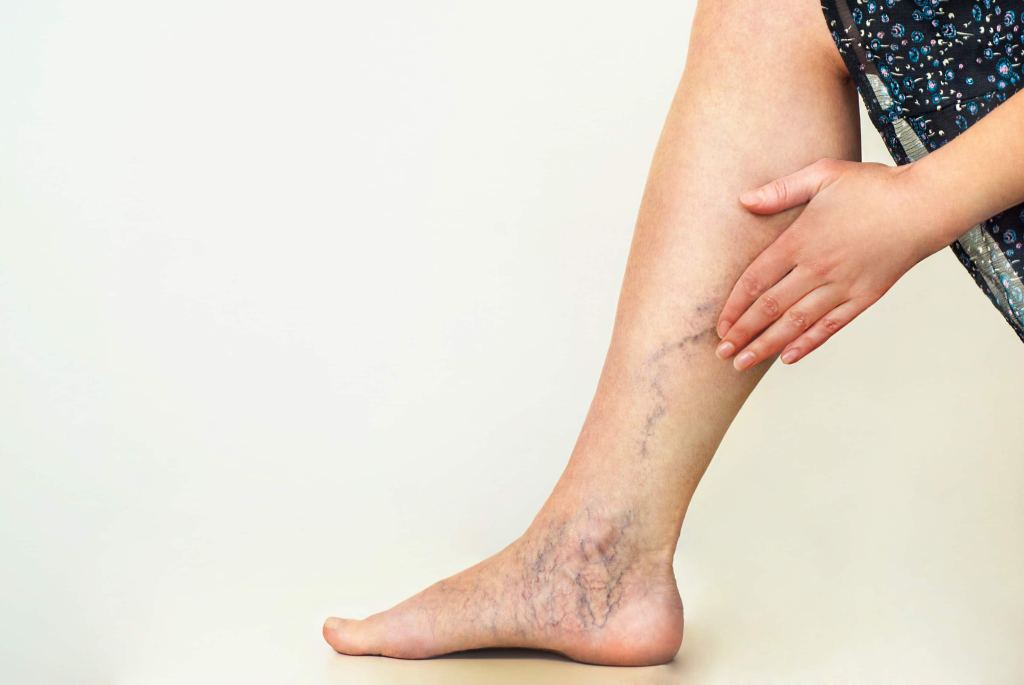
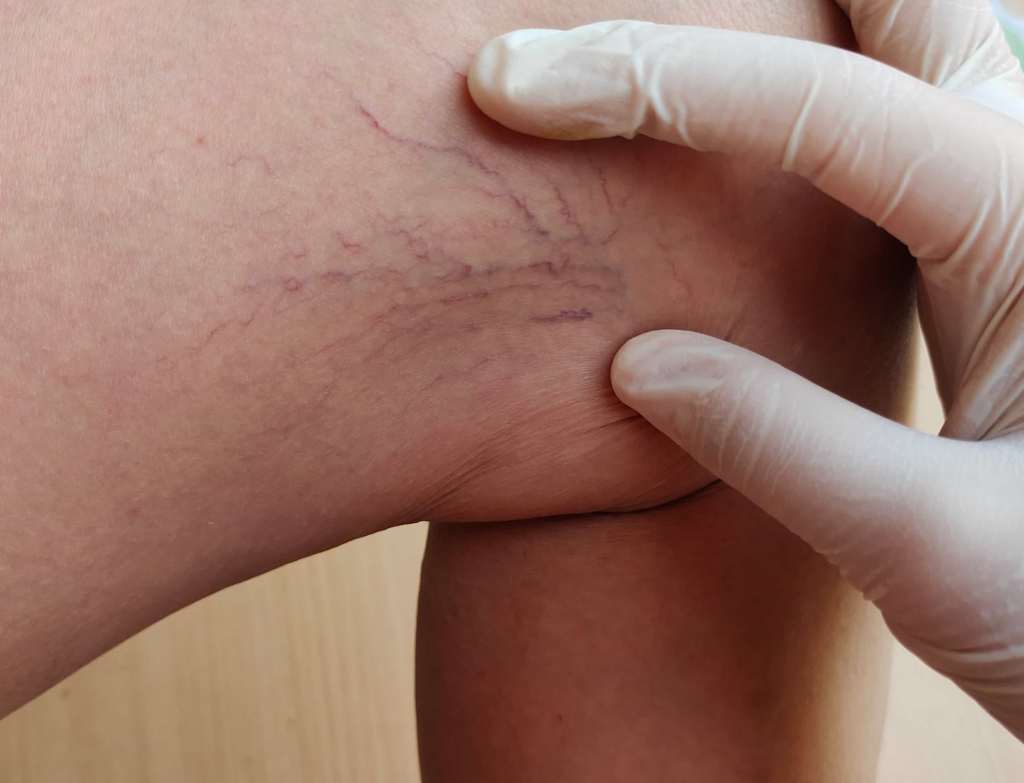
Spider veins in the leg
Why Prevention Matters
In the UAE, prolonged sitting at desks or standing for long hours is common. These positions reduce venous return from your legs to your heart, increasing your chances of developing varicose veins. The good news? Small lifestyle adjustments can make a big difference.
According to the Mayo Clinic, risk factors such as age, prolonged standing, and obesity play a key role in varicose vein development—and preventive steps like movement, weight management, and leg elevation can significantly reduce the risk.
1. Choose Supportive Shoes (Not High Heels!)
High heels may look elegant, but they can limit your calf muscle pump—a crucial mechanism for pushing blood back to the heart.
Best options for circulation:
Avoid tight shoes that constrict your feet or ankles, especially during long workdays.
2. Wear Compression Stockings
Graduated compression stockings gently squeeze your legs to encourage blood flow and reduce pooling. These are especially helpful if you:
Sit or stand for long hours
Are pregnant
Have a family history of vein disease
3. Stay Physically Active
Movement helps prevent blood from stagnating in the lower limbs. Activities that boost venous return include:
Brisk walking (great for early mornings or evenings in Dubai)
Swimming
Cycling
Leg raises and calf pumps during the workday
Even 5-minute walks every hour can have lasting benefits for vein health.
4. Maintain a Healthy Weight
Excess weight adds pressure to your legs, which can damage valves and worsen reflux. Balanced nutrition and portion control help reduce inflammation and promote better blood flow.
🟢 Focus on:
Leafy greens, berries, and citrus (rich in flavonoids)
Lean proteins and whole grains
Hydration, especially in Dubai’s climate
5. Elevate Your Legs
Leg elevation (above heart level) reduces venous pressure and promotes drainage. Try:
Elevating your feet for 15 minutes twice a day
Propping legs on a pillow after standing or walking for long periods
6. Avoid Long Periods of Inactivity
Whether you’re seated or standing, staying in one position too long can impair venous return.
At work:
Stretch your calves every hour
Shift your weight between legs when standing
Flex your ankles under the desk
7. Monitor Hormonal Factors
Pregnancy, menopause, and hormone therapy can influence vein health. Women in Dubai should be particularly mindful during these periods, and discuss preventive options with their vascular specialist.
When to See a Vascular Surgeon
If you notice early symptoms like leg heaviness, mild swelling, or visible veins, it may be time for an evaluation. Early intervention can prevent complications and keep you active.
Preventing varicose veins isn’t about one perfect habit—it’s about building small, sustainable routines that support healthy veins over time. With the right footwear, movement, and support, you can maintain healthy legs and a more active lifestyle in Dubai.
A Non-Invasive, Proven Support for Healthier Veins
When it comes to treating varicose veins, not every solution has to involve surgery or lasers. For many patients in Dubai, compression therapy offers a gentle, effective way to relieve symptoms, improve circulation, and prevent vein conditions from progressing.
Whether you’re in the early stages of varicose veins or recovering from a minimally invasive procedure, compression stockings can play a major role in supporting long-term vein health and improve your symptoms if you are planning for varicose vein treatment Dubai.
It is important to to remember that compression therapy and compression socks “do not” cure varicose veins but they can help with symptomatic relief.
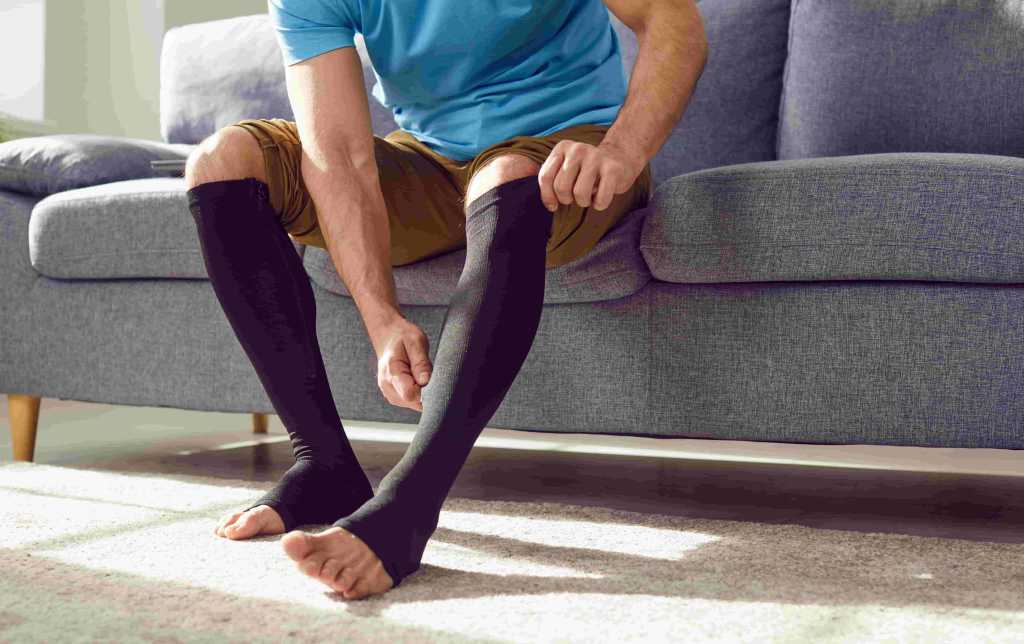
Compression socks
What Are Varicose Veins?
Varicose veins are enlarged, twisted veins that usually appear in the legs and feet. They’re caused by faulty one-way valves inside your veins that allow blood to flow backward and pool. Over time, this leads to visible bulging veins, aching, heaviness, and swelling.
Some patients may also have
Skin changes (eczema, pigmentation)
Leg ulcers
Thrombophlebitis (vein inflammation)
Symptoms
Some of the most common symptoms of varicose veins include:
Heaviness or aching in the legs
Leg cramps, especially at night
Swelling around the ankles or calves
Visible bulging or twisted veins
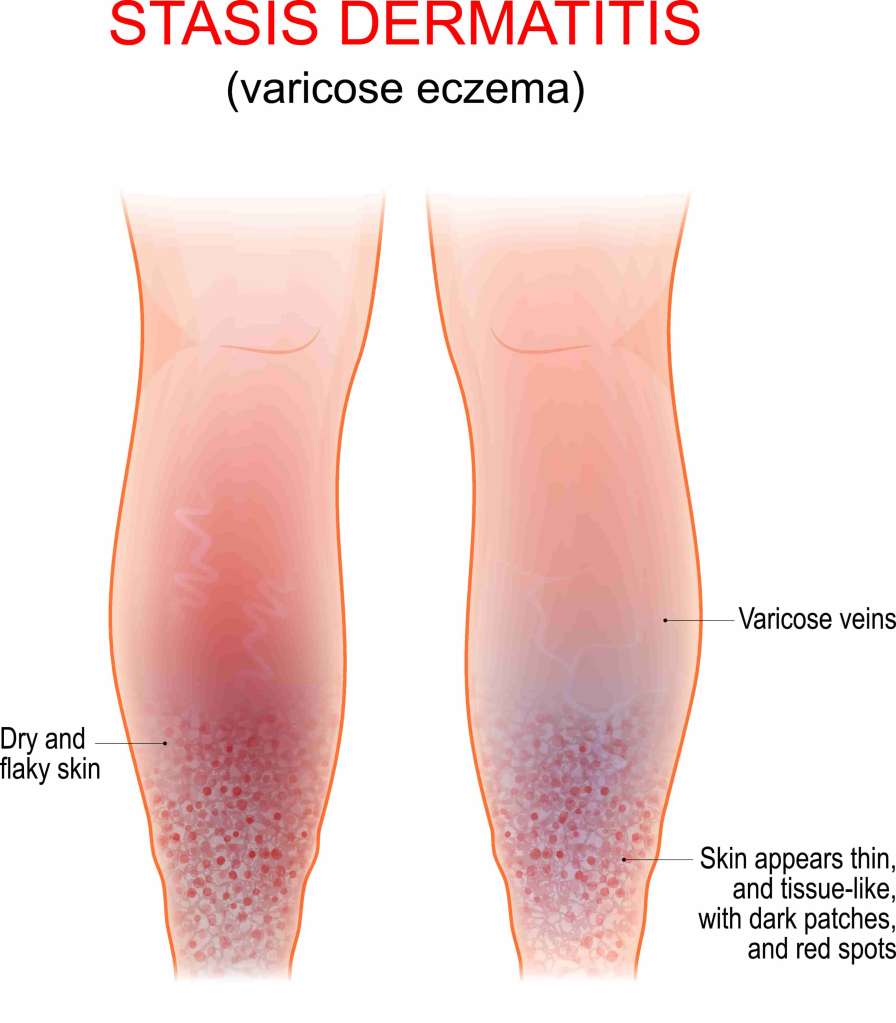
Itching, dryness, or eczema on the legs
Tiredness or discomfort after standing
If you’re experiencing any of these signs, it’s time to seek advice from a vein specialist.
What Is Compression Therapy?
Compression therapy is a non-invasive treatment that involves wearing medical-grade compression stockings or bandages. These garments apply controlled pressure to your legs, helping your veins push blood back toward your heart more efficiently.
Unlike over-the-counter socks, medical compression stockings are specially designed to deliver graduated pressure—strongest at the ankle and gradually decreasing up the leg.
How Does Compression Therapy Work?
Compression therapy helps restore normal blood flow and prevents fluid buildup in the legs. Here’s what it does:
Improves circulation: Assists weakened veins in returning blood to the heart
Reduces swelling (edema): Reduces fluid buildup in tissues
Prevents vein distention: Limits further damage to veins and valves
Relieves discomfort: Reduces heaviness, tiredness, and leg cramps
Supports healing: Enhances recovery after procedures like sclerotherapy or laser ablation
When Is Compression Therapy Recommended?
Compression therapy is commonly used in a range of vascular conditions, including:
Varicose veins – Helps reduce swelling and improve comfort
Chronic venous insufficiency (CVI) – Prevents progression of vein disease
Post-treatment recovery – Used after procedures like EVLA, RFA, or ClariVein®
Leg ulcers and venous wounds – Supports wound healing
Deep vein thrombosis (DVT) – Lowers risk of clot formation during travel or immobility
Important Safety Considerations
Compression therapy is safe for most patients but must be prescribed after proper vascular assessment. It is not suitable for people with:
Peripheral arterial disease (PAD)
Skin infections or open wounds (without medical supervision)
Before recommending compression stockings, Dr. Soroush Sohrabi performs a comprehensive Doppler ultrasound to evaluate both venous and arterial circulation.
Types of Compression Stockings
There are different types and compression levels, depending on your vein condition and treatment plan:
Class I (15–20 mmHg): Mild symptoms and early-stage varicose veins
Class II (20–30 mmHg): Moderate symptoms, swelling, and venous reflux
Class III (30–40 mmHg): More advanced cases or after ulcer healing
Custom-fit garments: For unique leg shapes or lymphedema cases
At Dubai Vein Specialist, we help you choose the right class, size, and brand based on your individual needs and comfort.
Compression After Procedures – Why It Matters
Compression therapy isn’t just for managing varicose veins treatment Dubai— it also plays a role in recovery after procedures such as:
Wearing time depends on your treatment plan and condition severity:
For symptom relief: 6–8 hours per day during daily activities
After treatment: Daily wear for 1–2 weeks as prescribed
For travel/DVT prevention: During long flights or extended sitting
Dr. Soroush Sohrabi will guide you on duration and daily routines to get the most benefit from your compression therapy.
Frequently Asked Questions
Q: Are compression stockings painful to wear? A: No. While they may feel snug at first, properly fitted compression stockings should never be painful.
Q: Can I buy compression socks from a pharmacy? A: Yes but for medical-grade results, it’s best to use physician-recommended products, fitted to your measurements and condition.
Q: Are compression garments safe during pregnancy? A: Yes. In fact, they’re often prescribed to manage varicose veins during pregnancy. Always consult your doctor before use.
Why Choose Dr. Soroush Sohrabi in Dubai?
At Dubai Vein Specialist, Dr. Soroush Sohrabi brings UK-accredited training, decades of vascular expertise, and the latest diagnostic tools to every patient. He is widely regarded as one of Dubai’s most trusted vein specialists, offering non-surgical options like compression therapy alongside advanced interventions.
Your care begins with a detailed Doppler ultrasound, and every recommendation—from stockings to surgery—is tailored to your anatomy, goals, and lifestyle.
Final Thoughts
Compression therapy is a proven and powerful tool in managing varicose veins. Whether used on its own or as part of a broader treatment plan, it improves blood flow, reduces discomfort, and helps prevent complications. With the guidance of an expert, it’s a safe and simple way to stay active and protect your legs.
A Non-Thermal, Needle-Light Option by One of Dubai’s Most Trusted Vein Specialist
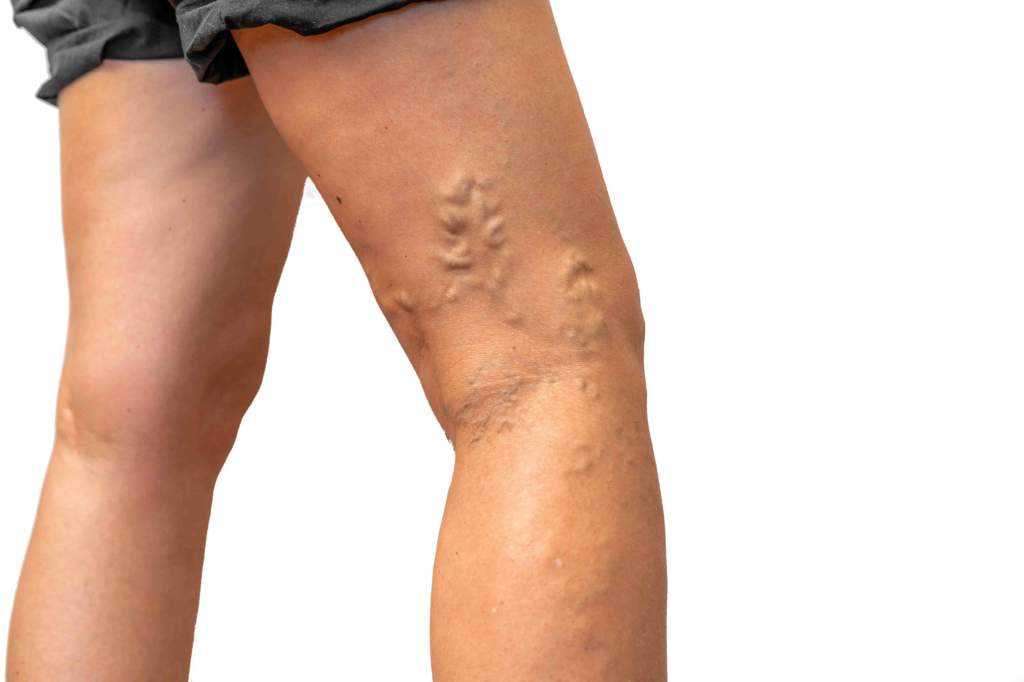
Leg varicose veins
Varicose veins are sometimes not just a cosmetic problem—they often signal underlying venous insufficiency. Symptoms like leg heaviness, swelling, night cramps, and visible veins can interfere with your daily life. While laser (EVLA) and radiofrequency ablation (RFA) are common treatments, many patients now seek a more comfortable, advanced solution.
This is where ClariVein® MOCA (Mechanochemical Ablation) shines. As a minimally invasive, heat-free treatment, ClariVein® is ideal for patients who want fast recovery and less pain. It’s become a top choice for varicose vein treatment Dubai, especially when performed by an experienced specialist.
Understanding Varicose Veins and Chronic Venous Insufficiency
Varicose veins occur when small one-way valves in your leg veins weaken or fail, allowing blood to flow backward and pool. This condition, known as chronic venous insufficiency, leads to swollen, twisted, and bulging veins visible under the skin.
Venous Valves
Symptoms include:
Leg heaviness and fatigue
Night cramps
Visible bulging veins or spider veins
Swelling and discomfort
Itching, eczema, or skin changes
In more severe cases: ulcers
If left untreated, the condition tends to worsen over time.
Traditional Treatments – Laser and Radiofrequency Ablation
Both Endovenous Laser Ablation (EVLA) and Radiofrequency Ablation (RFA) are effective heat-based treatments. They work by delivering thermal energy via a catheter to collapse the faulty vein wall.
However, because these techniques use heat, they require:
Tumescent anesthesia (multiple needle injections along the vein)
Time-consuming numbing and cooling before the procedure
Carry the risk of bruising, skin burns, or nerve injury
While results are reliable, patient comfort during and after the procedure can be a concern.
What Makes ClariVein® MOCA Different?
ClariVein® (MOCA) represents a breakthrough in vein care. It is non-thermal, non-tumescent, and minimally invasive. The device uses two actions at once:
A rotating wire tip disrupts the vein lining from inside.
A sclerosant medication is simultaneously delivered to seal the vein.
This dual-action approach closes the vein without heat or heavy anesthesia, minimizing discomfort and side effects.
Benefits of ClariVein® Over Traditional Techniques
Studies comparing MOCA with heat-based methods show significant advantages:
Fewer needle injections — usually just 1–2
No thermal risk — eliminates chance of skin burns or nerve damage
ClariVein® is especially suited for patients with superficial veins near sensitive nerves or skin.
Why Patients Are Choosing ClariVein® in Dubai
ClariVein® is gaining popularity for its unmatched comfort and fast return to normal life in patient who are interested in varicose vein treatment Dubai. Compared to traditional heat-based treatments, it offers:
Just one or two needle punctures
No heat = no skin burns or nerve risk
Walk-in/walk-out recovery—no hospital stay
Treatment decisions should always be guided by a Doppler ultrasound assessment and your vascular surgeon’s recommendation.
What to Expect During a ClariVein® Procedure
The ClariVein® procedure is performed in-clinic and typically takes 15–30 minutes. Here’s how it works:
Ultrasound mapping is done to identify the vein.
A small catheter is inserted through a needle puncture.
The wire rotates inside the vein, delivering the medication.
No tumescent injections are needed.
A bandage is applied, and you’re free to walk out.
Most patients return to light activity the same or next day, wearing compression stockings for about a week.
Why Trust Dubai Vein Specialist?
At Dubai Vein Specialist, every case is managed personally by Dr. Soroush Sohrabi, a UK-trained Consultant Vascular Surgeon with global training in the UK, Australia, and the USA.
Recognized as one of the most trusted vein specialists in Dubai, Dr. Sohrabi is known for combining medical precision with patient-centered care.
Many of our patients consider him among the best varicose vein surgeons in Dubai, thanks to his skill, technology, and focus on comfort.
Choosing the Right Option for You
Whether you’re considering ClariVein®, EVLA, RFA, or sclerotherapy, the ideal treatment depends on:
Ultrasound findings
Vein size and location
Your recovery needs and preferences
Your doctor’s experience
We never take a one-size-fits-all approach — your consultation includes a detailed scan and discussion to guide the decision.
Final Thoughts
ClariVein® MOCA offers a modern, gentle way to treat varicose veins without the downsides of heat-based procedures. With:
Effective Varicose & Spider Vein Treatment in Dubai
Varicose veins aren’t just about appearance—they can indicate an underlying circulatory issue called chronic venous insufficiency. This condition affects how blood flows back up to your heart from your legs and can worsen over time without proper care.
If you live in the UAE and are noticing visible veins or leg discomfort, this guide is for you. We’ll explore the causes of varicose veins and how to access trusted varicose vein treatment in Dubai or spider vein treatment in Dubai.
Leg varicose veins
Key Takeaways
Varicose veins form when vein valves weaken, leading to blood pooling.
Risk factors include genetics, aging, hormonal changes, and pregnancy.
Long periods of sitting or standing can aggravate symptoms.
Early detection helps prevent complications like ulcers or skin damage.
We offer minimally invasive varicose and spider vein treatment in Dubai.
What Are Varicose Veins?
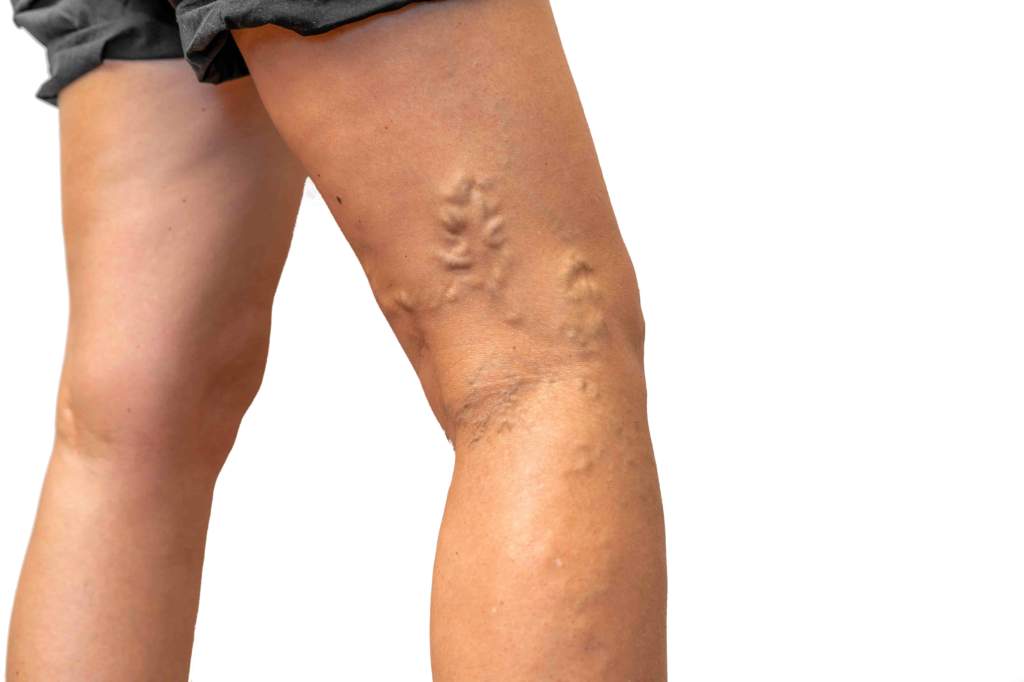
Varicose veins are twisted, enlarged veins—often blue or dark purple—that most commonly affect the legs and feet. They occur when the tiny one-way valves in your veins become weak or damaged, allowing blood to flow backward and pool.
Over time, this leads to the visible bulging veins and symptoms like:
Varicose and spider veins often stem from the same core issue—venous insufficiency. Here are the leading causes:
1. Genetics
If your parents or siblings have varicose veins, your chances are higher too. Heredity influences valve strength and vein wall flexibility.
2. Aging
As you age, your veins lose elasticity and valves may weaken, which disrupts blood flow.
3. Hormonal Changes
Fluctuations from pregnancy, menopause, or birth control can relax vein walls, especially in women.
4. Pregnancy
Increased blood volume and pressure on pelvic veins during pregnancy can lead to spider veins and varicose veins.
5. Obesity
Carrying excess body weight adds pressure on your lower limbs, making vein problems worse.
6. Prolonged Inactivity
Standing or sitting for hours reduces blood flow. This is common in jobs like teaching, healthcare, driving, or desk work. this could result in deterioration of your symptoms.
7. Lack of Exercise
Poor calf muscle activity means blood doesn’t circulate properly. Movement helps your veins push blood upward.
Prevention Tips for Healthy Veins
While some causes like genetics can’t be changed, there’s still plenty you can do:
🏃♂️ Stay active with walking, swimming, or cycling
🛌 Elevate your legs regularly
🧦 Wear compression stockings
💧 Stay hydrated and maintain a healthy weight
🪑 Avoid prolonged sitting or standing—move every 30–60 minutes
👟 Use comfortable footwear and avoid tight clothing
When to Seek Varicose Vein Treatment in Dubai
If you experience symptoms such as:
Leg heaviness or swelling
Night cramps or visible veins
Skin darkening near the ankles
Itching or dull aches
…it’s time to consult a vascular specialist.
Our clinic offers non-invasive Doppler ultrasound assessments to evaluate your vein health and tailor a personalized treatment plan. Early treatment can prevent long-term complications and significantly improve your comfort and appearance.
✅ ClariVein®: No heat, fewer injections, faster recovery
✅ EVLA – Endovenous Laser Ablation: High success rate for larger veins
✅ RFA – Radiofrequency Ablation: Heat-based closure of faulty veins
✅ Foam Sclerotherapy: Ideal for spider veins and small varicosities
✅ Compression Therapy: Great for symptom management and prevention
Final Thoughts
Varicose and spider veins are more than a cosmetic concern—they signal circulation issues that may worsen if left untreated. If you’re in Dubai or the UAE and searching for reliable solutions, our vascular clinic provides advanced, personalized vein care from diagnosis to treatment.
Take the first step toward relief and smoother, healthier legs.
FAQs
Q: Are spider veins dangerous? A: Not usually, but they may be a warning sign of underlying vein disease. Early treatment is always a good idea.
Q: Are treatments painful? A: Most procedures like ClariVein® or EVLA are performed under local anesthesia with minimal discomfort.
Q: Do men get varicose veins too? A: Yes! Both men and women can get varicose veins
If you’ve ever felt that heavy, aching sensation in your legs by the end of the day—or noticed visible, twisting veins under your skin—you might be experiencing the early symptoms of varicose veins Dubai. These aren’t just cosmetic concerns. Varicose veins are a sign of underlying venous insufficiency, a medical condition that can worsen over time if left untreated.
In this blog, we’ll walk you through the most common symptoms of varicose veins, what causes them, when to see a vascular specialist, and what treatment options are available right here in Dubai.
Key Takeaways
Heaviness, tiredness, and aching legs are among the most common symptoms.
Symptoms often worsen with prolonged standing or sitting.
Other signs include itching, swelling, burning, and night cramps.
Varicose veins can be more than cosmetic—they may indicate underlying venous disease.
What Are Varicose Veins?
Varicose veins are enlarged, twisted veins that usually appear in the legs and feet due to weakened or damaged vein valves. When these valves fail, blood pools in the veins instead of flowing back to the heart. This pressure buildup leads to vein enlargement and the symptoms that follow. Learn more about varicose veins.
Leg varicose veins
Common Symptoms of Varicose Veins
According to a clinical overview published in the European Journal of Vascular and Endovascular Surgery, patients with varicose veins often report one or more of the following:
1. Heaviness in the Legs
A persistent heavy feeling in the legs—especially after long periods of standing—is one of the earliest signs.
2. Tired or Fatigued Legs
Fatigue that improves when you elevate your legs may indicate venous reflux.
3. Swelling (Especially Around the Ankles)
Patients may feel a sensation of swelling or notice puffiness, often worsening throughout the day.
4. Itching or Irritation of the Skin
This can resemble dry skin or eczema and is caused by inflammation due to poor circulation.
5. Nighttime Cramps
Cramps that wake you up at night, especially in the calves, are commonly associated with chronic venous insufficiency.
6. Throbbing or Burning Sensations
A burning feeling along the course of a vein is another hallmark symptom.
7. Aching and Dull Pain
This tends to worsen as the day progresses or after long periods of inactivity.
8. Worsening with Standing or Sitting
Many symptoms become more pronounced with prolonged inactivity and improve with movement or elevation.
9. Venous Claudication During Exercise
A less common but important symptom, venous claudication refers to leg discomfort or pain during walking or physical activity due to venous congestion.
Why You Shouldn’t Ignore These Symptoms
While varicose veins are often considered a cosmetic concern, they may sometimes lead to skin changes, irritation, or discomfort if not addressed. In some cases, conditions such as venous eczema, lipodermatosclerosis, or even leg ulcers could develop over time. Seeking early evaluation and guidance can help manage symptoms effectively and support long-term vein health.
When to See a Vascular Surgeon
If you are experiencing any of the symptoms listed above, it’s time to book a consultation with a specialist. At Dubai Vein Specialist, we use advanced Doppler ultrasound to evaluate vein function and offer the most suitable treatment options based on your unique condition.
If you’re based in Dubai and experiencing any of these symptoms, you can book a consultation with Dr. Soroush Sohrabi, Consultant Vascular Surgeon, and take the first step toward healthier legs.
FAQs
Q: Are varicose veins painful? A: They can be. While some people only notice visible veins, others may experience aching, burning, and cramps.
Q: Can varicose veins go away on their own? A: No. While lifestyle changes can help manage symptoms, the condition typically worsens without treatment.
Q: Is treatment safe and effective? A: Yes. Modern treatments like ClariVein and EVLA are minimally invasive, effective, and performed under local anesthesia.
Reference: European Journal of Vascular and Endovascular Surgery (EJVES), 2021. Link to article


You must be logged in to post a comment.