Tag: spider vein dubai

  • What Are Leg Spider Veins in Dubai And What Is Your Skin Is Telling You

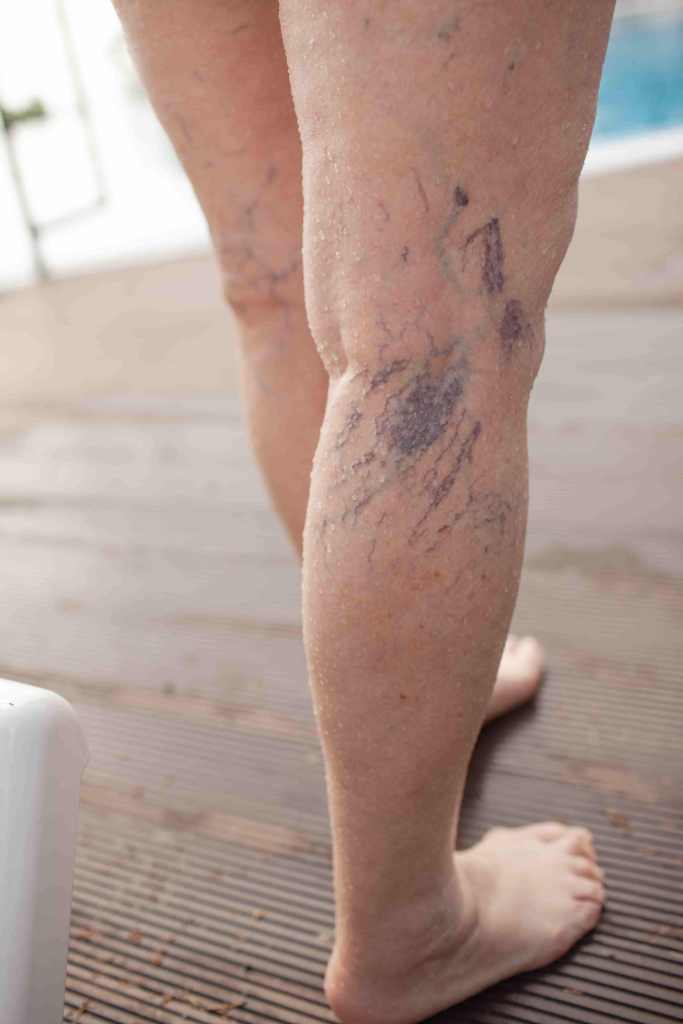
    Spider veins might seem like a purely cosmetic issue—tiny red, blue, or purple lines near the surface of the skin.
    But sometimes, your body is trying to tell you something deeper.
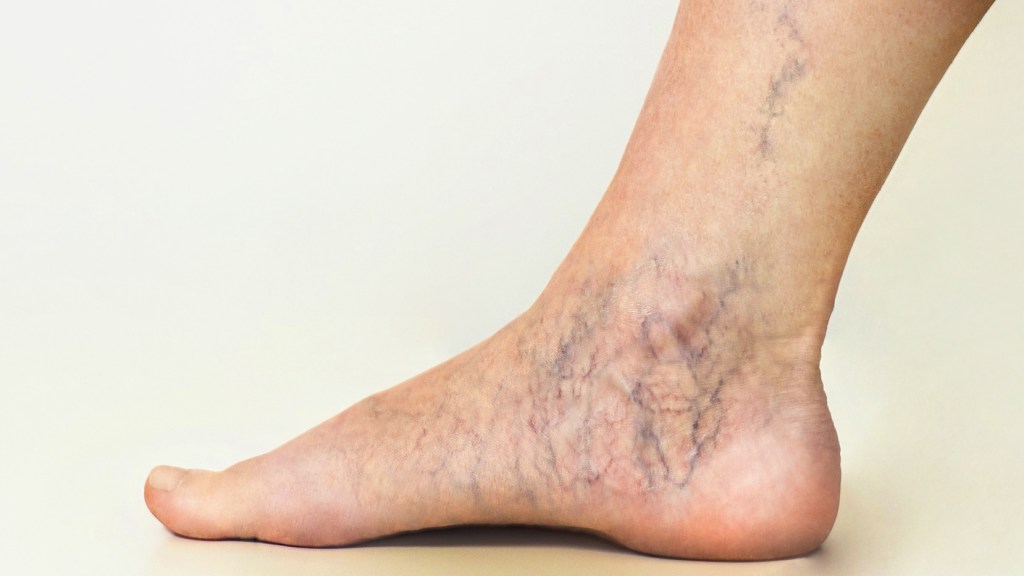
    Ankle Spider Veins

    What Are Spider Veins?

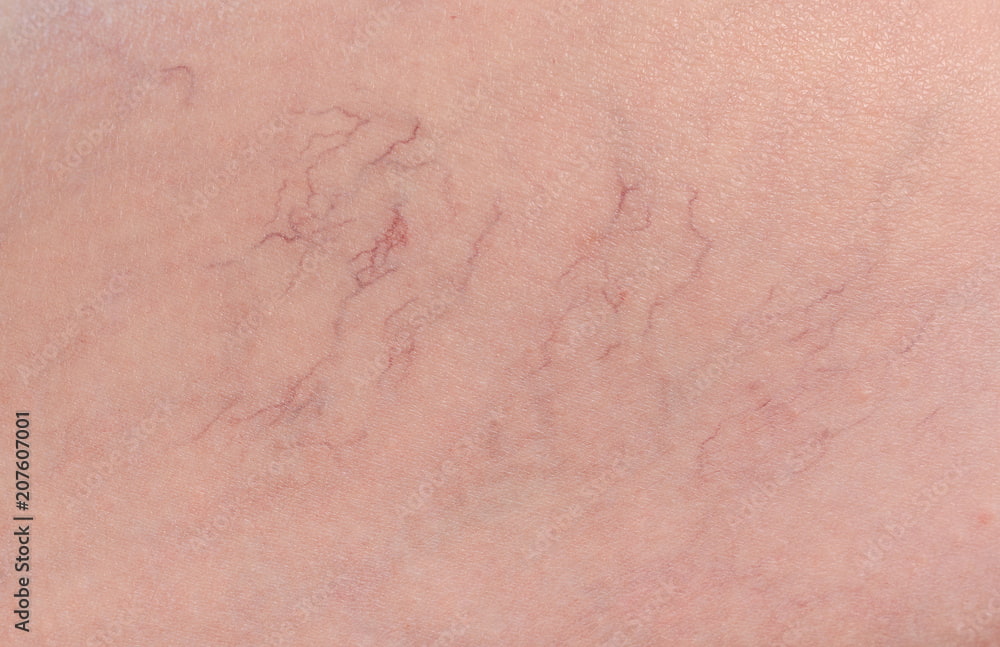
    Spider veins are tiny, dilated blood vessels visible beneath the skin’s surface.
    They often appear on the legs, ankles, or even the face, and are usually harmless.

    In many cases, they develop due to age, hormonal changes, pregnancy, sun damage, or genetic predisposition.
    However, when spider veins appear along with other symptoms, they may point to underlying vein disease.

    👉 Learn more about spider vein sclerotherapy Dubai.


    Are Spider Veins Just Cosmetic?

    Not always.
    While many spider veins are purely aesthetic, sometimes they indicate an early stage of chronic venous insufficiency (CVI)—a condition where veins struggle to return blood to the heart efficiently.

    Signs that there might be venous insufficiency include:

    • Leg heaviness or fatigue after standing
    • Swelling around the ankles
    • Aching, throbbing, or burning sensations
    • Skin changes such as discoloration or thickening
    • Visible varicose veins along with spider veins

    When these symptoms accompany spider veins, a professional vascular evaluation is important.


    What does it all mean ?

    Spider veins caused by venous insufficiency won’t disappear on their own.
    Without treatment, venous insufficiency can lead to

    • Varicose veins
    • Leg ulcers
    • Chronic swelling
    • Skin breakdown

    📍 Explore vein diagnostic and treatment services in Dubai.


    How Are Spider Veins Treated?

    Modern spider vein treatments are safe, effective, and minimally invasive:

    • Sclerotherapy: A solution injected into the vein causes it to collapse and fade
    • Laser therapy: Focused light energy closes off small surface veins
    • Compression stockings: Improve circulation and prevent worsening of vein issues

    Choosing the right treatment depends on the location, severity, and any underlying vein disease.

    👉 Learn more about laser vein therapy in Dubai.


    When Should You See a Specialist?

    Consider consulting a vascular expert if:

    • Your spider veins are spreading
    • You feel aching, burning, or heaviness in your legs
    • Swelling or skin changes accompany the veins
    • You want cosmetic improvement with safe, effective techniques

    Trusted Source

    🔗 Mayo Clinic – Spider Veins Overview


    FAQs

    Q: Are spider veins dangerous?
    A: By themselves, spider veins are usually harmless. However, when they occur with leg pain, swelling, or varicose veins, they may signal chronic venous insufficiency that needs medical attention.

    Q: Can spider veins become varicose veins?
    A: Spider veins don’t “grow” into varicose veins, but both can stem from venous insufficiency. Early spider veins might indicate that deeper veins are already weakening.

    Q: Is treatment for spider veins painful?
    A: Most modern varicose vein treatments in Dubai, such as sclerotherapy in Dubai and laser therapy, are minimally uncomfortable. Many patients describe it as a slight stinging or tingling sensation.

    Q: Can spider veins come back after treatment?
    A: Treated veins usually don’t return, but new spider veins can develop over time due to genetics, aging, or lifestyle factors. Regular follow-up and preventive care help minimize recurrence.

    Q: Are there any risks with sclerotherapy for spider vein treatment?

    Sclerotherapy is generally considered as a safe and effective treatment for spider vein. Bruising and temporary swelling are common. Matting and staining can also occur.


    Final Thoughts

    Your skin often reflects what’s happening beneath the surface.

    👉 Visit Dubai Vein Specialist to explore varicose veins treatment Dubai.

  • Understanding Lipedema: The Often Misdiagnosed Fat Disorder

    Introduction

    Lipedema is a chronic fat distribution disorder that primarily affects women and is often misunderstood or misdiagnosed. Characterized by a symmetrical buildup of fatty tissue—most commonly in the legs and sometimes the arms—it typically spares the hands and feet, which helps differentiate it from other conditions such as lymphoedema or general obesity. Early recognition is crucial to avoid complications and ensure appropriate management.

    Lipidema in the legs

    What Is Lipedema?

    Lipedema is not simply excess weight. It is a disorder of fat tissue that leads to painful, disproportionate fat accumulation. This fat is resistant to diet and exercise and with patients experiencing easy bruising.

    While the exact cause is unknown, lipedema has a strong hormonal and genetic component. It frequently appears or worsens during hormonal shifts such as puberty, pregnancy, or menopause, and tends to run in families.


    How Lipoedema Differs from Obesity and Lymphoedema

    • Lipoedema vs Obesity: Lipoedema fat is painful, bruises easily, and is disproportionate. Weight loss through diet and exercise rarely improves the affected areas.
    • Lipoedema vs Lymphoedema: Lipedema spares the hands and feet, while lymphoedema often involves swelling of the extremities. In later stages, however, lipoedema can lead to lipo-lymphedema, where lymphatic flow is impaired, resulting in swelling of the feet and ankles.

    Associated Vascular Complications

    As lipoedema progresses, the excessive fat can compromise venous return and lead to chronic venous insufficiency (CVI). Patients may develop:

    A Doppler ultrasound is typically performed to evaluate for venous reflux and differentiate from primary venous disorders.


    Diagnosis

    Accurate diagnosis involves:

    • Clinical history and physical examination
    • Venous Doppler ultrasound to exclude reflux
    • Lymphoscintigraphy (in selected cases) to assess lymphatic drainage

    Due to overlapping symptoms with other conditions, many cases are delayed or misdiagnosed.


    Treatment Options in Dubai

    Conservative Treatment:

    • Compression garments to support circulation and manage swelling
    • Manual lymphatic drainage (MLD)
    • Low-impact exercise such as swimming, walking, or cycling
    • Skin care and prevention of infections
    • Nutritional counseling to maintain a healthy weight and reduce inflammation

    Advanced Treatment:

    In selected cases, liposuction using tumescent or water-assisted techniques can offer long-term relief by removing diseased fat tissue. This may lead to improvements in:

    • Pain
    • Mobility
    • Quality of life

    When to See a Specialist

    If you notice persistent, painful fat accumulation in your legs or arms that doesn’t improve with weight loss—and especially if your hands and feet remain unaffected—it’s time to consult a vascular or lymphatic specialist.

    Patients have access to a number of vein treatment options in Dubai for the treatment of venous insufficiency if it is present alongside lymphedema.

    📍 Book your consultation in Dubai for an accurate assessment.


    Trusted Source

    🔗 Mayo Clinic – Lipoedema Overview


    Check our vein FAQ on lipidema for further information on the difference between leg edema and lipidema.

    FAQs

    Q1: Is lipedema the same as obesity?
    No. Lipedema involves abnormal fat that doesn’t respond to traditional weight loss and is often painful.

    Q2: Can lipedema cause varicose veins?
    Yes. Patients with Lipidema can have venous insufficiency and varicose veins

    Q3: Is liposuction a cure for lipedema?
    Liposuction can significantly improve symptoms but is not a cure. It should be combined with conservative measures for best results.

  • What patients are asking in Dubai, Face vs. Leg Spider Veins: What’s the Difference?

    Spider veins can show up in surprising places—including your legs and even your face. While they might look similar, the causes, treatments, and implications can vary quite a bit depending on their location.


    Key Takeaways

    • Facial spider veins often result from sun damage or skin trauma.
    • Leg spider veins are usually linked to venous insufficiency.
    • Treatment varies depending on vein location, skin sensitivity, and underlying causes.

    What Are Spider Veins?

    Spider veins are tiny, dilated blood vessels near the surface of the skin. They appear as red, blue, or purple webs or branches—hence the name “spider veins.” You can read more about what causes spider veins here.

    Leg Spider Veins

    Spider Veins on the Face

    Facial spider veins—commonly found on the cheeks, nose, or chin—are typically caused by:

    • Sun exposure
    • Injury or trauma
    • Frequent use of topical steroids
    • Genetics

    They’re also known as telangiectasias and are usually a cosmetic issue, not a sign of deeper vein problems.


    Spider Veins on the Legs

    In contrast, leg spider veins often develop due to:

    • Venous insufficiency
    • Pregnancy
    • Prolonged standing
    • Hormonal changes
    • Obesity

    These are often related to poor circulation and can sometimes indicate underlying varicose veins or chronic venous disease. Learn more about venous insufficiency here.


    Treatment Options in Dubai

    • Facial spider veins are best treated with vascular lasers or Intense Pulsed Light (IPL).
    • Leg spider veins may require sclerotherapy, laser therapy, or compression stockings.

    For sensitive facial areas, we use gentle laser settings with cooling technology to reduce discomfort.

    For a personalised plan for sclerotherapy Dubai check Dubai Vein Specialist.


    Can Spider Veins Be Prevented?

    While some risk factors like genetics and aging are unavoidable, you can reduce the chance of spider veins by:

    • Wearing sun protection on your face
    • Avoiding prolonged standing
    • Using compression stockings for leg support
    • Managing rosacea or skin inflammation properly

    When to Seek Medical Advice

    If you notice spider veins suddenly appearing, especially on your legs, or if you have aching or heaviness or leg swelling, you might benefit from a vascular evaluation. Book vein assessment in Dubai here.


    Trusted Source


    FAQs

    1. Are facial spider veins dangerous?
    No, spider veins on the face are typically harmless and mostly cosmetic. However, they may be linked to conditions like rosacea or chronic sun damage and can be treated with non-invasive laser options.

    2. Can spider veins on the legs turn into varicose veins?
    Spider veins and varicose veins are related but not the same. Spider veins may be a sign of underlying venous insufficiency, which can lead to varicose veins over time if left untreated.

    3. Is the treatment for spider veins on the face painful?
    Facial spider vein treatments, especially with modern vascular lasers, are usually well tolerated. Most patients describe it as a mild tingling or snapping sensation, and numbing options are available for added comfort.


    Read more on Leg Swelling and varicose veins

  • Varicose veins Dubai – Leg Swelling and Venous Insufficiency: What You Need to Know

    Introduction

    Persistent leg swelling is a common complaint in adults, especially in warmer climates like Dubai. While it may be caused by a variety of conditions, one of the most frequent and often overlooked causes is chronic venous insufficiency (CVI). This condition develops when the veins in your legs struggle to return blood to the heart, causing fluid buildup and visible swelling.

    Understanding the connection between venous insufficiency and leg swelling is crucial for both diagnosis and treatment. In this blog, we explore the symptoms, causes, and effective solutions available for patients with varicose vein in dubai.

    🔗 Read more from Cleveland Clinic

    Leg edema or swelling

    What Is Venous Insufficiency?

    Venous insufficiency occurs when the valves in your leg veins become weak or damaged. These valves are responsible for keeping blood moving toward the heart. When they fail, blood can pool in the legs, leading to pressure buildup, swelling, and a variety of uncomfortable symptoms.

    This condition can lead to more serious complications if left untreated, such as skin discoloration, varicose veins Dubai, venous eczema, or even ulcers.


    Common Symptoms of CVI

    • Swelling in one or both legs (especially around the ankles)
    • Heaviness or tiredness in the legs
    • Itching or skin irritation
    • Varicose or spider veins
    • Pain that worsens after standing for long periods
    • Skin changes such as discoloration or thickening

    Why Does It Cause Swelling?

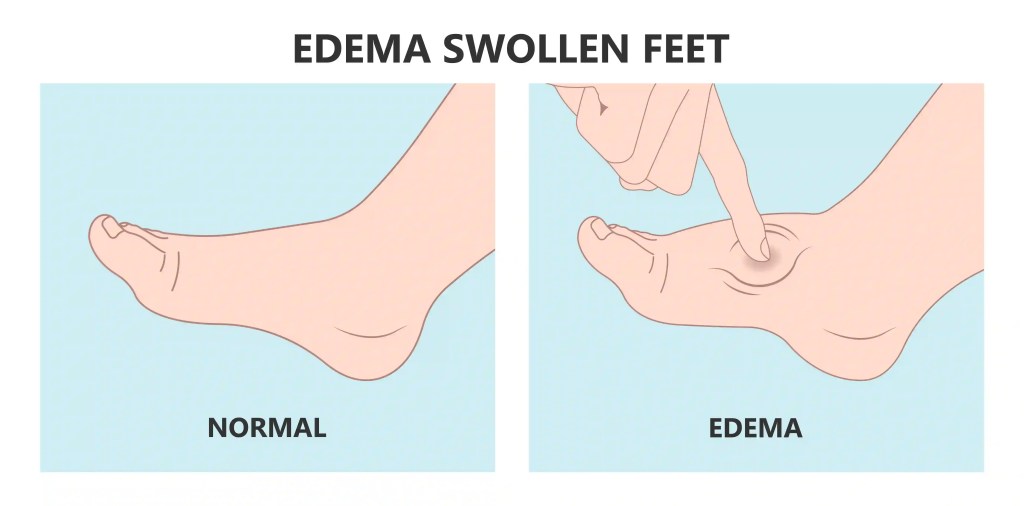
    When blood collects in the veins, pressure builds up and pushes fluid into surrounding tissues. This results in pitting edema—a type of swelling where pressing the skin leaves an indentation. Over time, this can lead to discomfort, difficulty walking, and skin breakdown if not addressed.


    Who Is at Risk?

    Certain individuals are more likely to develop venous insufficiency and leg swelling, including:

    • People over age 50
    • Pregnant women
    • Individuals with a family history of vein problems
    • Those who sit or stand for extended periods
    • People with obesity or a sedentary lifestyle

    Diagnosis and Evaluation

    If you’re experiencing leg swelling in Dubai, a thorough clinical assessment is essential. Doppler ultrasound is the gold standard for evaluating vein function and diagnosing CVI.


    Treatment Options in Dubai

    At Dubai Vein Specialist, we offer a full range of varicose vein treatment Dubai for leg swelling caused by venous insufficiency:

    • Compression therapy – First-line conservative treatment
    • Endovenous Laser Ablation (EVLA) – Minimally invasive, image-guided solution
    • Radiofrequency Ablation (RFA)
    • ClariVein – Non-thermal, gentle technique
    • Foam sclerotherapy

    Prevention Tips

    To minimize your risk of venous insufficiency and reduce leg swelling:

    • Avoid standing or sitting too long
    • Elevate your legs during rest
    • Wear compression stockings if advised
    • Maintain a healthy weight
    • Stay active with walking or swimming

    Frequently Asked Questions (FAQs)

    Q1: Can venous insufficiency go away on its own?
    A: No, venous insufficiency typically worsens over time if left untreated. Early management through lifestyle changes and medical treatments can significantly reduce symptoms and prevent complications.


    Q2: Is leg swelling always a sign of a vein problem?
    A: Not always. While venous insufficiency is a common cause, swelling can also result from lymphatic issues, heart conditions, kidney disease, or medications.


    Q3: Do I need surgery for venous insufficiency?
    A: Not necessarily. Many patients respond well to non-surgical treatments like compression therapy. A vascular specialist will recommend the most suitable approach based on your condition.


    When to See a Vascular Specialist

    If leg swelling is persistent, painful, or accompanied by skin changes, it’s time to consult a vascular expert. Early intervention leads to better outcomes and prevents long-term complications.


    Final Thoughts

    Leg swelling shouldn’t be ignored, especially when linked to venous insufficiency. Fortunately, effective treatments and diagnostic tools are available in Dubai. With early assessment and the right care plan, you can regain comfort, improve circulation, and reduce your risk of serious vein-related issues.

  • Understanding the Side Effects of Sclerotherapy for Spider Veins Treatment Dubai

    Is Sclerotherapy Safe for Spider Vein Treatment in Dubai?

    Sclerotherapy is widely used treatments for spider veins, especially in the legs and ankles. It involves injecting a specialized solution into small surface veins, causing them to collapse and eventually fade from view. But like any medical procedure, sclerotherapy can come with a few side effects. Most are mild and temporary, but understanding them can help you prepare—and feel confident—before treatment.

    In this article, we’ll cover the common, uncommon, and rare side effects of sclerotherapy, so you can make an informed decision before your appointment in Dubai.

    🔗 Trusted overview from Cleveland Clinic

    Leg spider vein sclerotherapy

    Common Side Effects (Mild & Temporary)

    These effects are expected and typically resolve within a few days to a few weeks:

    • Bruising – May appear at the injection site and fade naturally
    • Redness or irritation – Mild inflammation is normal and usually subsides quickly
    • Itching – The treated area may feel itchy for a few hours post-procedure
    • Skin discoloration – Temporary brownish pigmentation may develop in some patients
    • Small blood clots – Trapped blood may form minor lumps under the skin that dissolve over time

    👉 Learn more about sclerotherapy in Dubai


    Less Common Side Effects

    These are infrequent and might need medical attention or repeat procedures

    • Allergic reactions – Rare, but possible. In severe cases will need urgent medical attention
    • Matting – The appearance of very fine, red veins near the treated area
    • Ulceration – Skin breakdown or wound formation near injection site

    What to Do if You Experience Side Effects

    • Always seek medical advice from your healthcare professional
    • Most side effects are self-limiting
    • Apply cold compresses and elevate legs
    • Wear compression stockings as instructed
    • Contact your specialist if you notice prolonged pain, swelling, or discoloration


    Why Choose an Expert in Dubai for Sclerotherapy?

    Dr. Soroush Sohrabi is a UK-trained vascular surgeon who specializes in minimally invasive vein procedures. At his Dubai vein clinic, patients receive:

    • Detailed Doppler ultrasound mapping
    • Customized treatment plans

    👉 Meet Dr. Sohrabi


    Final Thoughts

    Sclerotherapy is a proven and well-tolerated treatment for spider veins. Understanding potential side effects helps you feel confident and prepared.

    📞 Book your consultation today and enjoy smoother, clearer legs in Dubai.

  • Sclerotherapy Dubai: A Gentle, Effective Solution for Spider Veins

    What Is Micro sclerotherapy?

    Micro sclerotherapy is a highly targeted treatment for small spider veins (thread veins). Using ultra-fine needles, a specialist injects a sclerosing solution that causes the vein walls to collapse and seal. Blood is redirected to healthier veins, and the treated ones gradually fade away.

    🔗 Learn more about sclerotherapy – Cleveland Clinic

    Micro sclerotherapy for spider veins in the leg

    Who Needs Micro sclerotherapy?

    This treatment is best for:

    • Patients with superficial spider/thread veins on the legs or ankles
    • People seeking cosmetic improvement
    • Those without clotting disorders or contraindications

    👉 See your spider vein treatment options


    What to Expect During the Procedure

    • Fine needles deliver the solution directly into small veins
    • Minimal discomfort and no anesthesia needed
    • Quick recovery—compression stockings may be worn for a few days

    📍 View our compression therapy page


    Benefits

    • Minimally invasive
    • No downtime
    • Tailored to aesthetics-conscious patients in Dubai

    Recovery and Results

    • Return to work and walking immediately
    • Avoid heat, sun, and heavy activity for 7 days

    Why Dr. Soroush Sohrabi?

    • UK-trained consultant vascular surgeon
    • Specialist in minimally invasive treatments
    • Offers personalized care with ultrasound-guided mapping

    👉 Meet Dr. Soroush Sohrabi

    👉 Visit Dubai Vein Specialist for further information


    Final Thoughts

    Micro sclerotherapy dubai is an ideal choice for patients who want to remove spider veins safely and comfortably. Whether for medical reassurance or cosmetic enhancement, it’s a proven method with lasting results.

    📞 Book your consultation today and restore confidence in your legs.

  • Habits That Make Spider Veins Worse in Dubai (And What to Do Instead)

    Everyday Mistakes That Can Impact Your Vein Health in Dubai

    Spider veins might seem like a cosmetic issue—small red, blue, or purple lines beneath the surface of the skin.


    1. Sitting or Standing for Long Periods

    Problem: Prolonged sitting or standing can slow down circulation and increase pressure in your leg veins.
    Solution: Take short walks every hour, flex your calves, or shift your weight regularly.


    2. Wearing High Heels or Tight Clothing

    Problem: High heels limit calf movement; tight clothing restricts blood flow.
    Solution: Wear comfortable shoes with low heels, avoid tight elastic bands, and try compression stockings.


    3. Crossing Your Legs

    Problem: It looks elegant but can restrict circulation.
    Solution: Keep feet flat or elevate your legs when relaxing.


    4. Lack of Physical Activity

    Problem: Weak calf muscles can’t help pump blood upward.
    Solution: Walk, cycle, swim, or stretch daily for circulation support.

    Exercise can help venous return

    5. Excess Weight or Poor Diet

    Problem: Added pressure on veins and inflammation from poor nutrition.
    Solution: Maintain a balanced, low-salt diet and stay hydrated.


    6. Excess exposure to sun

    Problem: Excess sun exposure can make spider veins worse
    Solution: Limit direct sun exposure in Dubai’s climate.


    7. Ignoring Early Symptoms

    Problem: Symptoms like itching, swelling, or mild leg fatigue may signal underlying venous issues such as chronic venous insufficiency or early varicose/spider vein development.
    Solution: Don’t ignore these signs—early intervention leads to better outcomes.
    📍 Book a consultation with Dr. Soroush Sohrabi.
    🔗 Learn more about spider veins from Cleveland Clinic.


    Final Thoughts

    Everyday habits—especially in Dubai’s climate—can either worsen or improve spider veins. Stay proactive by adjusting posture, diet, and movement. For personalized care, visit:


  • Spider Veins vs. Varicose Veins: What’s the Difference?

    Understanding the Key Differences in Symptoms, Risks, and Treatment Options

    Spider veins and varicose veins are often mistaken for one another—they differ in size, symptoms, and health implications. If you’re noticing thin red veins or bulging blue ones on your legs, it’s important to understand which condition you may be dealing with.

    In this blog, we’ll explore the difference between spider veins and varicose veins, what causes them, and what treatment options are available in Dubai.

    Spider veins

    What Are Spider Veins?

    Spider veins, or telangiectasias, are small, thin blood vessels that appear close to the surface of the skin. They often look like red, blue, or purple lines or webs. Spider veins are typically painless and are mostly considered a cosmetic concern.

    Common Locations:

    • Thighs
    • Calves
    • Ankles
    • Face

    Typical Causes:

    • Genetics
    • Hormonal changes (pregnancy, birth control)
    • Prolonged standing or sitting
    • Sun exposure
    • Venous insufficiency


    What Are Varicose Veins?

    Varicose veins are larger, swollen, and twisted veins that often bulge above the skin surface. They are caused by damaged vein valves, which allow blood to pool and veins to stretch.

    These veins can be painful and may indicate chronic venous insufficiency (CVI), a more serious condition requiring treatment.

    Common Symptoms:

    • Aching or heaviness in the legs
    • Swelling in ankles or calves
    • Throbbing or cramping
    • Skin discoloration or eczema

    Common Causes:

    • Genetics
    • Obesity
    • Pregnancy
    • Prolonged standing
    • Aging

    👉 Explore varicose vein symptoms and causes


    How Are They Different?

    FeatureSpider VeinsVaricose Veins
    SizeSmall, thread-likeBulging, rope-like
    ColorRed, blue, or purpleBlue or dark purple
    LocationSurface of skin (legs, face)Legs, behind knees, thighs
    SymptomsUsually painlessMay have pain, swelling, cramps, heaviness
    Medical ConcernMostly cosmeticOften medical, linked to CVI

    Should You Be Concerned?

    While spider veins are generally harmless, varicose veins can lead to complications like:

    • Venous ulcers
    • Skin thickening or discoloration
    • Superficial thrombophlebitis

    Early diagnosis with Doppler ultrasound is key to determining whether you have a cosmetic issue or there is venous insufficiency.

    👉 Book your Doppler assessment


    Treatment Options in Dubai

    Whether you have spider veins or varicose veins, treatment options are available:

    Spider Vein Treatments

    • Microsclerotherapy
    • Laser treatment

    Varicose Vein Treatments

    • Endovenous Laser Ablation (EVLA)
    • Radiofrequency Ablation (RFA)
    • ClariVein® MOCA
    • Phlebectomy

    Final Thoughts

    Spider veins and varicose veins may appear similar at first glance, but they differ significantly in their impact on your health.

    If you’re unsure which you have, or you’re experiencing symptoms like leg heaviness or pain, it’s time to consult a vascular expert.

    📍 Contact Dr. Soroush Sohrabi, Consultant Vascular Surgeon at Dubai Vein Specialist, for a personalized assessment.

    👉 Visit Dubai Vein Specialist to learn more and schedule your consultation today.

    Learn more about Spider veins at Celveland Clinic.

  • What Are Spider Veins in Dubai and Should You Be Concerned?

    A Guide to Understanding and Treating Spider Veins in Dubai

    If you’ve noticed thin red, blue, or purple lines spreading across your legs, you’re not alone. These small, visible veins, often resembling spider webs, are a common cosmetic and vascular concern—especially in a climate like Dubai’s, where heat and long hours on your feet can worsen circulation.

    In this blog, we’ll explain what spider veins are, why they form, whether you should be concerned, and what treatment options are available right here in Dubai.

    Leg Spider veins

    What Are Spider Veins?

    Spider veins (telangiectasias) are small, dilated blood vessels that appear close to the surface of the skin. Unlike varicose veins, they do not bulge, but they can still be a cosmetic concern.

    Common signs include:

    • Red, purple, or blue lines that spread like branches
    • Most often appear on thighs, calves, ankles, or face

    What Causes Spider Veins?

    Spider veins could be as a result of chronic venous insufficiency or they can appear due to skin injury such as sun exposure or hormonal changes

    In Dubai, sun exposure and prolonged standing—especially in certain professions—can contribute to the development or worsening of spider veins.


    Are Spider Veins a Medical Concern?

    In most cases, spider veins are not dangerous. They are usually cosmetic, but they can indicate early-stage chronic venous insufficiency or accompany deeper vein issues, They can also be accompanied by leg swelling if there venous insufficiency.

    A vascular surgeon can use Doppler ultrasound to determine if deeper venous problems are present.


    How Are Spider Veins Treated?

    At Dubai Vein Specialist, we offer several modern treatments:

    • Micro sclerotherapy – Ideal for smaller veins
    • Laser treatment of the spider veins

    All treatments are minimally invasive and performed on an outpatient basis.


    Can Spider Veins Be Prevented?

    While not all spider veins can be prevented, you can reduce your risk by:

    • Moving regularly and avoiding long periods of standing or sitting
    • Wearing compression stockings during the day
    • Elevating your legs when resting
    • Maintaining a healthy weight and staying hydrated
    • Avoid prolong sun exposure

    These simple habits can make a big difference, especially in Dubai’s high-temperature environment.


    When to See a Specialist

    If your spider veins are spreading, causing discomfort, or affecting your confidence, it’s time to consult a vein expert.

    📍 Book a consultation with Dr. Soroush Sohrabi, Consultant Vascular Surgeon at Dubai Vein Specialist, and learn more about safe and effective treatment options tailored to your condition.


    Final Thoughts

    Spider veins are common and often harmless, but they can be a sign that your circulation needs attention. Whether you want clearer legs or peace of mind, professional evaluation and treatment can make a real difference.

    👉 Learn more about spider veins from the Cleveland Clinic
    👉 Visit dubaiveinspecialist.com to take the first step toward healthier-looking legs today.

  • Compression Therapy for Varicose Veins Treatment Dubai: Does It Really Work?

    Exploring the Effectiveness of Compression Stockings in Managing Varicose Veins in Dubai

    Compression therapy is often recommended as a first-line, non-invasive treatment for varicose veins and people looking for varicose vein treatment Dubai. But how effective is it really? And should you consider it if you’re experiencing leg swelling, aching, or visible veins?

    At Dubai Vein Specialist, we break down how compression therapy works, who it helps, and whether it can truly prevent the progression of venous disease.

    Compression socks

    What Is Compression Therapy?

    Compression therapy involves wearing specially designed stockings that apply graduated pressure to the legs. These stockings help support the veins and improve blood flow by:

    • Reducing pressure buildup in the veins
    • Preventing blood from pooling

    This is especially beneficial in Dubai, where long periods of standing, sitting, or heat-induced swelling are common.


    When Is Compression Therapy Recommended?

    Compression stockings are commonly used for:

    • Early-stage varicose veins
    • Pregnancy-related vein issues
    • Long-haul travel and flights
    • Post-treatment recovery after EVLA, RFA, or sclerotherapy
    • Patients not yet ready for or needing surgical treatment

    They are also useful for help with symptoms such as:

    • Leg fatigue
    • Mild swelling
    • Cramping
    • Skin irritation

    What the Evidence Says

    Studies show that compression therapy does not eliminate varicose veins, but it does help to reduce symptoms like aching, swelling, and discomfort. It is often used in combination with lifestyle changes or other treatments.

    In clinical settings, compression is also used post-procedure to improve recovery and maintain vein closure after ablation or sclerotherapy.

    According to the Mayo Clinic, compression therapy is a safe and effective management option that can delay progression and improve comfort.


    Types of Compression Stockings

    At Dubai Vein Specialist, we recommend medical-grade, graduated compression stockings that are fitted based on:

    • Compression level (measured in mmHg)
    • Your vein condition
    • Leg shape and length

    We typically suggest wearing them:

    • During the day while standing or sitting
    • On long flights
    • After any vein treatment

    Your vascular surgeon may guide you on the correct fit and duration.


    Pros and Cons

    Pros:

    • Non-invasive and drug-free
    • Relieves discomfort
    • Safe during pregnancy
    • Supports long-term vein health

    Cons:

    • Not a cure for vein disease
    • Needs to be worn consistently
    • May feel uncomfortable in hot climates (lighter versions are available)

    When to Consider More Advanced Treatment

    If your varicose veins are worsening, or symptoms persist despite compression, you may be a candidate for varicose vein treatment Dubai:

    • Endovenous Laser Ablation (EVLA)
    • Radiofrequency Ablation (RFA)
    • ClariVein® MOCA
    • Foam Sclerotherapy

    These are minimally invasive procedures performed in our Dubai clinic with excellent outcomes.


    Final Thoughts

    Compression therapy is a proven way to manage the symptoms of varicose veins, particularly in the early stages or alongside advanced treatments. While it may not “cure” the condition, it plays a key role in controlling discomfort and improving circulation.

    If you’re in Dubai and wondering if compression stockings are right for you, schedule a consultation at Dubai Vein Specialist today. We’ll help assess your veins and recommend the most effective plan for your long-term vascular health.