Tag: Doppler ultrasound Dubai

  • Peripheral Arterial Disease (PAD) Risk Factors: What You Should Know in the UAE

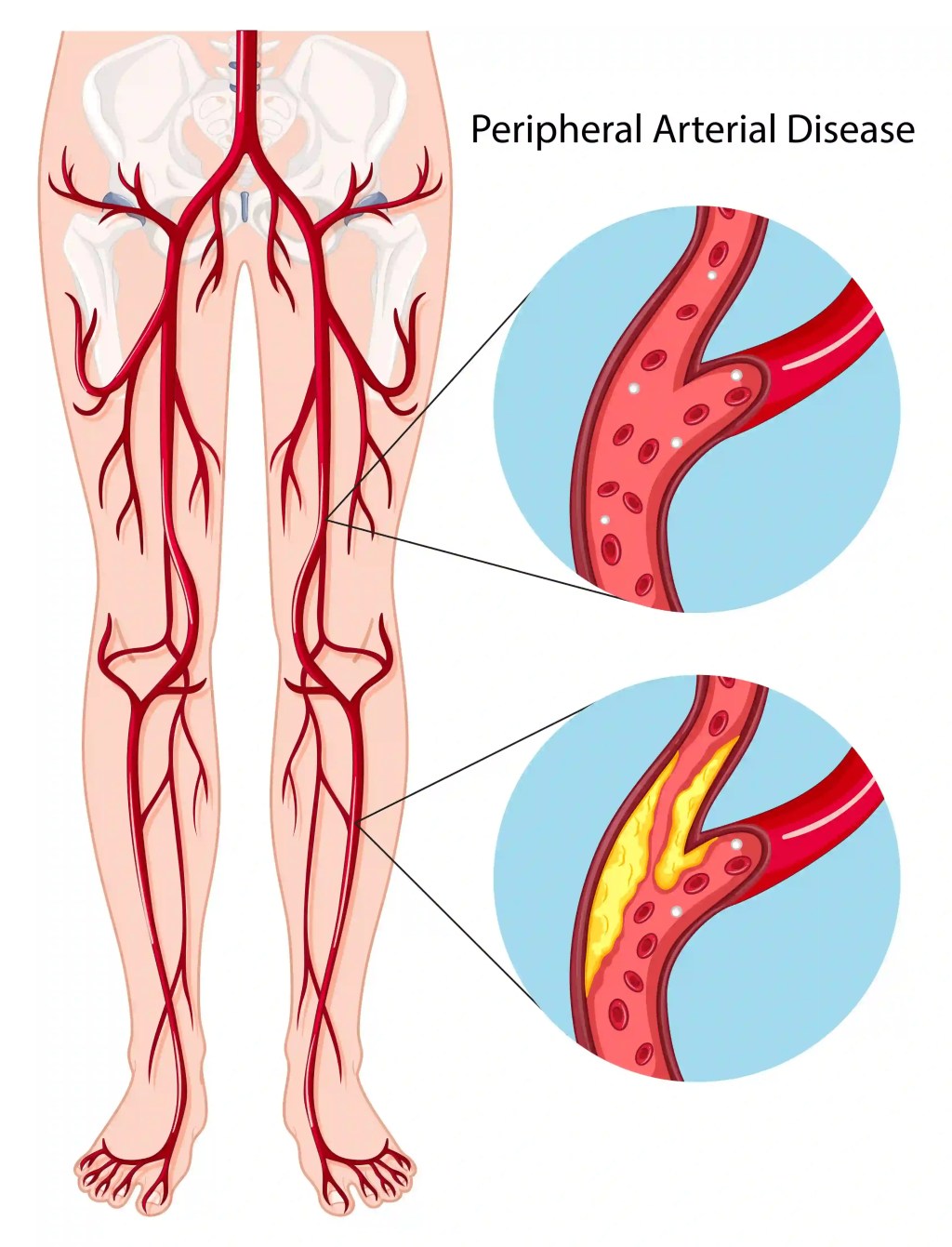
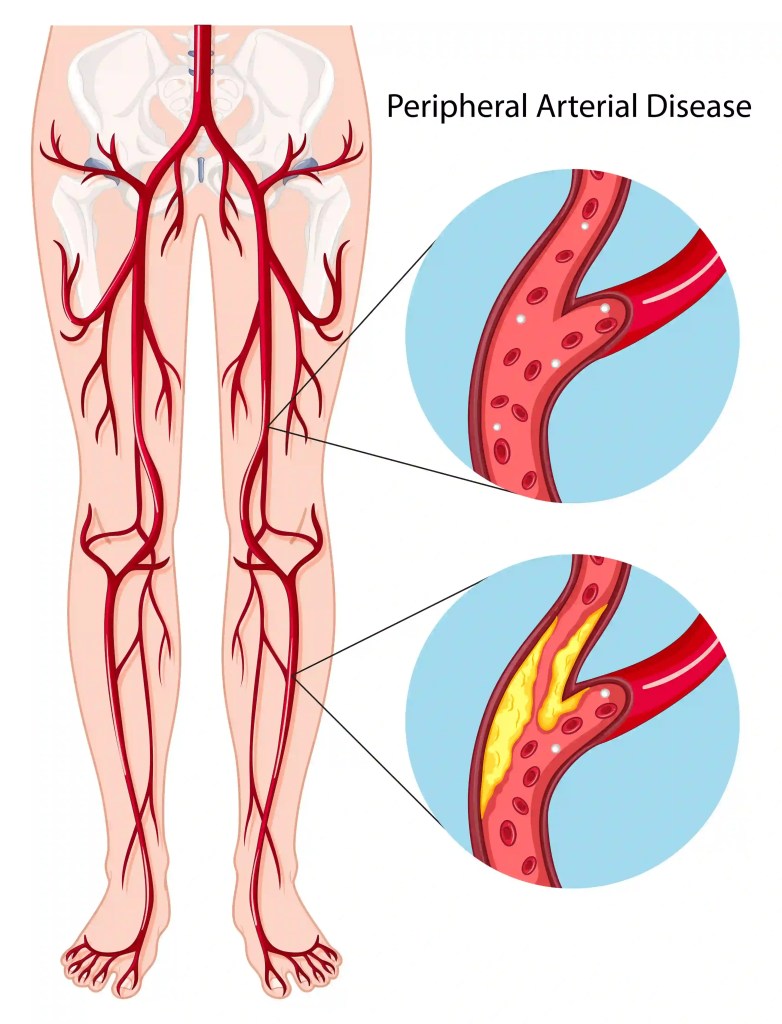
    Peripheral Arterial Disease (PAD) is a circulatory condition that occurs when arteries become narrowed or blocked due to plaque buildup, restricting blood flow to the limbs. Understanding the risk factors that contribute to PAD is critical for prevention, early diagnosis, and effective treatment.

    In the UAE, lifestyle-related health conditions such as diabetes, high cholesterol, and hypertension are prevalent, contributing to increased awareness and diagnoses of PAD.

    Peripheral artery disease

    Why Risk Factors Matter

    Risk factors don’t just raise your chances of developing PAD—they can influence how quickly the condition progresses and how severe the symptoms become. Identifying and addressing these factors early can delay onset, reduce complications, and improve overall vascular health.

    Major Risk Factors for PAD

    Below are the most significant contributors to PAD, many of which are common and preventable:

    • Diabetes: Chronic high blood sugar can damage blood vessels and impair circulation.
    • Smoking: Tobacco use accelerates arterial damage and increases the likelihood of blood clots.
    • High Blood Pressure (Hypertension): Over time, increased pressure weakens arterial walls.
    • High Cholesterol: Excess cholesterol leads to plaque buildup inside arteries.
    • Obesity: Excess weight contributes to hypertension, diabetes, and sedentary habits.
    • Age Over 50: Risk increases with age, particularly when combined with other conditions.
    • Family History of Vascular Disease: A genetic predisposition can raise your risk.

    Diagnosing PAD in At-Risk Individuals

    Early detection in high-risk individuals is key. Doppler ultrasound, and ankle-brachial index (ABI) test are very useful as initial tests to determine the presence of PAD.

    Learn more from Mayo Clinic

    Reducing Your Risk: Lifestyle Modifications That Work

    Making the following changes can significantly reduce your PAD risk:

    • Stop smoking completely
    • Manage diabetes through diet, exercise, and medication
    • Keep cholesterol and blood pressure under control
    • Eat a balanced, heart-healthy diet
    • Incorporate regular walking or low-impact aerobic activity

    When to See a Specialist

    If you fall into one or more of the high-risk categories listed above, it’s important to consult a vascular specialist even if symptoms are mild or absent. Early PAD can be silent but may progress to serious complications like ulcers, gangrene, or limb loss.

    What to do if you are in the UAE / Dubai

    Risk factor management and early intervention are central to PAD care. In Dubai, consultants such as Dr. Soroush Sohrabi, a UK-trained vascular surgeon, provides tailored assessments and minimally invasive treatments for patients at risk. His approach is rooted in evidence-based care, international fellowship training, and patient education.

    Book a Vascular Risk Assessment

    If you are concerned about your risk for PAD, early evaluation can make all the difference. Visit www.vascular-surgeon.ae to book a consultation with Dr. Soroush Sohrabi.


    FAQs

    Q: I have diabetes—should I be screened for PAD?
    A: Yes. Diabetics are at significantly higher risk and should undergo regular vascular assessments.

    Q: Does quitting smoking reduce my risk even if I smoked for years?
    A: Absolutely. Quitting at any stage slows arterial damage and improves circulation.

    Q: Can PAD be prevented entirely?
    A: While not all cases can be prevented, managing risk factors can delay onset and reduce severity.

    Q: Are PAD risk factors the same as heart disease risk factors?
    A: Many are shared, including smoking, hypertension, and high cholesterol. PAD often coexists with coronary artery disease.
  • Peripheral Arterial Disease (PAD) in the UAE: What You Need to Know

    Peripheral Arterial Disease (PAD) in the UAE: What You Need to Know

    Peripheral Arterial Disease (PAD) in the UAE: What You Need to Know

    Peripheral Arterial Disease (PAD) is a circulatory condition that affects blood flow to the limbs, most commonly the legs. It occurs when arteries become narrowed or blocked due to plaque buildup, reducing oxygen-rich blood supply. While often overlooked, PAD can lead to serious complications if not diagnosed and treated early. In the UAE, the prevalence of risk factors such as diabetes, smoking, and sedentary habits has contributed to an increased awareness and diagnosis of Peripheral Arterial Disease (PAD) as a growing vascular concern

    Peripheral Artery Disease

    Early Signs and Symptoms

    PAD can develop gradually and may go unnoticed in its early stages. Common symptoms include:

    • Leg pain or cramping during walking (claudication)
    • Numbness or weakness in the legs
    • Coldness in the lower leg or foot
    • Slow-healing sores on the toes, feet, or legs
    • Changes in skin colour or loss of hair on the legs

    These symptoms are often dismissed as signs of aging or fatigue, but they may indicate serious arterial narrowing. If you experience any of these signs, early vascular evaluation is essential.

    Risk Factors for PAD

    The following conditions significantly increase the risk of developing PAD:

    • Diabetes
    • Smoking
    • High blood pressure
    • High cholesterol
    • Obesity
    • Age over 50
    • Family history of vascular disease

    PAD is more common in individuals with multiple cardiovascular risk factors. In particular, diabetic patients in the UAE are at elevated risk due to the impact of high blood sugar on arterial walls.

    Understanding the Progression of PAD

    Without timely intervention, PAD can progress from mild symptoms to critical limb ischemia—a condition in which blood flow to the extremities becomes severely compromised. This may lead to non-healing wounds, infections, tissue loss, and eventually amputation. Early diagnosis and treatment are essential to prevent these outcomes and preserve limb function.

    Diagnosis and Assessment

    Early detection of PAD is crucial. Diagnosis typically involves a combination of physical examination and diagnostic imaging. A Doppler ultrasound is often used to assess blood flow and identify arterial blockages. In some cases, an ankle-brachial index (ABI) test or CT angiography may be required.

    Learn more from Mayo Clinic

    PAD Treatment Options in Dubai

    Treatment for PAD depends on the severity of the condition. Options include:

    • Lifestyle changes: Quitting smoking, adopting a balanced diet, managing blood sugar and cholesterol levels, and engaging in a regular walking program can significantly improve symptoms and slow disease progression.
    • Medication: Antiplatelet drugs (e.g., aspirin or clopidogrel) may be prescribed to reduce the risk of clot formation. Cholesterol-lowering drugs (statins), antihypertensives, and medications to improve walking distance (cilostazol) are also common.
    • Minimally invasive procedures: In cases where blood flow is severely restricted, image-guided procedures such as angioplasty (using a balloon to open the artery) or stenting (placing a mesh tube to keep the artery open) are effective.
    • Surgical intervention: In advanced cases, bypass surgery may be required to reroute blood flow around the blocked arteries.

    Dr. Soroush Sohrabi, a UK-trained consultant vascular surgeon in Dubai, offers a comprehensive range of PAD treatments tailored to each patient’s needs. His expertise in minimally invasive techniques ensures better outcomes with shorter recovery times, allowing patients to return to daily life quickly and safely.

    “One of my patients, a 62-year-old man with longstanding diabetes and smoking history, presented with calf pain, non-healing foot ulcers, and visible skin changes. A Doppler assessment revealed multiple areas of arterial narrowing. The patient underwent angioplasty with stenting, followed by a supervised walking program. Within three weeks, his ulcers healed significantly, and he was able to walk longer distances without pain.”

    Preventing PAD: What You Can Do

    Prevention is crucial, especially for individuals with risk factors. Here are some steps to lower your risk:

    • Stop smoking immediately
    • Maintain a healthy weight and BMI
    • Monitor and control blood sugar if diabetic
    • Manage blood pressure and cholesterol through medication and diet
    • Exercise regularly, especially walking
    • Avoid prolonged periods of sitting or inactivity

    These changes not only reduce the risk of PAD but also improve heart health and overall circulation.

    PAD treatment in Dubai

    Peripheral Arterial Disease (PAD) requires careful evaluation and management by a qualified vascular specialist. In Dubai, consultants such as Dr. Soroush Sohrabi—trained in the UK, Australia, and the US—offer evidence-based care supported by modern diagnostic and minimally invasive treatment options.

    Book a Consultation

    If you or a loved one are experiencing symptoms of PAD, don’t delay treatment. Early diagnosis can prevent complications and preserve quality of life. Visit www.vascular-surgeon.ae to book your consultation with Dr. Soroush Sohrabi.


    FAQs

    Q: Is PAD the same as poor circulation?
    A: PAD is a form of poor circulation, specifically due to narrowed arteries restricting blood flow to the limbs.

    Q: Can PAD be cured?
    A: While PAD can’t be cured, it can be effectively managed through lifestyle changes, medication, and interventions.

    Q: Is PAD a serious condition?
    A: Yes. If untreated, it can lead to limb ischemia, ulcers, gangrene, or even amputation.

    Q: Does PAD only affect older adults?
    A: While PAD is more common in those over 50, younger individuals with diabetes, high cholesterol, or a smoking history are also at risk.

    Q: When should I see a vascular surgeon for PAD?
    A: If you experience leg pain while walking, skin discoloration, cold limbs, or non-healing wounds, it’s important to consult a vascular specialist as soon as possible.