Varicose veins are sometimes more than just a cosmetic concern. Over time, they may lead to changes in the skin—especially in the lower legs—due to chronic venous insufficiency (CVI). These skin changes can be uncomfortable, persistent, and in some cases, may progress to serious complications like venous ulcers.
In this blog, we’ll cover the most common skin changes caused by venous disease, what they mean, and how to treat them effectively.
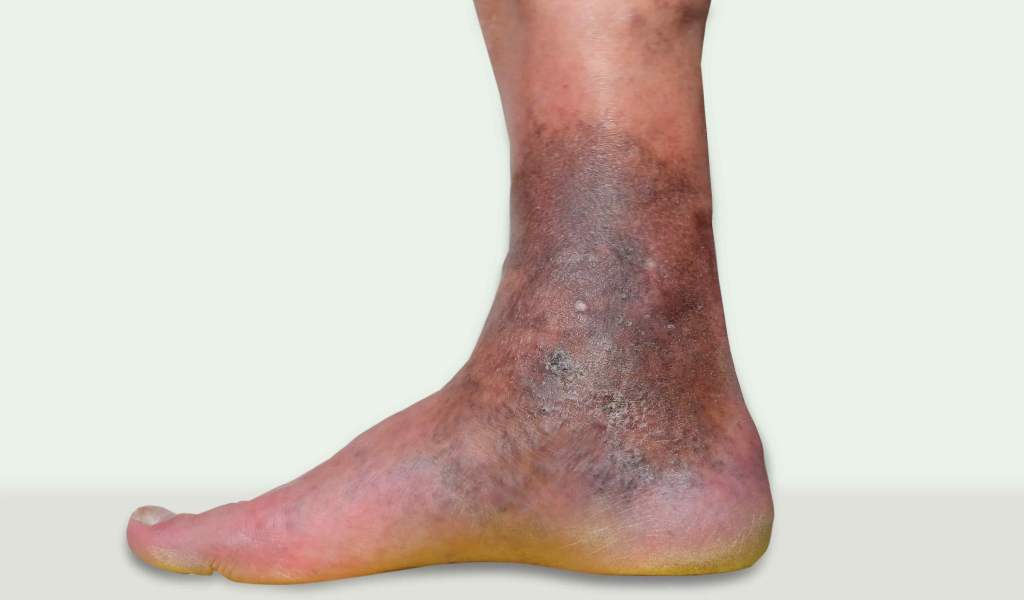
Why Do Varicose Veins Affect the Skin?
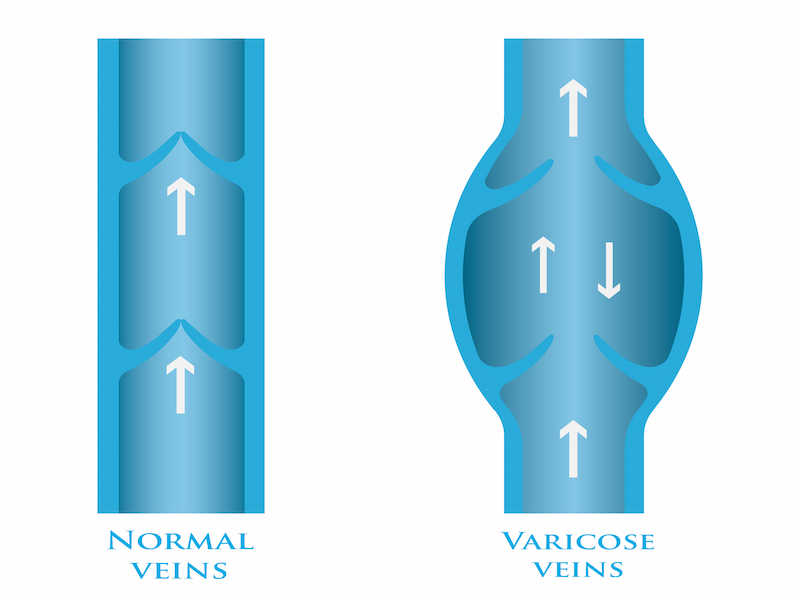
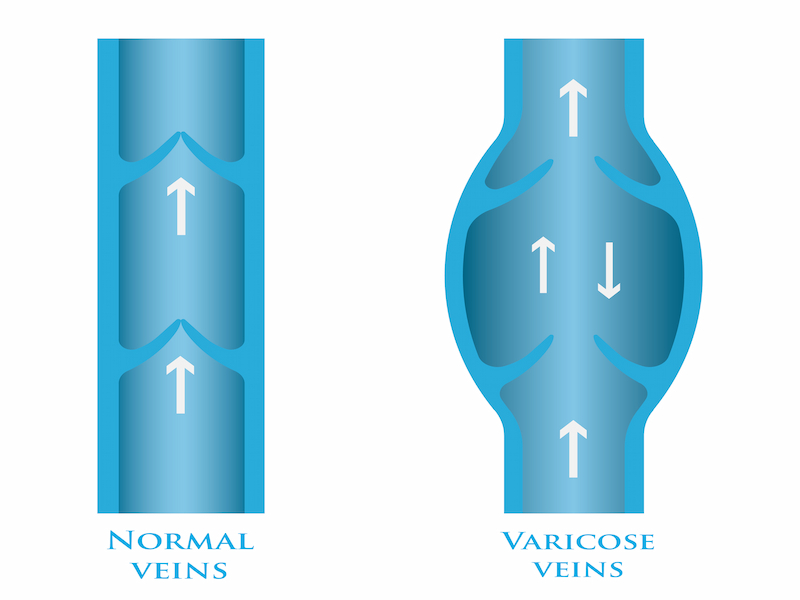
When vein valves fail to function properly, blood begins to pool in the veins, especially in the lower limbs. This leads to increased pressure and congestion in the venous system, damaging surrounding tissues over time.
As a result, the skin begins to show signs of distress—often starting with mild itching or discoloration and progressing to more serious issues such as eczema, thickening, or even open ulcers if left untreated.
Common Skin Changes Associated with Venous Insufficiency
🔵 1. Visible Varicose Veins
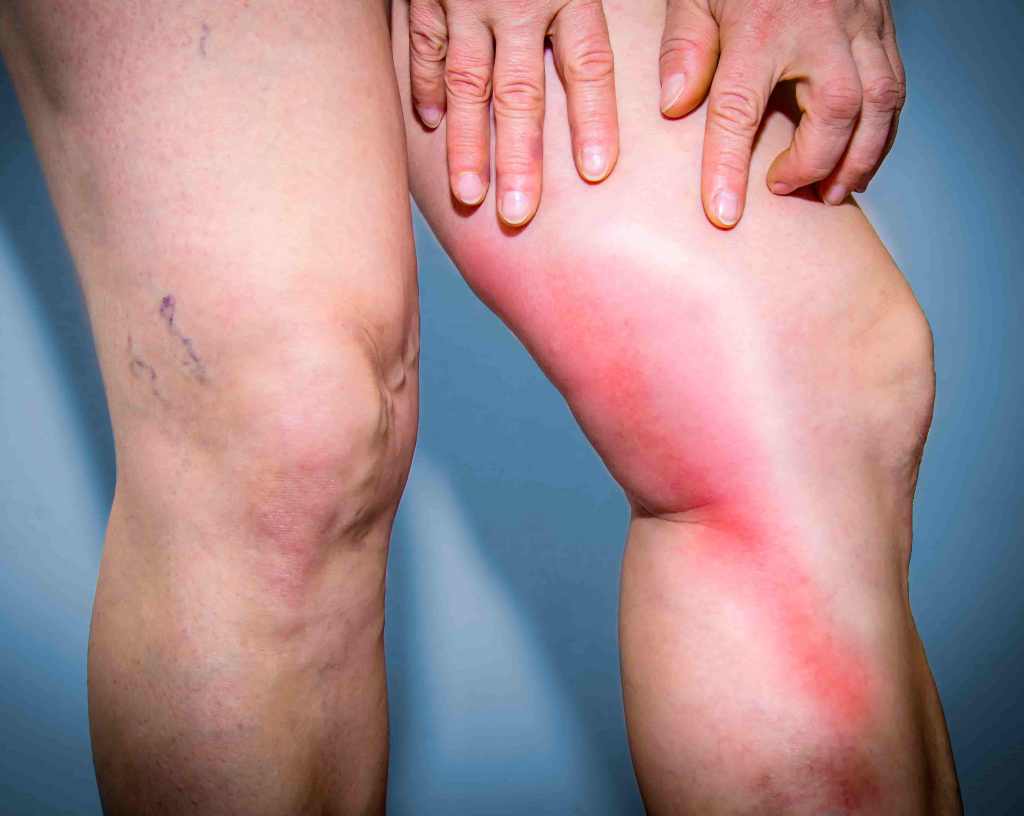
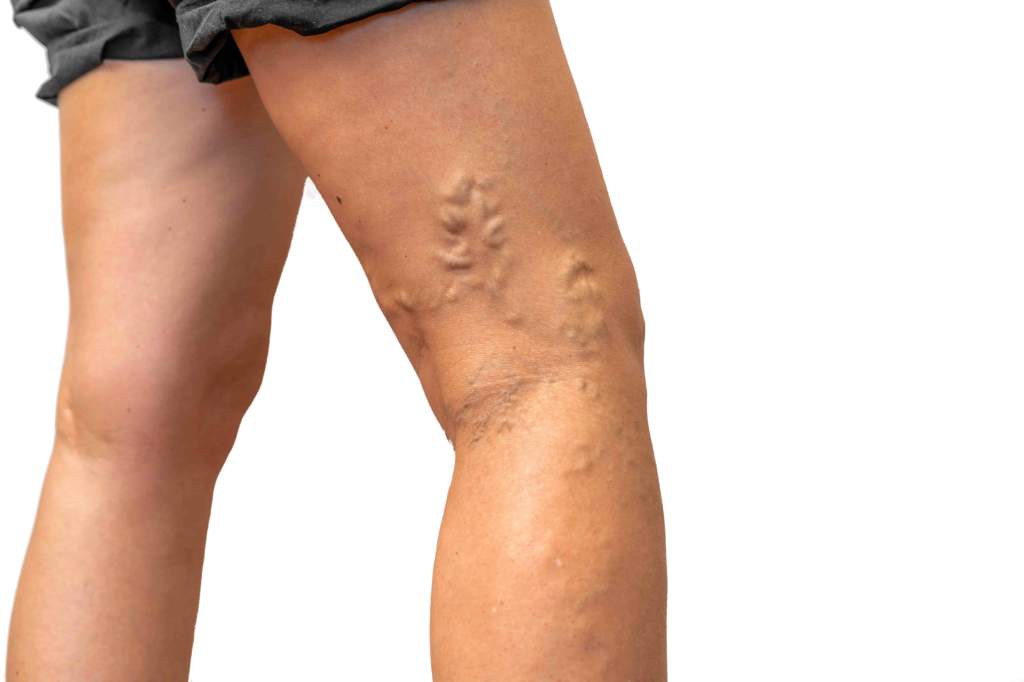
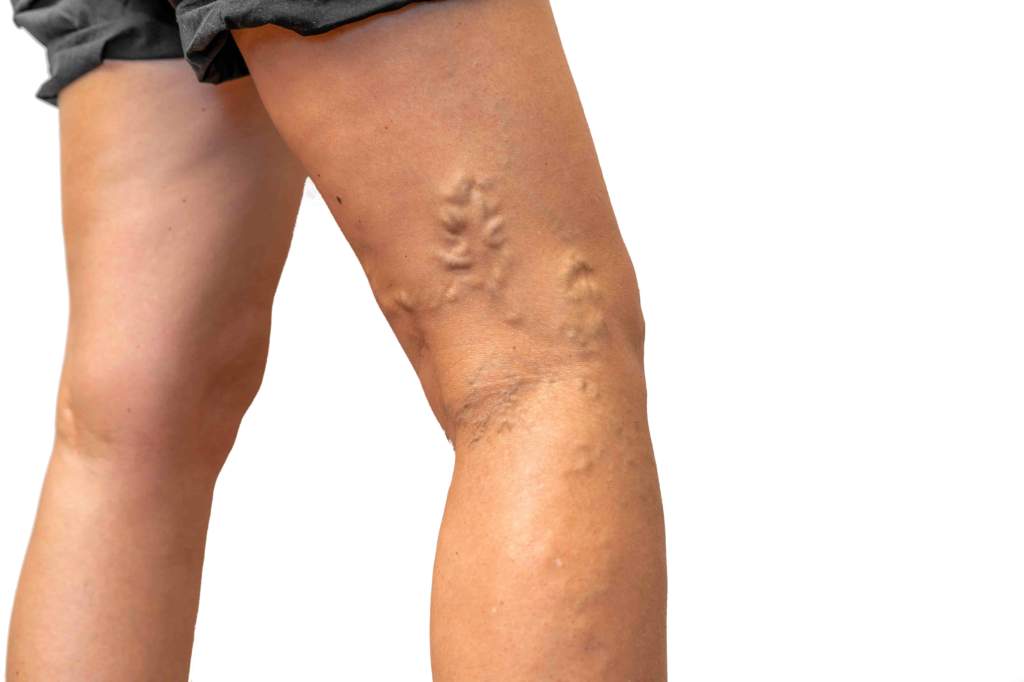
These are the most recognizable sign of vein disease. They appear as bulging, bluish or purple veins under the skin, most commonly in the legs. They may become more pronounced when standing, as gravity increases venous pressure in the legs.
🔵 2. Spider Veins and Thread Veins
Smaller than varicose veins, spider veins look like red or blue web-like patterns on the skin, often behind the knees or around the ankles. Though often seen as cosmetic, they may also signal underlying venous insufficiency.
🔵 3. Varicose Eczema (Stasis Dermatitis)
This inflammatory skin condition occurs when damaged veins cause fluid to leak into surrounding tissues.
Symptoms include:
- Redness
- Itching
- Dry or flaky skin
- Brownish discoloration (due to hemosiderin deposits)
If left untreated, varicose eczema can progress to skin hardening or ulceration. Treatment includes emollients, corticosteroid creams, and compression stockings—but lasting results often require treatment of the underlying varicose veins.
🔵 4. Hyperpigmentation
Also known as skin discoloration, this occurs when red blood cells leak into surrounding tissue. The iron from the cells leaves behind a brown or reddish-brown stain on the skin.
This is usually painless, but it’s a sign of chronic venous pressure—and a warning that more serious skin issues could develop.
🔗 Learn more about the causes of hyperpigmentation and vein disorders at the Mayo Clinic.
🔵 5. Corona Phlebectatica
This term refers to a fan-like network of tiny veins around the ankle or foot, usually red, blue, or purple. It’s considered an early indicator of advanced venous insufficiency and often appears alongside leg heaviness, swelling, and discomfort.
🔵 6. Lipodermatosclerosis
This condition involves:
- Skin hardening
- Inflammation and fibrosis (scarring of the fat beneath the skin)
- A tell-tale “inverted champagne bottle” appearance of the lower leg, where the ankle narrows due to tissue thickening
It can be painful and restrict mobility. Addressing the underlying venous disease is essential to prevent worsening and ulcer formation.
🔵 7. Venous Ulcers
Venous ulcers are open wounds that develop due to poor blood flow. They’re typically:
- Shallow
- Located near the ankles
- Surrounded by discolored, hardened, or swollen skin
Venous ulcers are often slow to heal and may become infected without proper management. Compression therapy, wound care, and vein procedures like endovenous laser therapy (EVLA) or sclerotherapy are key to healing and preventing recurrence.
How Are These Skin Changes Diagnosed?
A diagnosis typically includes:
- Visual examination of the affected area
- Review of symptoms like swelling, itching, or pain
- A Doppler ultrasound to assess vein function and check for venous reflux
This scan helps identify whether the cause is superficial varicose veins or a more serious venous insufficiency involving deeper veins.
Treatment Options for Skin Changes from Varicose Veins
Managing these skin changes involves both symptom relief and treating the underlying cause—venous insufficiency.
✅ Conservative Management:
- Moisturizers & emollients: For dryness and eczema
- Corticosteroid creams: For inflammation
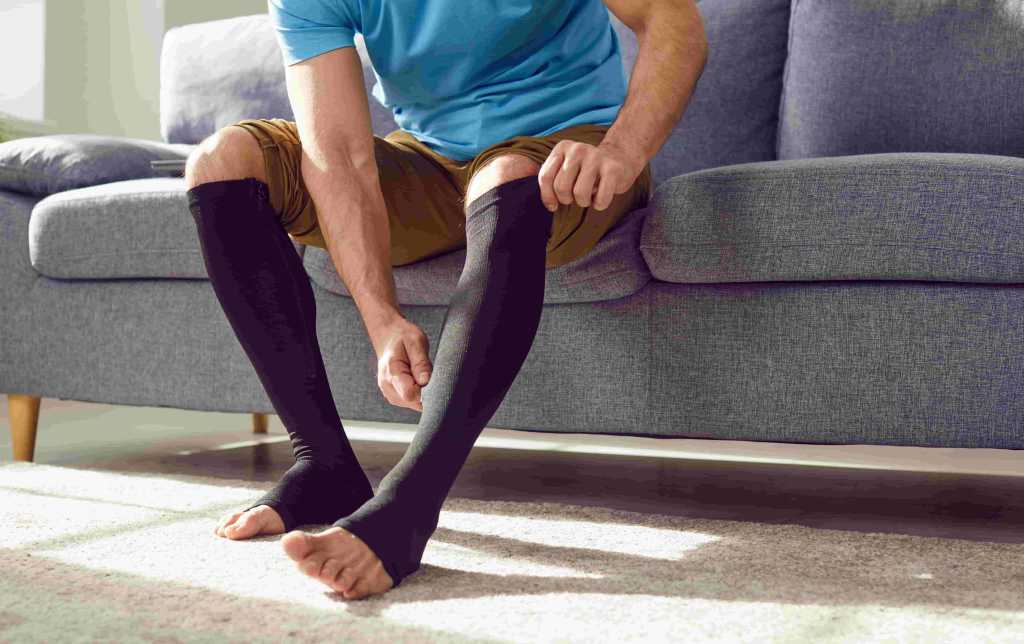
- Compression stockings: To improve blood flow
- Leg elevation & exercise: To support venous return
✅ Vein Treatments We Offer at Dubai Vein Specialist:
If your skin symptoms are tied to venous reflux or visible varicose veins, long-term improvement comes from treating the source.
We provide:
- Endovenous Laser Ablation (EVLA)
- Radiofrequency Ablation (RFA)
- ClariVein® mechanochemical ablation
- Foam Sclerotherapy
- TRLOP (for perforator veins)
- Venous surgery for complex cases
Each procedure is minimally invasive and performed by Dr. Soroush Sohrabi, a UK-trained Consultant Vascular Surgeon based in Dubai.
When to Seek Medical Help
You should seek vascular assessment if you experience:
- New or worsening skin discoloration
- Persistent itching, dryness, or redness
- Signs of skin hardening or thickening
- A slow-healing wound on your leg or ankle
Early diagnosis can help prevent the development of chronic skin complications and improve your long-term vein health.
Expert Skin & Vein Care in Dubai
At Dubai Vein Specialist, we offer personalized treatment for skin changes related to varicose veins and venous insufficiency.
Whether you’re dealing with spider veins, eczema, or early signs of ulceration, we offer advanced ultrasound scanning and minimally invasive vein treatments to restore both skin health and vascular function.
📍 Visit our clinic at Liv Hospital, City Walk Dubai
📞 Book your consultation today
FAQ
Q: What are the earliest skin changes caused by varicose veins?
A: The signs often include dryness, itching, and mild brownish discoloration, especially around the ankles.
Q: Can skin discoloration from varicose veins be reversed?
A: In early stages, yes. If treated promptly with vein procedures and compression therapy, some skin changes — including mild eczema — can improve significantly.
Q: Does every person with varicose veins develop skin changes?
A: Not always. Some people have visible varicose veins without any skin issues..

You must be logged in to post a comment.