Category: Uncategorized

  • Vascular Surgery in Dubai: A Patient’s Guide to Treatment, Expertise, and Choosing the Right Specialist

    Vascular surgery is a specialized branch of medicine that deals with diseases affecting the blood vessels—arteries, veins, and lymphatics—excluding those of the heart and brain. In a dynamic city like Dubai, where access to advanced healthcare is readily available, patients facing vascular conditions can benefit significantly from modern diagnostics and minimally invasive interventions—when guided by a qualified vascular specialist.

    This article explores what vascular surgery involves, who needs it, and how to choose the right vascular surgeon in Dubai. It also highlights the professional background and approach of Dr. Soroush Sohrabi, a UK-trained consultant vascular and endovascular surgeon practicing in Dubai.

    Surgeons team working with Monitoring of patient in surgical operating room

    What Is Vascular Surgery?

    Vascular surgery encompasses the diagnosis and management of conditions affecting the arterial, venous, and lymphatic systems. These range from life-threatening arterial blockages to chronic venous insufficiency and cosmetic vein concerns.

    Common vascular conditions include:

    • Peripheral Artery Disease (PAD)
    • Aneurysms (abdominal and peripheral)
    • Varicose veins and spider veins
    • Deep Vein Thrombosis (DVT)
    • Diabetic foot complications
    • Carotid artery disease
    • Venous ulcers and lymphedema

    Patients can access comprehensive treatment for these conditions through vascular-surgeon.ae, a trusted source for vascular care in the UAE and beyond. The clinic uses advanced imaging, minimally invasive techniques, and personalized care to deliver the highest standards in vascular health.


    When Should You See a Vascular Surgeon?

    A vascular surgeon specializes in restoring blood flow and protecting limbs and organs from vascular damage. Patients may be referred—or self-refer—when experiencing symptoms such as:

    • Leg pain while walking (claudication)
    • Visible varicose veins or spider veins
    • Swelling, discoloration, or heaviness in the legs
    • Non-healing wounds or ulcers on the feet
    • Numbness or coldness in limbs

    Early intervention can prevent complications such as limb loss, stroke, or arterial rupture.


    About Dr. Soroush Sohrabi

    Dr. Soroush Sohrabi is a DHA-licensed consultant vascular and endovascular surgeon with extensive training in the United Kingdom, along with fellowships in Australia and the United States. He is based in Dubai, where he treats both arterial and venous diseases using evidence-based, minimally invasive methods.

    Dr. Sohrabi’s practice includes patients from across the UAE and internationally. His approach emphasizes:

    • Precision diagnostics using Doppler ultrasound, ABI testing, and angiography.
    • Tailored treatment plans for each patient.
    • Minimally invasive interventions whenever appropriate.
    • Internationally standardized care delivered in Dubai hospitals.

    Learn more about Dr. Sohrabi


    How to Choose the Right Vascular Surgeon in Dubai

    When selecting a vascular specialist, consider the following factors:

    1. Training and Credentials

    Ensure the surgeon is board-certified with fellowship-level training in vascular and endovascular techniques. Dr. Sohrabi is internationally trained and licensed under the Dubai Health Authority (DHA).

    2. Advanced Diagnostic Capabilities

    Look for a clinic that offers non-invasive testing such as Doppler ultrasound, ankle-brachial index (ABI), and, if needed, angiograms to detect the severity and location of vascular disease.

    3. Range of Treatments

    Comprehensive vascular care includes:

    • Angioplasty and stenting
    • Bypass surgery
    • Radiofrequency and laser vein ablation
    • ClariVein® and foam sclerotherapy
    • Carotid endarterectomy
    • Endovascular aneurysm repair (EVAR)

    See all treatments

    4. Communication and Continuity of Care

    Effective surgeons clearly explain diagnoses, discuss options, and provide structured follow-up. Dr. Sohrabi’s clinic emphasizes direct consultant access and transparent care planning.


    What Makes Dr. Sohrabi’s Practice Unique?

    • ✅ International-standard vascular protocols tailored to Dubai’s healthcare system
    • ✅ Direct care from a UK-trained consultant
    • ✅ State-of-the-art imaging and minimally invasive procedures
    • ✅ A patient-first approach prioritizing safety and long-term outcomes
    • ✅ Convenient location in central Dubai

    Contact the Clinic


    Frequently Asked Questions (FAQs)

    Q1: Is vascular surgery always surgical?
    Not at all. Many conditions—especially venous ones—can be treated with non-surgical or minimally invasive methods, including angioplasty, sclerotherapy, and radiofrequency ablation.

    Q2: Do I need a referral to see a vascular surgeon in Dubai?
    No referral is required. Patients can book directly, particularly if they’re experiencing symptoms like leg swelling, non-healing wounds, or visible veins.

    Q3: How do I know if my leg pain is vascular?
    Vascular leg pain often worsens with walking and improves with rest. Diagnostic tools like the ankle-brachial index or Doppler ultrasound help confirm poor circulation.

    Q4: Are spider veins a vascular issue or just cosmetic?
    Spider veins can be a cosmetic concern, but they may also signal early venous insufficiency. A vascular evaluation helps determine if deeper veins are affected.

    Q5: What’s the advantage of choosing a UK-trained vascular surgeon in Dubai?
    UK-based training involves rigorous surgical standards and evidence-based care. Dr. Sohrabi integrates this background with personalized treatment in Dubai’s healthcare environment.


    Final Thoughts

    Vascular conditions—from cosmetic vein concerns to life-threatening arterial disease—require specialized expertise. Vascular surgery in Dubai is now accessible, precise, and patient-centered when delivered by experienced consultants like Dr. Soroush Sohrabi.

    📞 Schedule your consultation to explore safe, effective vascular care in the heart of Dubai.
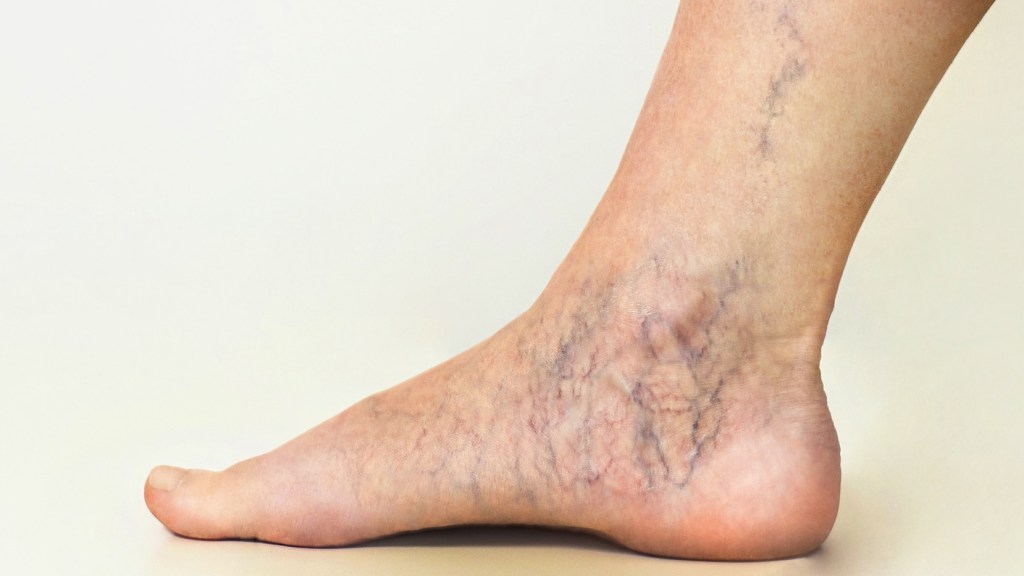
  • What Blue Veins Around Your Ankles Could Mean, Spider vein Dubai explains

    When you notice small, bluish veins or red spots spreading around your ankles, you might not think much of it at first.
    When you notice tiny bluish veins or red dots forming around your ankles, it might seem like a minor cosmetic issue. But in reality, this subtle skin change could be your body’s early signal of a deeper venous (related to veins) problem. These clusters of small veins are known as Corona Phlebectatica, and they often point to underlying chronic venous insufficiency (CVI)—a common cause of varicose veins and spider veins.

    If you’re living in Dubai and have seen these changes around your ankles, now is the time to take action. Left untreated, this condition can progress into more serious complications. In this blog, we’ll explain what corona phlebectatica is, what causes it, and the latest options for varicose vein treatment in Dubai and spider vein treatment in Dubai.

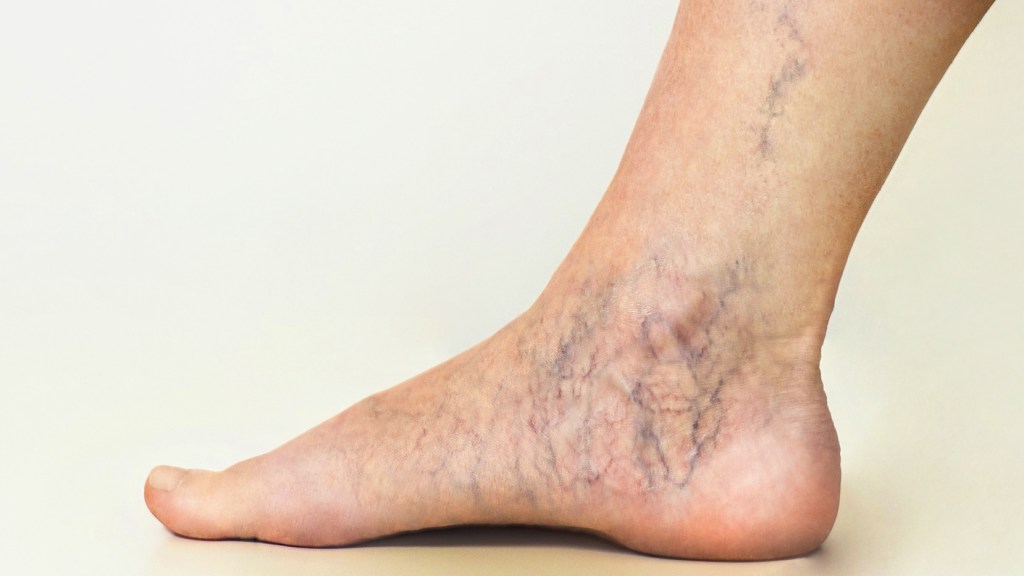
    Ankle veins or Chorona phlebectatica

    What Is Corona Phlebectatica?

    Corona phlebectatica is a medical term that refers to the appearance of dilated, visible veins around the ankle area. It’s often a telltale sign of early venous disease. These small veins tend to appear as:

    • Blue or purple spider-like veins
    • Red spots or blotchy skin patches
    • Tiny broken blood vessels (telangiectasias)
    • A fan-shaped network of veins on the inner ankle

    Although corona phlebectatica may not cause pain initially, it is typically one of the first visible markers of chronic venous insufficiency (CVI), a condition where blood flow in the veins is impaired, causing pressure to build and veins to stretch or weaken.


    Why You Shouldn’t Ignore It

    Think of corona phlebectatica as your skin’s early warning system. Whilst for many this is a cosmetic concern, it could be accompanied by other symptoms of CVI such as

    • Persistent leg swelling
    • Prominent varicose veins
    • Worsening spider veins
    • Skin changes like darkening or hardening
    • Itching or burning sensations
    • Venous leg ulcers

    In Dubai’s hot climate, many residents tend to wear open footwear, and the veins around the ankles become even more noticeable. Although Many residents seek treatment for cosmetic reasons, a growing number of people would like to have relief for accompanying symptoms.


    What Causes Corona Phlebectatica?

    Corona phlebectatica is typically caused by increased venous pressure in the legs, a hallmark of chronic venous insufficiency (CVI). In this condition, the valves in your veins that keep blood moving toward the heart become weak or damaged. As a result, blood begins to pool in the lower limbs, leading to:

    • Dilated superficial veins
    • Increased capillary pressure
    • Telangiectasia formation
    • Skin and tissue damage over time

    This is particularly common in individuals who stand or sit for long periods—like office workers, flight attendants, and hospitality staff in Dubai. Other contributing factors include:

    • Genetics
    • Pregnancy
    • Obesity
    • Lack of regular exercise
    • Hormonal changes
    • Prior episodes of deep vein thrombosis (DVT)

    How Is It Diagnosed?

    While corona phlebectatica can be identified through a simple visual examination, a deeper diagnosis is required to evaluate your venous system. That’s where a Doppler ultrasound comes in.

    This non-invasive imaging test helps vascular specialists assess:

    • Valve function in deep and superficial veins
    • Presence of venous reflux (backward blood flow)
    • Location of blood pooling or clot formation

    💡 If you’re in the UAE, getting a Doppler ultrasound in Dubai is quick, painless, and provides crucial information for creating an effective treatment plan.


    Varicose Vein and Spider Vein Treatment Options in Dubai

    Once corona phlebectatica is confirmed, the main goal is to treat the underlying venous insufficiency. In Dubai, residents now have access to some of the world’s most advanced vein care options, including minimally invasive procedures for spider vein treatment Dubai.

    1. Lifestyle Changes

    • Elevate your legs regularly
    • Stay active with walking or light exercise
    • Maintain a healthy weight
    • Avoid standing or sitting for long hours

    2. Compression Therapy

    Wearing graduated compression stockings is often the first line of treatment. These stockings help improve circulation, reduce swelling, and support vein function.

    👉 Learn more about compression therapy for varicose veins in Dubai

    3. Endovenous Treatments

    Modern vein clinics in Dubai now offer endovenous thermal ablation techniques, including:

    • Laser Treatment (EVLA) – Uses heat energy to seal off faulty veins
    • Radiofrequency Ablation (RFA) – Uses radio waves to collapse the damaged vein

    These procedures are performed under local anesthesia, with minimal discomfort and no hospital stay required.

    4. Non-Thermal Treatments

    If you prefer a non-thermal, non-tumescent option, ClariVein® (MOCA) is an excellent alternative. It combines mechanical agitation and chemical ablation to close the vein without using heat. Venaseal® or medical glue is also popular non-thermal treatment in Dubai.

    👉 Explore ClariVein® treatment in Dubai

    5. Spider Vein Treatment Options

    When spider veins are more prominent, especially around the ankle, specialized treatments may include:

    • Sclerotherapy – A solution is injected into the vein to collapse it
    • Skin laser therapy – Effective for superficial spider veins and red spots

    👉 Discover spider vein treatment options in Dubai


    When Should You See a Vascular Specialist?

    If you notice any of the following, it’s time to consult a vein specialist in Dubai:

    • Spider veins forming a fan-like pattern around your ankle
    • Aching, heaviness, or fatigue in your legs
    • Swelling that worsens at the end of the day
    • Discoloration, itching, or skin texture changes
    • A family history of vein problems or leg ulcers

    A vascular expert will not only diagnose the stage of your vein disease but also customize a treatment plan suited to your condition and lifestyle.


    Why Choose Treatment in Dubai?

    Dubai is quickly becoming a global hub for advanced vein treatments thanks to:

    • DHA-certified vascular surgeons
    • Access to state-of-the-art Doppler equipment
    • Minimally invasive, walk-in-walk-out procedures
    • Multilingual care teams
    • Comfortable recovery facilities

    Whether you are a resident or a medical tourist, Dubai offers world-class care with no waiting list.


    FAQs About Corona Phlebectatica and Vein Treatment

    ❓ Is corona phlebectatica dangerous?

    Not immediately—but it often indicates underlying chronic venous insufficiency, which can worsen if left untreated.

    ❓ Can it go away on its own?

    Unfortunately, no. These veins won’t disappear without medical intervention. Early compression therapy or vein laser treatments can stop progression.

    ❓ Are treatments painful?

    Most patients tolerate procedures like sclerotherapy, laser ablation, and ClariVein® very well. These are minimally invasive, performed under local anesthesia, and allow you to walk right after.

    Please visit Dubaiveincare.com for in depth answers to the most common questions regarding vein issues.


    Final Thoughts

    Corona phlebectatica is not just a skin issue—it’ could be an early signal for chronic venous insufficiency. Fortunately, with early diagnosis and modern treatments available in Dubai, you can address the issue before it becomes severe.

    Whether you’re seeking varicose vein treatment in Dubai or looking for the best spider vein treatment in Dubai, a consultation with a vascular specialist is the first step toward healthier legs and a better quality of life.


    📍 Book a Consultation Today

    Visit Dubai Vein Specialist to schedule a personalized vein assessment with a board-certified vascular surgeon.


    🔗 Recommended Reading:

    ClariVein®: A Gentle, Modern Option for Varicose Vein Treatment

    What Are Spider Veins and Should You Be Concerned?

    Compression Therapy for Varicose Veins: Does It Really Work?

  • What Are Leg Spider Veins in Dubai And What Is Your Skin Is Telling You

    Spider veins might seem like a purely cosmetic issue—tiny red, blue, or purple lines near the surface of the skin.
    But sometimes, your body is trying to tell you something deeper.

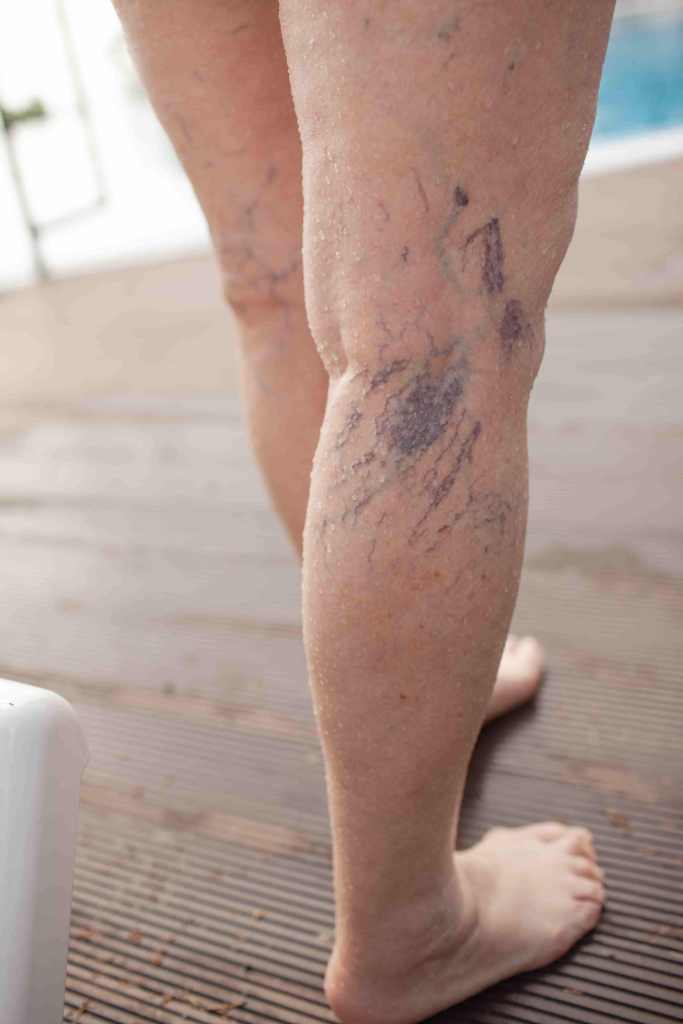
    Ankle Spider Veins

    What Are Spider Veins?

    Spider veins are tiny, dilated blood vessels visible beneath the skin’s surface.
    They often appear on the legs, ankles, or even the face, and are usually harmless.

    In many cases, they develop due to age, hormonal changes, pregnancy, sun damage, or genetic predisposition.
    However, when spider veins appear along with other symptoms, they may point to underlying vein disease.

    👉 Learn more about spider vein sclerotherapy Dubai.


    Are Spider Veins Just Cosmetic?

    Not always.
    While many spider veins are purely aesthetic, sometimes they indicate an early stage of chronic venous insufficiency (CVI)—a condition where veins struggle to return blood to the heart efficiently.

    Signs that there might be venous insufficiency include:

    • Leg heaviness or fatigue after standing
    • Swelling around the ankles
    • Aching, throbbing, or burning sensations
    • Skin changes such as discoloration or thickening
    • Visible varicose veins along with spider veins

    When these symptoms accompany spider veins, a professional vascular evaluation is important.


    What does it all mean ?

    Spider veins caused by venous insufficiency won’t disappear on their own.
    Without treatment, venous insufficiency can lead to

    • Varicose veins
    • Leg ulcers
    • Chronic swelling
    • Skin breakdown

    📍 Explore vein diagnostic and treatment services in Dubai.


    How Are Spider Veins Treated?

    Modern spider vein treatments are safe, effective, and minimally invasive:

    • Sclerotherapy: A solution injected into the vein causes it to collapse and fade
    • Laser therapy: Focused light energy closes off small surface veins
    • Compression stockings: Improve circulation and prevent worsening of vein issues

    Choosing the right treatment depends on the location, severity, and any underlying vein disease.

    👉 Learn more about laser vein therapy in Dubai.


    When Should You See a Specialist?

    Consider consulting a vascular expert if:

    • Your spider veins are spreading
    • You feel aching, burning, or heaviness in your legs
    • Swelling or skin changes accompany the veins
    • You want cosmetic improvement with safe, effective techniques

    Trusted Source

    🔗 Mayo Clinic – Spider Veins Overview


    FAQs

    Q: Are spider veins dangerous?
    A: By themselves, spider veins are usually harmless. However, when they occur with leg pain, swelling, or varicose veins, they may signal chronic venous insufficiency that needs medical attention.

    Q: Can spider veins become varicose veins?
    A: Spider veins don’t “grow” into varicose veins, but both can stem from venous insufficiency. Early spider veins might indicate that deeper veins are already weakening.

    Q: Is treatment for spider veins painful?
    A: Most modern varicose vein treatments in Dubai, such as sclerotherapy in Dubai and laser therapy, are minimally uncomfortable. Many patients describe it as a slight stinging or tingling sensation.

    Q: Can spider veins come back after treatment?
    A: Treated veins usually don’t return, but new spider veins can develop over time due to genetics, aging, or lifestyle factors. Regular follow-up and preventive care help minimize recurrence.

    Q: Are there any risks with sclerotherapy for spider vein treatment?

    Sclerotherapy is generally considered as a safe and effective treatment for spider vein. Bruising and temporary swelling are common. Matting and staining can also occur.


    Final Thoughts

    Your skin often reflects what’s happening beneath the surface.

    👉 Visit Dubai Vein Specialist to explore varicose veins treatment Dubai.

  • Don’t Let Diabetes Steal Your Steps: How to Protect Your Feet

    Diabetes doesn’t just affect blood sugar—it can quietly impact your circulation, nerves, and healing ability, especially in your feet. Without proper care, diabetic foot problems can escalate into serious complications like infections, ulcers, or even amputations.

    The good news is: most diabetic foot issues are preventable with early action, regular checks, and the right care.

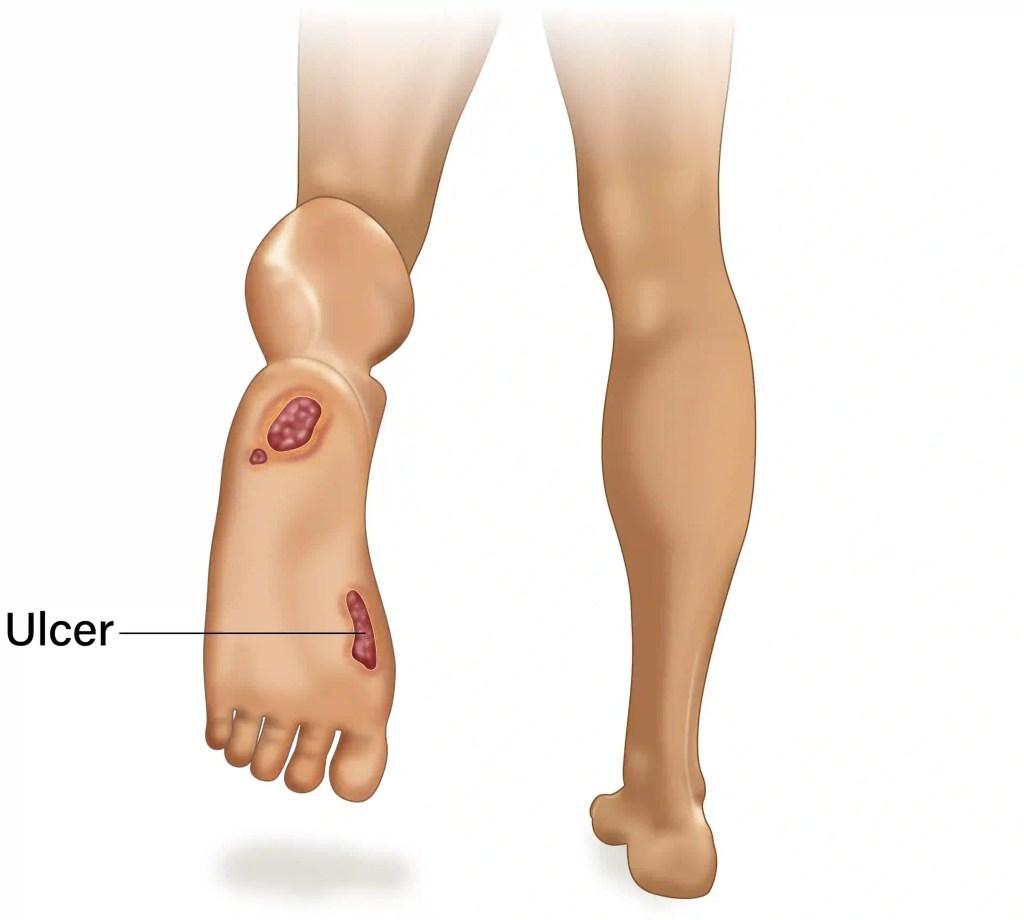
    Diabetic foot

    Why Diabetic Foot Problems Happen

    Over time, high blood sugar levels can cause two major problems:

    • Peripheral Neuropathy: Nerve damage in the feet, leading to numbness or loss of sensation.
    • Poor Circulation: Narrowed arteries reduce blood flow, making it harder for wounds to heal.

    This dangerous combination means that a small injury can go unnoticed—and untreated—leading to severe infections.

    🔗 Learn more from Cleveland Clinic – Diabetic Foot Problems

    Learn about diabetic foot care at our Dubai clinic


    Warning Signs You Should Never Ignore

    • Cuts, sores, or blisters that are slow to heal
    • Changes in skin color or temperature
    • Swelling in the foot or ankle
    • Red streaks or signs of infection
    • Pain while walking

    If you notice any of these signs, it’s important to seek medical attention immediately.


    Simple Ways to Protect Your Feet

    Inspect your feet daily – Check for cuts, blisters, redness, or swelling.
    Wash and moisturize – Keep your feet clean and hydrated (avoid lotion between toes).
    Trim toenails carefully – Cut straight across to prevent ingrown nails.
    Choose proper footwear – Wear supportive, properly fitted shoes and never walk barefoot.
    Control your blood sugar – Tight blood sugar control protects both nerves and arteries.


    When to See a Specialist

    If you have diabetes—even without obvious foot problems—you should schedule regular vascular foot exams. Early detection of circulation issues or nerve damage can prevent serious complications.

    📍 Book your diabetic foot consultation in Dubai


    FAQs

    Q1: Can I feel foot injuries if I have diabetic neuropathy?
    Not always. Many individuals with diabetic neuropathy experience reduced sensation, meaning they might not feel injuries, burns, or infections until they worsen.

    Q2: Is poor circulation in diabetes reversible?
    While damage cannot be completely reversed, treatments like angioplasty can improve blood flow, support healing, and reduce amputation risk.

    Explore angioplasty and arterial treatments

    Q3: How often should people with diabetes check their feet?
    Daily self-inspection is critical. Patients should also have their feet checked at least once a year by a specialist—or more frequently if they have any risk factors or existing foot problems.


    Final Thoughts

    Your feet carry you through life. Don’t let diabetes steal your independence. With simple daily habits and expert care, you can stay healthy, mobile, and avoid serious complications.

    📞 Schedule your consultation today with Dr. Soroush Sohrabi, consultant vascular surgeon in Dubai.


  • The Hidden Danger: How Peripheral Artery Disease Increases Your Risk of Heart Attack and Stroke

    Peripheral Artery Disease (PAD) is often thought of as a condition that only affects the legs—but the truth is far more serious. PAD is not just a localized circulation issue; it’s a warning sign of widespread arterial disease. Individuals with PAD face a significantly higher risk of both heart attack and stroke.

    Understanding this connection is essential—not just for managing leg symptoms, but for protecting your life.

    Carotid artery disease can lead to stroke in patients with PAD

    PAD Is a Red Flag for Systemic Atherosclerosis

    PAD occurs when fatty deposits (plaques) narrow the arteries in the legs, limiting blood flow. But the same atherosclerotic process usually affects arteries throughout the body—including those supplying the heart and brain.

    If you have PAD, there’s a 70% chance you also have coronary or cerebrovascular disease, even if you don’t have symptoms yet.

    🔗 Trusted Reference – Mayo Clinic on PAD and cardiovascular risk


    The Link Between PAD, Heart Attack, and Stroke

    PAD is considered a cardiovascular risk equivalent—meaning your likelihood of having a heart attack or stroke is similar to someone who already has heart disease.

    Here’s how PAD contributes to cardiovascular events:

    • Plaque instability in one artery often signals similar instability elsewhere
    • Reduced circulation affects oxygen delivery to vital organs
    • Inflammation and endothelial damage from PAD promote clot formation
    • Coexisting risk factors like diabetes, hypertension, and smoking multiply the danger

    Alarming Statistics

    the statistics from a publication on Mayo clinic website are truly alarming


    Warning Signs You Shouldn’t Ignore

    While PAD often causes leg symptoms, the underlying cardiovascular risk can be silent. Be alert to:

    • Chest pain or pressure
    • Shortness of breath
    • Leg pain while walking (claudication)
    • Numbness or weakness in arms or legs
    • Transient vision loss or slurred speech

    How to Reduce Your Risk

    1. Get Diagnosed Early

    If you have risk factors—age over 50, diabetes, smoking history, or high cholesterol—schedule a vascular screening. We use Doppler ultrasound and ABI testing for early PAD detection.


    2. Control Underlying Conditions

    Managing high blood pressure, cholesterol, and blood sugar levels significantly reduces your cardiovascular risk.


    3. Adopt Lifestyle Changes

    • Quit smoking
    • Follow a heart-healthy diet
    • Exercise regularly
    • Maintain a healthy weight

    4. Medical & Surgical Options

    In advanced PAD, angioplasty, stenting, or bypass surgery may be required to restore circulation and reduce heart stress.

    Explore arterial treatments


    FAQs

    Q1: Why does PAD increase the risk of stroke?
    PAD reflects widespread arterial damage, including in the neck (carotid arteries). If plaques travel to the brain or cause clots, stroke can result.

    Q2: Should all PAD patients take blood thinners?
    Your doctor may prescribe antiplatelet therapy like aspirin or clopidogrel to reduce clot risk, depending on your overall cardiovascular profile.

    Q3: Can treating PAD reduce my heart attack risk?
    Yes. By addressing the underlying vascular disease and modifying risk factors, you not only improve leg symptoms but dramatically lower your risk of heart-related events.


    When to See a Vascular Specialist in Dubai

    If you’ve been diagnosed with PAD—or have symptoms like leg pain or cold feet—don’t delay evaluation. Treating PAD is not just about improving mobility—it’s about preventing life-threatening events.

    📞 Book your consultation with Dr. Soroush Sohrabi, consultant vascular and endovascular surgeon in Dubai or visit vascular-surgeon.ae.

  • Understanding the Risk Factors of Peripheral Artery Disease (PAD)

    Peripheral Artery Disease (PAD) is a common yet often underdiagnosed vascular condition caused by narrowed arteries that reduce blood flow to the limbs. Identifying risk factors early is key to preventing serious complications like limb loss, heart attack, or stroke.

    At our Dubai vascular clinic, we focus on early detection and tailored treatment plans to protect your vascular health.


    What Is PAD?

    PAD occurs when plaque (fat and cholesterol) builds up in the arteries, most often in the legs, limiting blood flow. This leads to symptoms such as:

    • Leg pain while walking (claudication)
    • Numbness or weakness
    • Cold feet or legs
    • Slow-healing wounds on the feet or toes

    🔗 Read more about PAD – Mayo Clinic


    Major Risk Factors of PAD

    1. Smoking

    The most preventable risk factor—damages arteries and reduces blood flow.

    2. Diabetes

    Increases the risk of both PAD and diabetic foot complications.

    3. High Blood Pressure

    Weakens arterial walls and promotes narrowing.

    4. High Cholesterol

    Elevated LDL contributes to plaque buildup in the arteries.

    5. Age Over 50

    PAD risk rises significantly after age 50.

    6. Family History

    Genetic predisposition plays a major role.

    7. Lack of Exercise

    Physical inactivity contributes to several PAD risk factors.

    8. Obesity

    Often linked with diabetes and metabolic syndrome.

    9. Kidney Disease

    Impaired kidney function increases PAD risk and severity.


    When to See a Vascular Specialist

    If you experience leg cramps, walking difficulty, or persistent foot wounds, consult a vascular expert. Early diagnosis and proper treatment can prevent severe outcomes such as amputation or stroke.

    📍 Schedule your consultation in Dubai


    How PAD Is Diagnosed

    We provide:

    • Doppler Ultrasound
    • Ankle-Brachial Index (ABI) testing
    • CT or MR Angiography for advanced imaging

    Learn more about vascular treatments in Dubai


    FAQs

    Q1: Can PAD be reversed?
    While plaque buildup cannot be completely reversed, lifestyle changes, medications, and minimally invasive procedures can significantly slow progression and relieve symptoms.

    Q2: Is PAD only a leg problem?
    No. PAD is a systemic condition linked to heart disease and stroke. If you have PAD, your risk of cardiovascular events is also elevated.

    Q3: Does PAD always require surgery?
    Not always. Many patients benefit from conservative management, but those with severe narrowing or ulcers may require procedures like angioplasty or stenting.


    Final Thoughts

    PAD is a serious but manageable condition when detected early. If you have one or more risk factors, don’t delay evaluation. Protect your circulation—your limbs and life may depend on it.

    📞 Book your consultation today with Dr. Soroush Sohrabi, consultant vascular surgeon in Dubai.

  • Understanding Lipedema: The Often Misdiagnosed Fat Disorder

    Introduction

    Lipedema is a chronic fat distribution disorder that primarily affects women and is often misunderstood or misdiagnosed. Characterized by a symmetrical buildup of fatty tissue—most commonly in the legs and sometimes the arms—it typically spares the hands and feet, which helps differentiate it from other conditions such as lymphoedema or general obesity. Early recognition is crucial to avoid complications and ensure appropriate management.

    Lipidema in the legs

    What Is Lipedema?

    Lipedema is not simply excess weight. It is a disorder of fat tissue that leads to painful, disproportionate fat accumulation. This fat is resistant to diet and exercise and with patients experiencing easy bruising.

    While the exact cause is unknown, lipedema has a strong hormonal and genetic component. It frequently appears or worsens during hormonal shifts such as puberty, pregnancy, or menopause, and tends to run in families.


    How Lipoedema Differs from Obesity and Lymphoedema

    • Lipoedema vs Obesity: Lipoedema fat is painful, bruises easily, and is disproportionate. Weight loss through diet and exercise rarely improves the affected areas.
    • Lipoedema vs Lymphoedema: Lipedema spares the hands and feet, while lymphoedema often involves swelling of the extremities. In later stages, however, lipoedema can lead to lipo-lymphedema, where lymphatic flow is impaired, resulting in swelling of the feet and ankles.

    Associated Vascular Complications

    As lipoedema progresses, the excessive fat can compromise venous return and lead to chronic venous insufficiency (CVI). Patients may develop:

    A Doppler ultrasound is typically performed to evaluate for venous reflux and differentiate from primary venous disorders.


    Diagnosis

    Accurate diagnosis involves:

    • Clinical history and physical examination
    • Venous Doppler ultrasound to exclude reflux
    • Lymphoscintigraphy (in selected cases) to assess lymphatic drainage

    Due to overlapping symptoms with other conditions, many cases are delayed or misdiagnosed.


    Treatment Options in Dubai

    Conservative Treatment:

    • Compression garments to support circulation and manage swelling
    • Manual lymphatic drainage (MLD)
    • Low-impact exercise such as swimming, walking, or cycling
    • Skin care and prevention of infections
    • Nutritional counseling to maintain a healthy weight and reduce inflammation

    Advanced Treatment:

    In selected cases, liposuction using tumescent or water-assisted techniques can offer long-term relief by removing diseased fat tissue. This may lead to improvements in:

    • Pain
    • Mobility
    • Quality of life

    When to See a Specialist

    If you notice persistent, painful fat accumulation in your legs or arms that doesn’t improve with weight loss—and especially if your hands and feet remain unaffected—it’s time to consult a vascular or lymphatic specialist.

    Patients have access to a number of vein treatment options in Dubai for the treatment of venous insufficiency if it is present alongside lymphedema.

    📍 Book your consultation in Dubai for an accurate assessment.


    Trusted Source

    🔗 Mayo Clinic – Lipoedema Overview


    Check our vein FAQ on lipidema for further information on the difference between leg edema and lipidema.

    FAQs

    Q1: Is lipedema the same as obesity?
    No. Lipedema involves abnormal fat that doesn’t respond to traditional weight loss and is often painful.

    Q2: Can lipedema cause varicose veins?
    Yes. Patients with Lipidema can have venous insufficiency and varicose veins

    Q3: Is liposuction a cure for lipedema?
    Liposuction can significantly improve symptoms but is not a cure. It should be combined with conservative measures for best results.

  • What patients are asking in Dubai, Face vs. Leg Spider Veins: What’s the Difference?

    Spider veins can show up in surprising places—including your legs and even your face. While they might look similar, the causes, treatments, and implications can vary quite a bit depending on their location.


    Key Takeaways

    • Facial spider veins often result from sun damage or skin trauma.
    • Leg spider veins are usually linked to venous insufficiency.
    • Treatment varies depending on vein location, skin sensitivity, and underlying causes.

    What Are Spider Veins?

    Spider veins are tiny, dilated blood vessels near the surface of the skin. They appear as red, blue, or purple webs or branches—hence the name “spider veins.” You can read more about what causes spider veins here.

    Leg Spider Veins

    Spider Veins on the Face

    Facial spider veins—commonly found on the cheeks, nose, or chin—are typically caused by:

    • Sun exposure
    • Injury or trauma
    • Frequent use of topical steroids
    • Genetics

    They’re also known as telangiectasias and are usually a cosmetic issue, not a sign of deeper vein problems.


    Spider Veins on the Legs

    In contrast, leg spider veins often develop due to:

    • Venous insufficiency
    • Pregnancy
    • Prolonged standing
    • Hormonal changes
    • Obesity

    These are often related to poor circulation and can sometimes indicate underlying varicose veins or chronic venous disease. Learn more about venous insufficiency here.


    Treatment Options in Dubai

    • Facial spider veins are best treated with vascular lasers or Intense Pulsed Light (IPL).
    • Leg spider veins may require sclerotherapy, laser therapy, or compression stockings.

    For sensitive facial areas, we use gentle laser settings with cooling technology to reduce discomfort.

    For a personalised plan for sclerotherapy Dubai check Dubai Vein Specialist.


    Can Spider Veins Be Prevented?

    While some risk factors like genetics and aging are unavoidable, you can reduce the chance of spider veins by:

    • Wearing sun protection on your face
    • Avoiding prolonged standing
    • Using compression stockings for leg support
    • Managing rosacea or skin inflammation properly

    When to Seek Medical Advice

    If you notice spider veins suddenly appearing, especially on your legs, or if you have aching or heaviness or leg swelling, you might benefit from a vascular evaluation. Book vein assessment in Dubai here.


    Trusted Source


    FAQs

    1. Are facial spider veins dangerous?
    No, spider veins on the face are typically harmless and mostly cosmetic. However, they may be linked to conditions like rosacea or chronic sun damage and can be treated with non-invasive laser options.

    2. Can spider veins on the legs turn into varicose veins?
    Spider veins and varicose veins are related but not the same. Spider veins may be a sign of underlying venous insufficiency, which can lead to varicose veins over time if left untreated.

    3. Is the treatment for spider veins on the face painful?
    Facial spider vein treatments, especially with modern vascular lasers, are usually well tolerated. Most patients describe it as a mild tingling or snapping sensation, and numbing options are available for added comfort.


    Read more on Leg Swelling and varicose veins

  • Varicose veins Dubai – Leg Swelling and Venous Insufficiency: What You Need to Know

    Introduction

    Persistent leg swelling is a common complaint in adults, especially in warmer climates like Dubai. While it may be caused by a variety of conditions, one of the most frequent and often overlooked causes is chronic venous insufficiency (CVI). This condition develops when the veins in your legs struggle to return blood to the heart, causing fluid buildup and visible swelling.

    Understanding the connection between venous insufficiency and leg swelling is crucial for both diagnosis and treatment. In this blog, we explore the symptoms, causes, and effective solutions available for patients with varicose vein in dubai.

    🔗 Read more from Cleveland Clinic

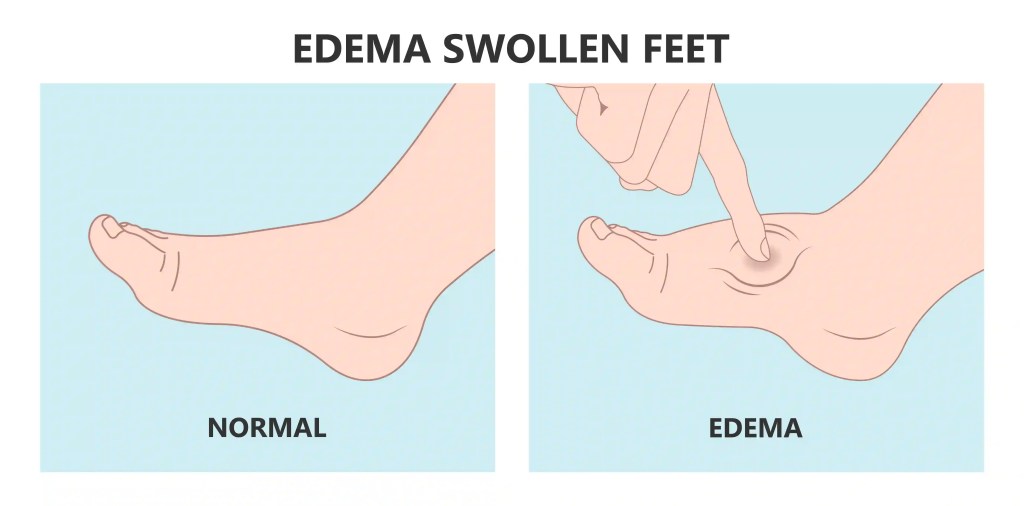
    Leg edema or swelling

    What Is Venous Insufficiency?

    Venous insufficiency occurs when the valves in your leg veins become weak or damaged. These valves are responsible for keeping blood moving toward the heart. When they fail, blood can pool in the legs, leading to pressure buildup, swelling, and a variety of uncomfortable symptoms.

    This condition can lead to more serious complications if left untreated, such as skin discoloration, varicose veins Dubai, venous eczema, or even ulcers.


    Common Symptoms of CVI

    • Swelling in one or both legs (especially around the ankles)
    • Heaviness or tiredness in the legs
    • Itching or skin irritation
    • Varicose or spider veins
    • Pain that worsens after standing for long periods
    • Skin changes such as discoloration or thickening

    Why Does It Cause Swelling?

    When blood collects in the veins, pressure builds up and pushes fluid into surrounding tissues. This results in pitting edema—a type of swelling where pressing the skin leaves an indentation. Over time, this can lead to discomfort, difficulty walking, and skin breakdown if not addressed.


    Who Is at Risk?

    Certain individuals are more likely to develop venous insufficiency and leg swelling, including:

    • People over age 50
    • Pregnant women
    • Individuals with a family history of vein problems
    • Those who sit or stand for extended periods
    • People with obesity or a sedentary lifestyle

    Diagnosis and Evaluation

    If you’re experiencing leg swelling in Dubai, a thorough clinical assessment is essential. Doppler ultrasound is the gold standard for evaluating vein function and diagnosing CVI.


    Treatment Options in Dubai

    At Dubai Vein Specialist, we offer a full range of varicose vein treatment Dubai for leg swelling caused by venous insufficiency:

    • Compression therapy – First-line conservative treatment
    • Endovenous Laser Ablation (EVLA) – Minimally invasive, image-guided solution
    • Radiofrequency Ablation (RFA)
    • ClariVein – Non-thermal, gentle technique
    • Foam sclerotherapy

    Prevention Tips

    To minimize your risk of venous insufficiency and reduce leg swelling:

    • Avoid standing or sitting too long
    • Elevate your legs during rest
    • Wear compression stockings if advised
    • Maintain a healthy weight
    • Stay active with walking or swimming

    Frequently Asked Questions (FAQs)

    Q1: Can venous insufficiency go away on its own?
    A: No, venous insufficiency typically worsens over time if left untreated. Early management through lifestyle changes and medical treatments can significantly reduce symptoms and prevent complications.


    Q2: Is leg swelling always a sign of a vein problem?
    A: Not always. While venous insufficiency is a common cause, swelling can also result from lymphatic issues, heart conditions, kidney disease, or medications.


    Q3: Do I need surgery for venous insufficiency?
    A: Not necessarily. Many patients respond well to non-surgical treatments like compression therapy. A vascular specialist will recommend the most suitable approach based on your condition.


    When to See a Vascular Specialist

    If leg swelling is persistent, painful, or accompanied by skin changes, it’s time to consult a vascular expert. Early intervention leads to better outcomes and prevents long-term complications.


    Final Thoughts

    Leg swelling shouldn’t be ignored, especially when linked to venous insufficiency. Fortunately, effective treatments and diagnostic tools are available in Dubai. With early assessment and the right care plan, you can regain comfort, improve circulation, and reduce your risk of serious vein-related issues.

  • Understanding the Side Effects of Sclerotherapy for Spider Veins Treatment Dubai

    Is Sclerotherapy Safe for Spider Vein Treatment in Dubai?

    Sclerotherapy is widely used treatments for spider veins, especially in the legs and ankles. It involves injecting a specialized solution into small surface veins, causing them to collapse and eventually fade from view. But like any medical procedure, sclerotherapy can come with a few side effects. Most are mild and temporary, but understanding them can help you prepare—and feel confident—before treatment.

    In this article, we’ll cover the common, uncommon, and rare side effects of sclerotherapy, so you can make an informed decision before your appointment in Dubai.

    🔗 Trusted overview from Cleveland Clinic

    Leg spider vein sclerotherapy

    Common Side Effects (Mild & Temporary)

    These effects are expected and typically resolve within a few days to a few weeks:

    • Bruising – May appear at the injection site and fade naturally
    • Redness or irritation – Mild inflammation is normal and usually subsides quickly
    • Itching – The treated area may feel itchy for a few hours post-procedure
    • Skin discoloration – Temporary brownish pigmentation may develop in some patients
    • Small blood clots – Trapped blood may form minor lumps under the skin that dissolve over time

    👉 Learn more about sclerotherapy in Dubai


    Less Common Side Effects

    These are infrequent and might need medical attention or repeat procedures

    • Allergic reactions – Rare, but possible. In severe cases will need urgent medical attention
    • Matting – The appearance of very fine, red veins near the treated area
    • Ulceration – Skin breakdown or wound formation near injection site

    What to Do if You Experience Side Effects

    • Always seek medical advice from your healthcare professional
    • Most side effects are self-limiting
    • Apply cold compresses and elevate legs
    • Wear compression stockings as instructed
    • Contact your specialist if you notice prolonged pain, swelling, or discoloration


    Why Choose an Expert in Dubai for Sclerotherapy?

    Dr. Soroush Sohrabi is a UK-trained vascular surgeon who specializes in minimally invasive vein procedures. At his Dubai vein clinic, patients receive:

    • Detailed Doppler ultrasound mapping
    • Customized treatment plans

    👉 Meet Dr. Sohrabi


    Final Thoughts

    Sclerotherapy is a proven and well-tolerated treatment for spider veins. Understanding potential side effects helps you feel confident and prepared.

    📞 Book your consultation today and enjoy smoother, clearer legs in Dubai.