Have you noticed a painful, red, or swollen vein on your leg or arm? It might not just be a surface irritation — it could be thrombophlebitis, a condition that combines vein inflammation with clot formation. While often overlooked, untreated thrombophlebitis can lead to more serious complications if ignored.
In this blog, we’ll explore what thrombophlebitis is, what causes it, how it’s diagnosed, and the treatment options available at our vascular clinics in Dubai.
What Is Thrombophlebitis?
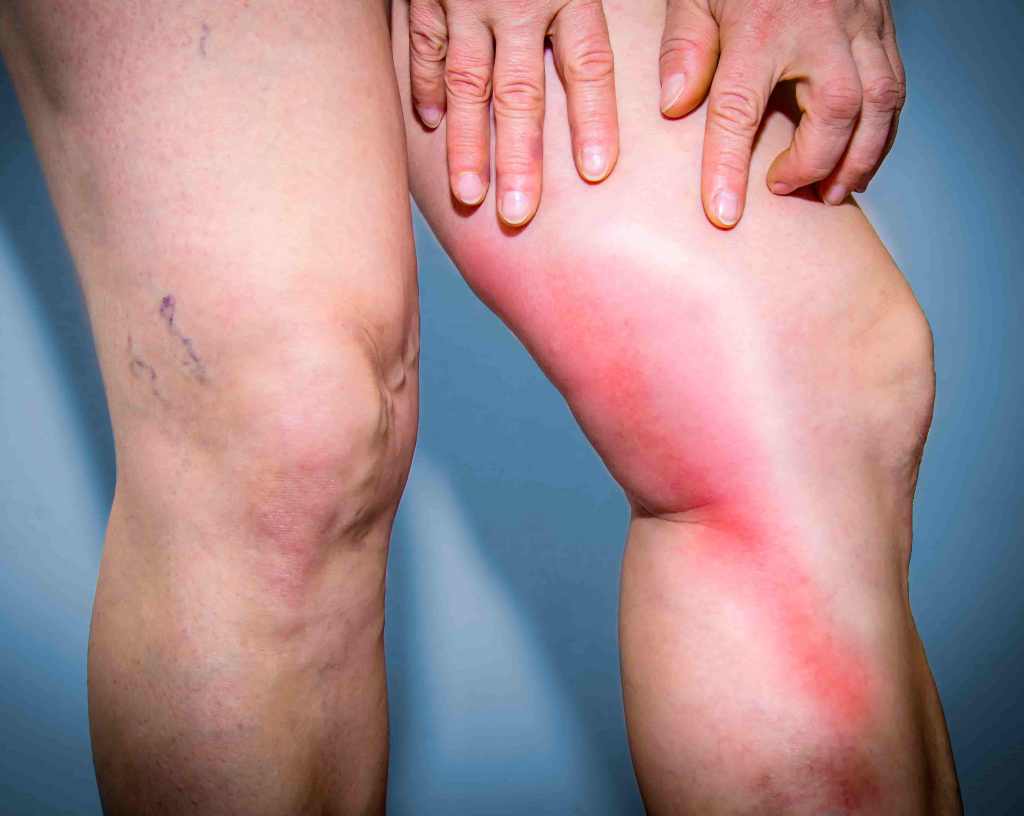
Thrombophlebitis is the medical term for inflammation of a vein that is also associated with the formation of a blood clot. It typically affects superficial veins (those near the surface of the skin), leading to a form known as superficial thrombophlebitis. In some cases, it may also involve deeper veins, which requires closer evaluation to rule out deep vein thrombosis (DVT).
What’s the Difference Between Phlebitis and Thrombophlebitis?
While they sound similar, there’s a key difference:
- Phlebitis means inflammation of a vein.
- Thrombophlebitis means the inflammation is accompanied by a blood clot.
When the affected vein is superficial, the condition is typically less dangerous than DVT, but still needs medical attention to avoid spread or complications.
Superficial Thrombophlebitis vs. Deep Vein Thrombosis (DVT)
Superficial thrombophlebitis affects veins near the skin’s surface. Although it’s usually not life-threatening, it can cause significant discomfort, and in rare cases, the clot may extend into a deeper vein.
By contrast, deep vein thrombosis affects larger veins deep within the body, often in the legs. DVT poses a serious risk of pulmonary embolism if part of the clot breaks off and travels to the lungs. This is why proper diagnosis is crucial.
If you’re experiencing leg pain and visible swelling, don’t assume it’s minor. A quick Doppler ultrasound can clarify whether the issue is superficial or deep.
Symptoms of Superficial Thrombophlebitis
Symptoms usually appear suddenly and are localized to the area of the affected vein. These include:
- Redness and warmth over the skin
- Pain or tenderness along the vein
- A hard, cord-like feeling under the skin
- Localised swelling
- Skin sensitivity in the area
Although superficial thrombophlebitis is generally not life-threatening, the symptoms can interfere with daily activity and quality of life if untreated.
What Causes Thrombophlebitis?
The condition usually results from injury, inflammation, or impaired circulation in the veins. Common triggers include:
1. Varicose Veins
Damaged or enlarged veins cause slow blood flow and increase clotting risk.
2. Prolonged Immobility
Extended periods of sitting or lying down (post-surgery, travel, hospital stays) can cause blood to pool in the legs, leading to clot formation.
3. Vein Injury
Intravenous lines, trauma, or even repetitive strain (e.g., from exercise or injections) can irritate the vein lining.
4. Hormonal Factors
Pregnancy, oral contraceptives, and hormone replacement therapy all increase blood coagulability.
5. Smoking and Obesity
Both reduce circulation and increase systemic inflammation, raising your clotting risk.
6. Chronic Medical Conditions
Cancer, autoimmune diseases, and clotting disorders like Factor V Leiden mutation can make you more prone to venous inflammation and thrombosis.
Risk Factors to Be Aware Of
Here’s a consolidated list of risk factors:
- Prolonged bed rest or long flights
- Varicose veins or chronic venous insufficiency
- Recent surgery or catheter use
- Pregnancy or hormone therapy
- Smoking or being overweight
- Cancer and inflammatory conditions
- Age over 50
- Family or personal history of blood clots
Knowing these risk factors helps with both prevention and early detection.
How Is Thrombophlebitis Diagnosed?
At Dubai Vein Specialist, diagnosis typically includes:
🩺 Clinical Examination
A vascular surgeon will assess redness, swelling, skin changes, and tenderness along the vein. We’ll also ask about recent immobility, IV use, or underlying varicose veins.
Doppler Ultrasound
This non-invasive scan uses sound waves to identify clots and check blood flow. It distinguishes between superficial and deep vein clots, helping to rule out DVT.
Blood Tests (If Needed)
A D-dimer test may be used if DVT is suspected, although it’s not usually required for superficial thrombophlebitis.
How Do We Treat Superficial Thrombophlebitis in Dubai?
Treatment focuses on reducing inflammation, relieving symptoms, and preventing clot extension. Depending on your case, we may recommend:
🧦 Compression Stockings
These improve circulation and reduce swelling.
💊 Anti-Inflammatory Medications
NSAIDs such as ibuprofen can reduce pain and inflammation.
🦵 Leg Elevation
Raising your leg encourages venous return and reduces swelling.
♨️ Warm Compresses
Applied to the area, warm compresses can help alleviate pain and improve blood flow.
🚶♂️ Staying Active
Light walking promotes circulation and prevents clot progression.
Treating the Root Cause: Varicose Vein Treatment
In many cases, thrombophlebitis in the legs is linked to untreated varicose veins. Addressing these underlying issues can prevent recurrence.
In Dubai We offer:
- ClariVein® mechanochemical ablation
- Endovenous Laser Ablation (EVLA)
- Radiofrequency Ablation (RFA)
- Foam Sclerotherapy
Each option is minimally invasive and tailored to your condition.
Read more about the symptoms of Varicose Veins and Venous Insufficiency
When to See a Vascular Surgeon
You should seek expert care if:
- Pain or swelling doesn’t improve in a few days
- The redness or warmth is spreading
- You have varicose veins with persistent tenderness
- You’ve previously had DVT or thrombophlebitis
A quick ultrasound and vascular consultation can prevent unnecessary complications and offer lasting relief.
Expert Vascular Care for Thrombophlebitis in Dubai
At Dr. Soroush Sohrabi’s Vascular Clinics in Dubai, we combine diagnostic precision with personalized treatment plans for every patient. Whether your thrombophlebitis is linked to varicose veins or post-surgical recovery, we’re here to help you get back to comfortable, confident living. You can learn more about varicose vein treatments available in Dubai using
If you’re experiencing symptoms, book your consultation today — early action makes all the difference.
📌 FAQs
Q: Is superficial thrombophlebitis dangerous?
A: It’s usually not life-threatening but can become serious if ignored. It may also indicate underlying vein issues like varicose veins.
Q: Can I treat it at home?
A: While warm compresses and compression stockings help, you should always have it evaluated by a specialist to rule out deeper complications.
Q: How long does it take to heal?
A: With proper treatment, most cases improve within 2–3 weeks. Persistent cases may need vein treatment to prevent recurrence.

Leave a Reply
You must be logged in to post a comment.