A Non-Invasive, Proven Support for Healthier Veins
When it comes to treating varicose veins, not every solution has to involve surgery or lasers. For many patients in Dubai, compression therapy offers a gentle, effective way to relieve symptoms, improve circulation, and prevent vein conditions from progressing.
Whether you’re in the early stages of varicose veins or recovering from a minimally invasive procedure, compression stockings can play a major role in supporting long-term vein health and improve your symptoms if you are planning for varicose vein treatment Dubai.
It is important to to remember that compression therapy and compression socks “do not” cure varicose veins but they can help with symptomatic relief.
What Are Varicose Veins?
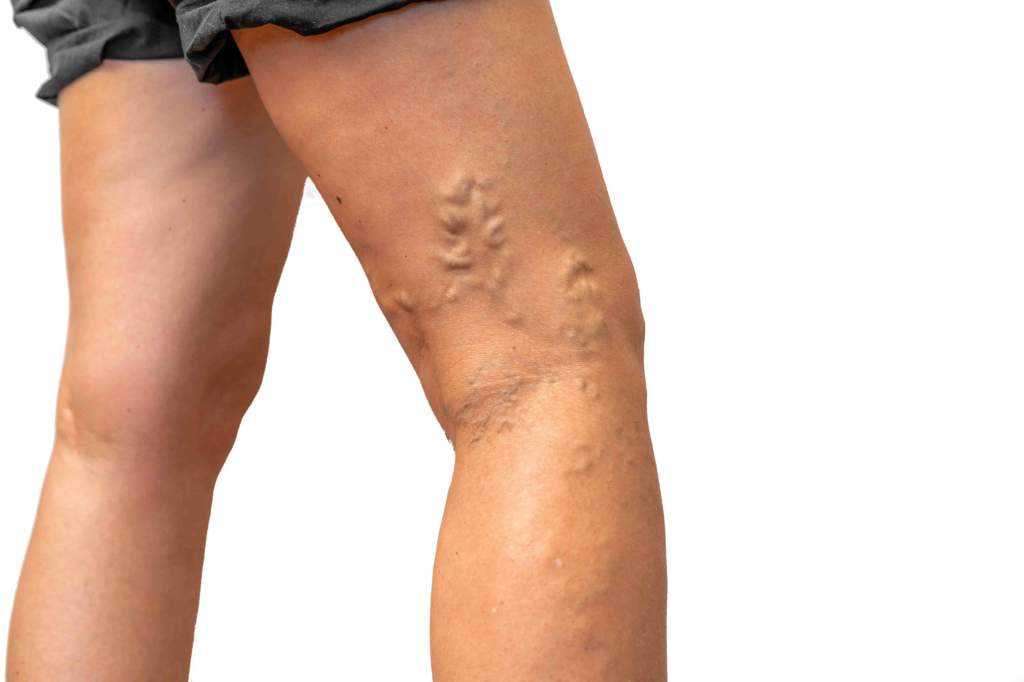
Varicose veins are enlarged, twisted veins that usually appear in the legs and feet. They’re caused by faulty one-way valves inside your veins that allow blood to flow backward and pool. Over time, this leads to visible bulging veins, aching, heaviness, and swelling.
Some patients may also have
- Skin changes (eczema, pigmentation)
- Leg ulcers
- Thrombophlebitis (vein inflammation)
Symptoms
Some of the most common symptoms of varicose veins include:
- Heaviness or aching in the legs
- Leg cramps, especially at night
- Swelling around the ankles or calves
- Visible bulging or twisted veins
- Itching, dryness, or eczema on the legs
- Tiredness or discomfort after standing
If you’re experiencing any of these signs, it’s time to seek advice from a vein specialist.
What Is Compression Therapy?
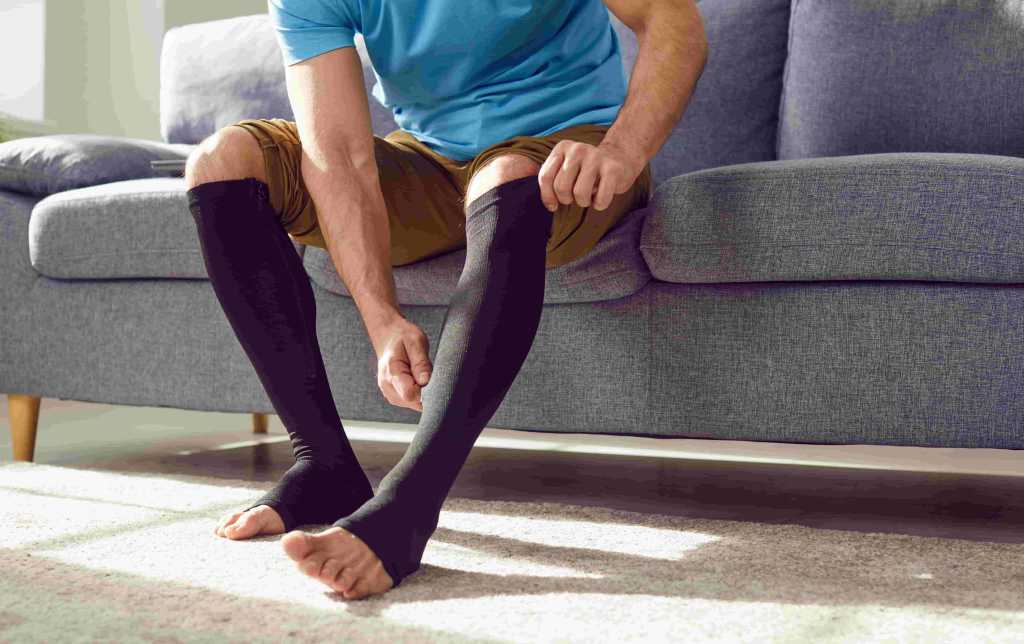
Compression therapy is a non-invasive treatment that involves wearing medical-grade compression stockings or bandages. These garments apply controlled pressure to your legs, helping your veins push blood back toward your heart more efficiently.
Unlike over-the-counter socks, medical compression stockings are specially designed to deliver graduated pressure—strongest at the ankle and gradually decreasing up the leg.
How Does Compression Therapy Work?
Compression therapy helps restore normal blood flow and prevents fluid buildup in the legs. Here’s what it does:
- Improves circulation: Assists weakened veins in returning blood to the heart
- Reduces swelling (edema): Reduces fluid buildup in tissues
- Prevents vein distention: Limits further damage to veins and valves
- Relieves discomfort: Reduces heaviness, tiredness, and leg cramps
- Supports healing: Enhances recovery after procedures like sclerotherapy or laser ablation
When Is Compression Therapy Recommended?
Compression therapy is commonly used in a range of vascular conditions, including:
- Varicose veins – Helps reduce swelling and improve comfort
- Chronic venous insufficiency (CVI) – Prevents progression of vein disease
- Post-treatment recovery – Used after procedures like EVLA, RFA, or ClariVein®
- Leg ulcers and venous wounds – Supports wound healing
- Deep vein thrombosis (DVT) – Lowers risk of clot formation during travel or immobility
Important Safety Considerations
Compression therapy is safe for most patients but must be prescribed after proper vascular assessment. It is not suitable for people with:
- Peripheral arterial disease (PAD)
- Skin infections or open wounds (without medical supervision)
Before recommending compression stockings, Dr. Soroush Sohrabi performs a comprehensive Doppler ultrasound to evaluate both venous and arterial circulation.
Types of Compression Stockings
There are different types and compression levels, depending on your vein condition and treatment plan:
- Class I (15–20 mmHg): Mild symptoms and early-stage varicose veins
- Class II (20–30 mmHg): Moderate symptoms, swelling, and venous reflux
- Class III (30–40 mmHg): More advanced cases or after ulcer healing
- Custom-fit garments: For unique leg shapes or lymphedema cases
At Dubai Vein Specialist, we help you choose the right class, size, and brand based on your individual needs and comfort.
Compression After Procedures – Why It Matters
Compression therapy isn’t just for managing varicose veins treatment Dubai— it also plays a role in recovery after procedures such as:
- Endovenous Laser Ablation (EVLA)
- Radiofrequency Ablation (RFA)
- ClariVein® MOCA
- Foam Sclerotherapy
Wearing compression stockings post-procedure helps:
- Reduce inflammation and swelling
- Support vein closure
- Minimize the risk of thrombosis
- Improve cosmetic results
👉 See post-treatment care
How Long Should You Wear Compression Stockings?
Wearing time depends on your treatment plan and condition severity:
- For symptom relief: 6–8 hours per day during daily activities
- After treatment: Daily wear for 1–2 weeks as prescribed
- For travel/DVT prevention: During long flights or extended sitting
Dr. Soroush Sohrabi will guide you on duration and daily routines to get the most benefit from your compression therapy.
Frequently Asked Questions
Q: Are compression stockings painful to wear?
A: No. While they may feel snug at first, properly fitted compression stockings should never be painful.
Q: Can I buy compression socks from a pharmacy?
A: Yes but for medical-grade results, it’s best to use physician-recommended products, fitted to your measurements and condition.
Q: Are compression garments safe during pregnancy?
A: Yes. In fact, they’re often prescribed to manage varicose veins during pregnancy. Always consult your doctor before use.
Why Choose Dr. Soroush Sohrabi in Dubai?
At Dubai Vein Specialist, Dr. Soroush Sohrabi brings UK-accredited training, decades of vascular expertise, and the latest diagnostic tools to every patient. He is widely regarded as one of Dubai’s most trusted vein specialists, offering non-surgical options like compression therapy alongside advanced interventions.
Your care begins with a detailed Doppler ultrasound, and every recommendation—from stockings to surgery—is tailored to your anatomy, goals, and lifestyle.
Final Thoughts
Compression therapy is a proven and powerful tool in managing varicose veins. Whether used on its own or as part of a broader treatment plan, it improves blood flow, reduces discomfort, and helps prevent complications. With the guidance of an expert, it’s a safe and simple way to stay active and protect your legs.

Leave a Reply
You must be logged in to post a comment.